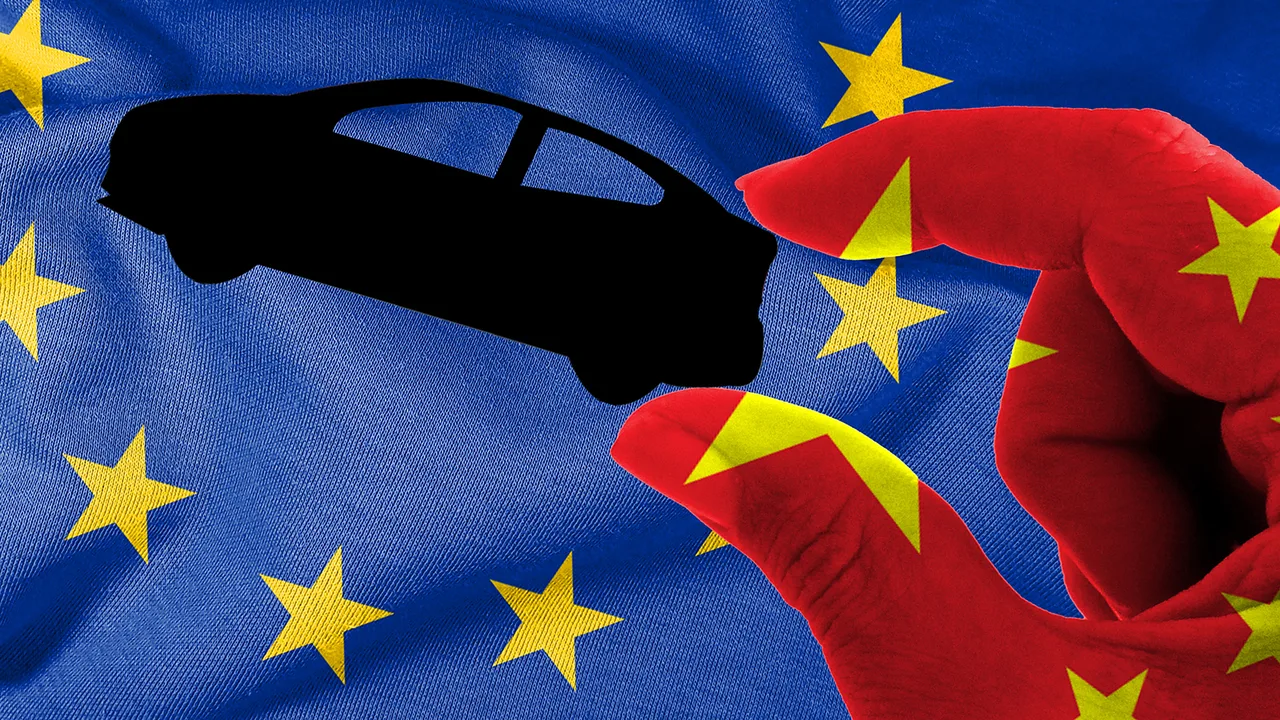
The European Union and China have reached a preliminary understanding on hybrid vehicle trade following extensive negotiations in Beijing. The development could mark an important step toward easing tensions between the two major trading partners.
China’s Ministry of Commerce announced the breakthrough on Friday, although officials provided limited details about the agreement’s scope.
According to the ministry, the understanding complies with World Trade Organization (WTO) rules. Both sides also plan to continue negotiations on vehicle pricing commitments and regulatory reviews related to the EU’s investigation into Chinese electric vehicles.
China and EU Make Progress on Hybrid Vehicle Trade
The latest negotiations come amid growing concerns in Europe about the increasing presence of Chinese-made vehicles in the region’s automotive market.
Before the Beijing meetings, reports suggested that European officials were considering import quotas targeting Chinese hybrid vehicles.
Previously, Brussels had urged Beijing to voluntarily limit hybrid car exports to the European Union.
EU authorities also warned that additional protective measures, including import restrictions, could become necessary if China failed to address European concerns.
However, the latest understanding suggests that both sides remain willing to pursue a negotiated solution rather than immediately introduce new trade barriers.
EU Trade Commissioner Maros Sefcovic participated in discussions with Chinese Commerce Minister Wang Wentao and Vice-Premier He Lifeng.
Sefcovic is expected to brief European Union leaders on the outcome of the negotiations next week.
EU-China Trade Tensions Intensify Over Economic Imbalances
Despite the apparent progress on hybrid vehicle trade, broader economic disagreements between China and the European Union remain unresolved.
European policymakers have increasingly expressed concerns about the growing imbalance in bilateral trade.
In September, European Commission President Ursula von der Leyen highlighted the scale of the EU’s goods trade deficit with China.
She noted that the imbalance had reached approximately €1 billion per day in 2025, describing the situation as a critical turning point in Europe’s economic relationship with Beijing.
Von der Leyen also indicated that the European Commission was prepared to use available trade policy measures to address these disparities.
The comments reflected growing European concerns about industrial competition, Chinese manufacturing capacity, and unequal access to international markets.
France and Germany Push for Stronger Trade Protections
French President Emmanuel Macron and German Chancellor Friedrich Merz have also advocated a tougher approach toward China.
Both leaders have proposed introducing a rapid-response trade mechanism that could restrict Chinese companies’ access to the European Union’s single market.
Such a measure could strengthen Brussels’ ability to respond to perceived unfair trading practices.
The proposals highlight increasing pressure from Europe’s largest economies to protect domestic industries and improve competitive conditions.
However, implementing major trade restrictions would require political coordination among EU member states.
Bank of America Warns of a Tougher European Trade Position
Benson Wu, Senior China Economist at Bank of America, believes the European Union is gradually adopting a more assertive approach toward Beijing.
In a research note to clients, Wu observed that European policymakers have become increasingly willing to challenge China over trade and economic disputes.
Nevertheless, he cautioned against interpreting recent statements from European Commission officials as evidence of an immediate policy shift.
According to Wu, Brussels has repeatedly expressed concerns about China’s industrial overcapacity and persistent trade imbalances.
Therefore, the latest remarks largely reflect established European policy priorities rather than entirely new demands.
Germany and France Signal Growing Economic Concerns
Wu identified the changing positions of Germany and France as particularly significant.
Under Chancellor Friedrich Merz and President Emmanuel Macron, the two countries have placed greater emphasis on economic security, industrial competitiveness, and fair access to foreign markets.
Their increasingly firm positions suggest that Europe’s two largest economies are becoming less willing to maintain existing trade arrangements with China.
This shift could have important consequences for future negotiations involving automotive manufacturing, industrial policy, and international investment.
However, stronger political rhetoric does not necessarily mean that immediate trade restrictions will follow.
Immediate EU Trade Restrictions Remain Unlikely
Despite mounting political pressure, Bank of America considers the probability of an immediate European trade restriction mechanism relatively low.
Wu explained that introducing major EU trade measures typically involves lengthy negotiations and agreement among member states.
As a result, new restrictions could take considerable time to develop and implement.
He also suggested that current discussions may serve primarily as a negotiating strategy.
By raising the possibility of tougher trade measures, Brussels could strengthen its position in negotiations with Beijing without immediately limiting Chinese access to the European market.
This approach would allow the EU to increase diplomatic pressure while preserving opportunities for compromise.
What the Hybrid Vehicle Understanding Means for EU-China Relations
The preliminary understanding on hybrid vehicle trade represents a potentially constructive development in an increasingly complicated economic relationship.
However, several important questions remain unanswered, including whether the negotiations will produce binding export limits or new pricing arrangements.
Further discussions concerning Chinese electric vehicles and EU trade investigations will also be important in determining the direction of bilateral relations.
For European automakers and Chinese vehicle manufacturers, future policy decisions could influence market access, competitive conditions, and long-term investment strategies.
Meanwhile, investors will closely watch whether Brussels and Beijing can transform the latest diplomatic progress into a more comprehensive trade settlement.
Although immediate restrictions appear unlikely, persistent disagreements over trade deficits, industrial competition, and market access suggest that EU-China economic tensions could continue.