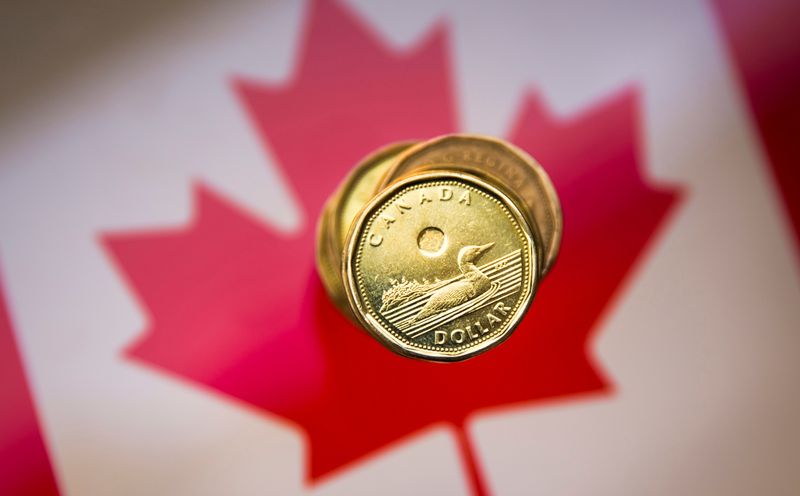
The Canadian dollar gained ground against its US counterpart on Tuesday as the greenback pulled back from an 18-month high. Falling US Treasury yields and lower oil prices helped ease inflation concerns, while investors reassessed the outlook for interest rates.
USD/CAD Declines as US Dollar Loses Momentum
The USD/CAD currency pair fell 0.16% to C$1.4258, according to Investing.com. The pair opened at C$1.4280 and traded within a range of C$1.4256 to C$1.4283. As a result, the Canadian dollar was on track to record a modest gain during early trading.
The US dollar weakened alongside declining Treasury yields and crude oil prices. Meanwhile, investors evaluated the possibility of easing geopolitical tensions, which could further influence global financial markets.
Attention has also shifted toward Wednesday’s US inflation report. The upcoming figures could provide fresh insight into the Federal Reserve’s next monetary policy decisions.
According to CME FedWatch data, traders now see an 80% probability that the Fed will leave interest rates unchanged at its October meeting. This represents a significant increase from the 51% probability recorded one month earlier.
How Oil Prices Affect the Canadian Dollar
Oil prices remain a major factor influencing the Canadian dollar because Canada is one of the world’s leading energy exporters.
When crude oil prices decline, expectations for Canadian export revenues often weaken. Consequently, the Canadian dollar may face selling pressure, even when the broader US dollar loses strength.
This relationship highlights the competing forces currently shaping USD/CAD movements. While declining US Treasury yields can support the loonie, weaker energy prices may limit its potential gains.
Canadian Dollar Outlook: Inflation and Interest Rates in Focus
Looking ahead, traders will closely monitor developments in global oil markets, upcoming US inflation figures, and changing interest-rate expectations.
The monetary policy outlooks of the Federal Reserve and the Bank of Canada will also remain important drivers of currency movements.
Ultimately, the balance between commodity prices, inflation expectations, and interest-rate differentials could determine the Canadian dollar’s near-term direction against the US dollar.