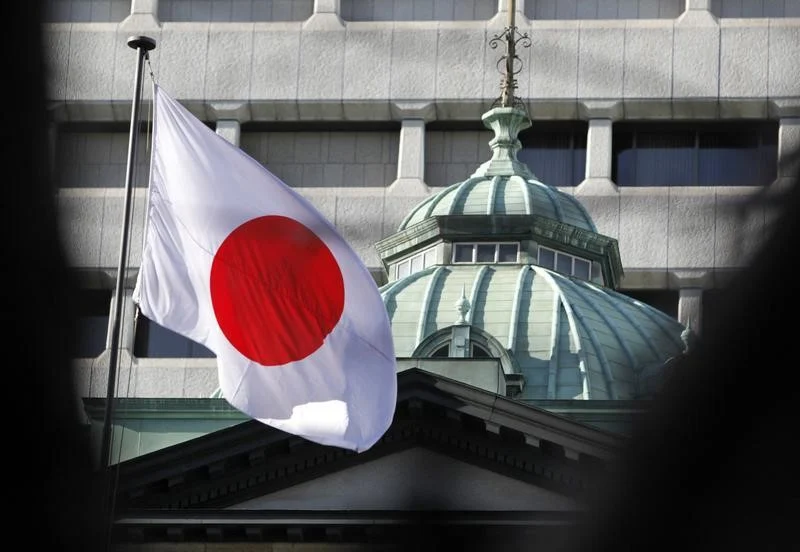
Bank of Japan Expected to Raise Rates by 25 Basis Points
The Bank of Japan is widely expected to raise interest rates when its two-day policy meeting concludes on June 16.
Markets anticipate a 25-basis-point increase, which would lift the BOJ’s benchmark rate to 1%. It would be the central bank’s first increase since its 25-basis-point move in December.
BOJ Meeting May Proceed Without Kazuo Ueda
The policy meeting is expected to take place without BOJ Governor Kazuo Ueda. He was hospitalized last week after developing an infection linked to a hepatic cyst.
The expected increase would push Japanese interest rates to their highest level since 1995. It would also represent the fourth rate hike since the BOJ ended its ultra-low interest-rate policy in 2024.
Energy Costs Increase Inflation Risks
Before his hospitalization, Ueda had signaled that a June rate hike was possible. His comments reflected growing concern that energy supply disruptions related to the Middle East conflict could intensify inflation.
Several BOJ board members have also supported tighter monetary policy during recent meetings. Their position has strengthened expectations for another rate increase.
ANZ analysts described the anticipated June move as a precautionary response to higher energy costs.
They argued that a rate increase is justified because underlying inflation remains persistently above the BOJ’s 2% target after excluding temporary institutional factors.
Government Subsidies Limit Consumer Inflation
Japanese consumer inflation has remained relatively moderate in recent months.
Government subsidies for electricity and fuel have helped protect households from the sharp increase in global energy prices.
However, producer inflation rose significantly in April and May. This has increased concerns that companies may eventually pass higher operating costs on to consumers.
Wage Growth Supports Further Rate Hikes
Strong wage increases following Japan’s spring wage negotiations have strengthened the case for tighter monetary policy.
The BOJ has repeatedly identified wage growth and inflation as its two most important considerations when setting interest rates.
Sustained wage gains could support consumer spending while allowing companies to raise prices. This would make inflation more persistent and increase pressure on the central bank to continue raising rates.
Weak Yen Could Trigger Hawkish BOJ Guidance
The Japanese yen has weakened significantly and returned to levels that previously triggered government intervention.
A softer currency makes imported goods, including energy, more expensive. Therefore, continued yen weakness could encourage the BOJ to adopt a more hawkish policy outlook.
The central bank has repeatedly warned about the inflationary effects of higher import costs caused by a weaker yen.
BOJ May Tighten Despite Slower Economic Growth
Japan’s economic growth has slowed in recent quarters amid pressure from the Middle East conflict and rising energy costs.
Nevertheless, ANZ analysts expect the BOJ to continue raising rates despite the weaker economic environment.
ANZ forecasts at least one additional interest-rate increase during the fourth quarter.
How Could USD/JPY React?
The USD/JPY exchange rate moved back above 160 yen ahead of the June policy meeting.
The pair measures how many yen are required to purchase one U.S. dollar. A higher reading therefore reflects a weaker Japanese currency.
The 160 level is widely viewed as an important threshold for possible government intervention. Earlier this year, Japanese authorities reportedly sold hundreds of billions of dollars to support the yen.
OCBC analysts said a significantly stronger yen would probably require more hawkish guidance from the BOJ.
Because markets have largely priced in a 25-basis-point increase, investors will focus on whether policymakers signal a faster pace of rate hikes in the months ahead.
How Could the Nikkei 225 React?
Japanese equities reached several record highs before the BOJ meeting.
Optimism surrounding a potential U.S.-Iran peace agreement and continued strength in technology shares supported the rally. Both the Nikkei 225 and TOPIX entered the meeting near record levels.
However, a more hawkish BOJ statement could trigger profit-taking in Japanese stocks.
Further interest-rate increases may weigh on technology companies and other economically sensitive sectors. In contrast, major Japanese banks and insurers could benefit from higher borrowing costs and improved profit margins.