Alibaba and JD.com Shares Fall After Beijing Targets Subsidy Promotions
Shares of Chinese e-commerce giants Alibaba and JD.com declined sharply on Thursday after Chinese regulators reportedly criticized several major online shopping platforms over concerns related to subsidy campaigns and promotional practices.
The regulatory action comes as Beijing intensifies efforts to address what officials describe as excessive and unsustainable competition within China’s rapidly growing e-commerce sector.
Chinese Regulators Summon Major E-Commerce Platforms
According to state broadcaster CCTV, the Beijing Municipal Administration for Market Regulation summoned representatives from five major online platforms, including Alibaba’s Taobao and Tmall, JD.com, Pinduoduo, Douyin, and Xiaohongshu.
The meeting was part of a broader campaign aimed at curbing what regulators called “involution-style” competition, a term often used to describe aggressive business practices that can undermine long-term industry stability.
Authorities reportedly raised concerns about misleading advertising, insufficient disclosure of promotional rules, and failures to properly identify product sellers on certain platforms.
Alibaba and JD.com Stocks Drop
Investor sentiment weakened following the report, sending shares of both companies lower.
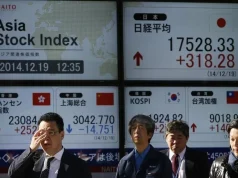
Alibaba’s Hong Kong-listed stock fell 6% to HK$106.80, reaching its lowest level since July 2025. JD.com shares also declined approximately 6%, falling to HK$105.60 during trading.
The declines reflected growing concerns that increased regulatory scrutiny could impact future promotional strategies and growth initiatives across China’s e-commerce industry.
Focus on “10 Billion Yuan Subsidy” Campaigns
Regulators reportedly scrutinized Alibaba’s widely advertised “10 billion yuan subsidy” program, arguing that it formed part of a broader long-term marketing strategy rather than a dedicated promotion linked specifically to the annual “618” shopping festival.
Authorities also claimed that the platform did not adequately disclose key campaign details and failed to provide sufficient information regarding subsidy expenditures and cost-sharing arrangements with merchants.
JD.com faced similar criticism regarding its own subsidy promotions. Regulators reportedly stated that campaign timelines, subsidy amounts, and funding structures were not clearly communicated to consumers and merchants.
Platforms Ordered to Address Compliance Issues
Chinese regulators have instructed the platforms to rectify the identified issues and improve transparency surrounding promotional campaigns.
Authorities warned that aggressive subsidy programs have the potential to distort market pricing, reduce merchant profitability, and increase risks for consumers.
The latest regulatory intervention highlights Beijing’s ongoing efforts to strengthen oversight of China’s technology sector while promoting fair competition and greater transparency across online marketplaces.