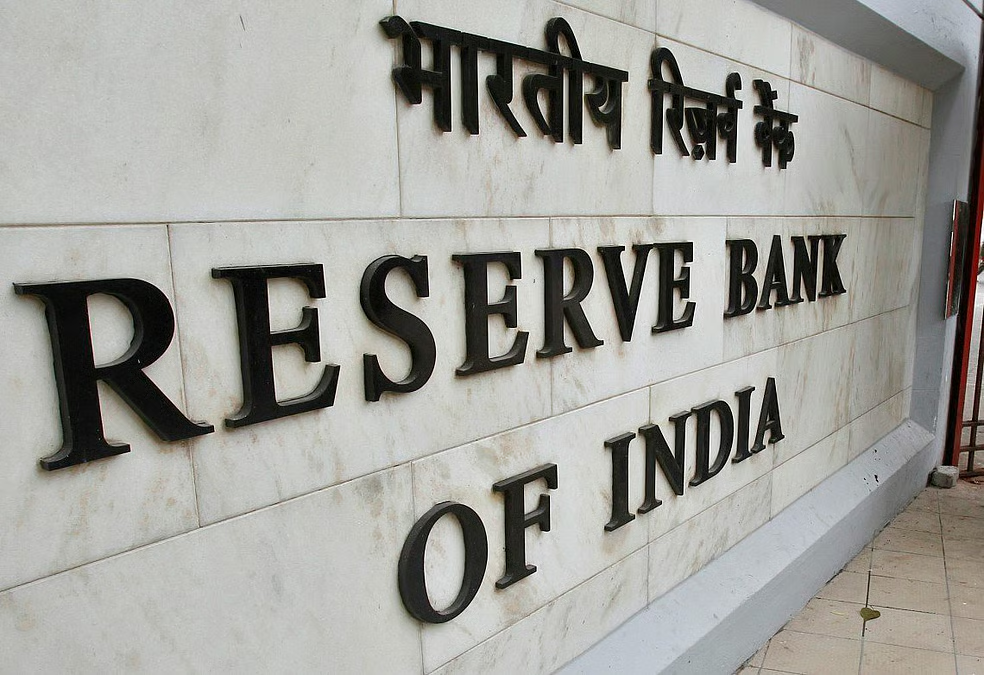
The Reserve Bank of India raised its benchmark repo rate by 25 basis points to 5.50% on Wednesday, marking its first interest rate increase since February 2023.
The move reflects growing concern over inflation, higher energy prices, and increased geopolitical uncertainty.
The RBI’s Monetary Policy Committee increased the repo rate from 5.25%, broadly matching economists’ expectations.
RBI Turns More Hawkish
The rate decision was unanimous.
However, the Monetary Policy Committee voted 4-2 to change its policy stance from “neutral” to “calibrated tightening.”
The shift suggests that the RBI is prepared to raise interest rates further if inflation remains elevated.
Governor Sanjay Malhotra said future decisions would depend on how both inflation and economic growth develop.
More RBI Rate Hikes Could Follow
The central bank said India’s economy remains resilient. However, policymakers warned that the inflation environment has changed significantly compared with last year.
Abhijit Surya, Senior APAC Economist at Capital Economics, said the hawkish tone of the RBI decision supports expectations for further tightening.
Capital Economics expects additional 25-basis-point increases in December and February.
If those forecasts prove correct, the repo rate could eventually reach 6%.
That would be higher than the 5.75% terminal rate currently expected by the broader market.
Geopolitical Risks Complicate India’s Outlook
The RBI is also dealing with a more challenging global environment.
Geopolitical tensions have increased uncertainty across international markets, while higher energy prices remain an important risk for India.
India imports a large portion of its energy needs. Therefore, rising oil prices can quickly increase inflationary pressure and weaken the country’s trade balance.
These risks have made monetary policy more difficult for the central bank.
RBI Raises Inflation Forecast
The RBI now expects headline consumer price inflation to average 5.8% over the next three quarters, including the current quarter.
Core inflation, which excludes food and fuel prices, is expected to average 4.4% during the current financial year.
The revised forecasts follow a recent increase in price pressures.
India’s consumer inflation rate rose to 4.82% in August, compared with 4.45% in July.
Food inflation also increased, climbing to 5.95% from 5.52%.
Strong Economic Growth Gives RBI More Flexibility
India’s strong economic performance gives the RBI more room to focus on controlling inflation.
The central bank raised its growth forecast for the current financial year to 7.1%.
That represents an increase of 40 basis points from its previous estimate.
India’s GDP expanded by 7.8% during the April-to-June quarter, exceeding the RBI’s earlier forecast of 7%.
The stronger growth outlook reduces the immediate risk that higher interest rates will cause a sharp economic slowdown.
Indian Rupee Strengthens After RBI Decision
The Indian rupee strengthened slightly following the rate announcement.
USD/INR fell around 0.2% to approximately 96.59.
Meanwhile, India’s benchmark Nifty 50 index declined roughly 0.4% after the decision.
The market reaction reflected expectations that tighter monetary policy could provide some support for the rupee while increasing pressure on equities.
RBI Reverses Previous Easing Cycle
The latest rate hike marks a significant change in direction for Indian monetary policy.
The RBI previously completed a 125-basis-point easing cycle that began in February 2025.
The central bank had kept the repo rate unchanged at 5.25% during its August policy meeting and at earlier reviews.
Wednesday’s increase therefore signals the beginning of a potentially new tightening phase.
India Interest Rate Outlook Turns More Hawkish
The RBI’s decision suggests that inflation control is becoming a greater priority.
Strong economic growth gives policymakers room to raise borrowing costs without immediately threatening the broader economy.
However, the outlook will remain highly dependent on inflation, energy prices, global geopolitical developments, and domestic growth.
If inflation remains elevated, further RBI rate hikes could follow over the coming months.