U.S. President Donald Trump said oil prices could fall sharply once the war with Iran comes to an end. He also suggested that a resolution to the conflict could arrive relatively soon.
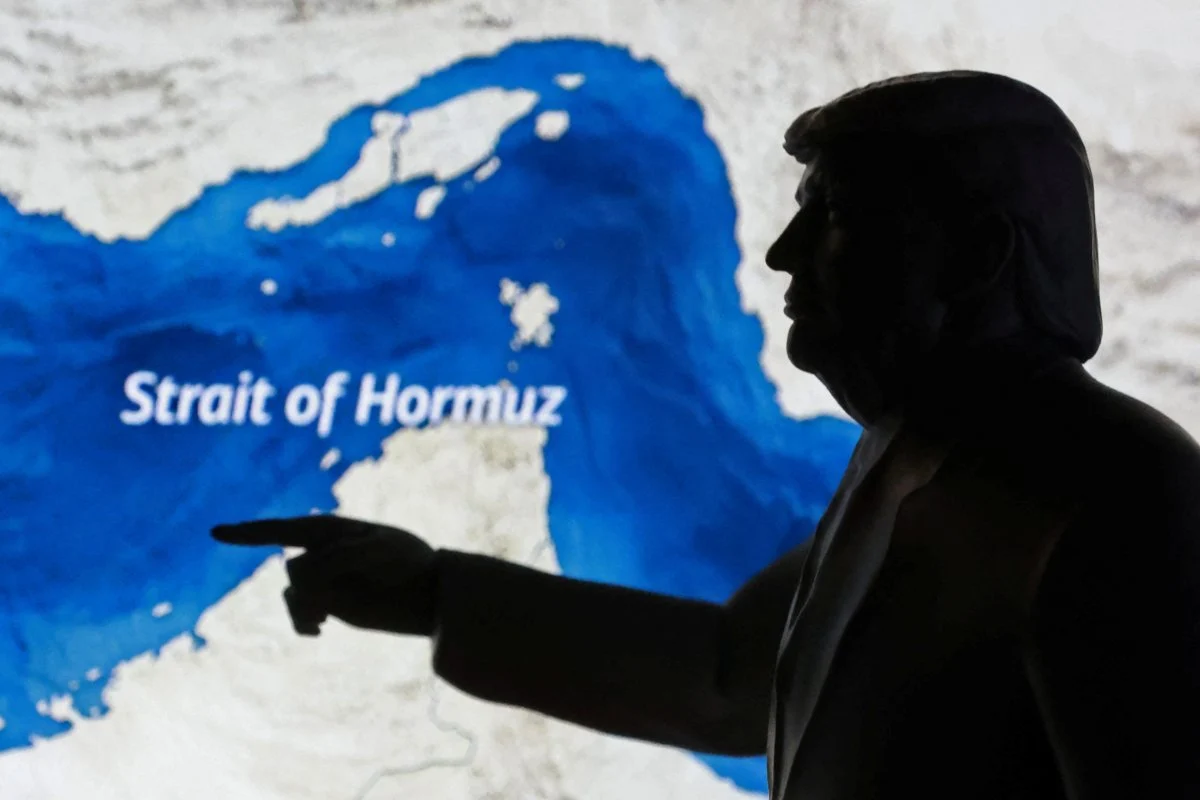
Speaking to reporters on Sunday before boarding Marine One for Medinah, Illinois, Trump pointed to increased oil flows through the Strait of Hormuz as a positive development.
In addition, Trump told Axios that U.S. negotiators are expected to hold further discussions with Iran this week as diplomatic efforts continue.
Trump Predicts Sharp Drop in Oil Prices
Trump argued that crude prices could decline considerably once the conflict ends and pressure on global energy supplies begins to ease.
According to the president, oil prices are likely to fall rapidly when the war concludes. He also claimed that current oil prices remain below levels seen during the Biden administration.
Trump highlighted the recent increase in oil shipments through the Strait of Hormuz. He said that more oil had moved through the strategic waterway over the weekend than at any point since the conflict began.
Axios reported that a U.S. defense official confirmed that around 22 million barrels of oil passed through the strait on Friday night.
U.S. Rejects Iran’s Latest Hormuz Proposal
Trump’s comments came after Washington rejected Iran’s latest proposal concerning the Strait of Hormuz.
Iran had proposed reopening the strait and restarting nuclear negotiations if the United States lifted its naval blockade, eased restrictions on Iranian oil sales and agreed to a broader ceasefire.
However, Trump rejected the proposal on Saturday, arguing that Tehran’s terms were unacceptable to Washington.
Despite the rejection, diplomatic contacts have continued through regional mediators. Qatar has played a major role in passing messages between U.S. and Iranian officials.
Further U.S.-Iran Talks Remain Possible
Trump told Axios that he expects further talks with Iran during the coming week.
U.S. envoys Steve Witkoff and Jared Kushner had already participated in indirect discussions with Iranian Foreign Minister Abbas Araghchi during the United Nations General Assembly in New York.
However, significant differences remain between the two sides. Iran has focused heavily on reopening the Strait of Hormuz and ending the U.S. blockade, while Washington is also seeking concessions related to Iran’s nuclear program.
Trump has also left open the possibility of further military action against Iran.
Iran Maintains Its Conditions
Iran, meanwhile, has indicated that it is not prepared to significantly soften its conditions for reopening the Strait of Hormuz.
Araghchi said Tehran was aware of Trump’s public rejection of its proposal. However, according to the Iranian foreign minister, Iran was still waiting for an official response through mediators.
Qatar and Pakistan have been involved in diplomatic efforts aimed at bridging the gap between Washington and Tehran.
Araghchi has continued to argue that negotiations are the only realistic way to resolve the dispute over the Strait of Hormuz.
Iranian officials have also emphasized publicly that they remain open to a diplomatic settlement despite the continuing disagreement with Washington.
Strait of Hormuz Remains a Major Market Risk
The Strait of Hormuz remains one of the most important factors influencing global oil markets.
Any disruption to shipping through the waterway can affect global crude supplies and increase volatility in Brent and WTI oil prices.
Recent shipping conditions have remained highly unstable. Before the latest diplomatic developments, vessel traffic through Hormuz had fallen dramatically compared with levels seen before the conflict.
Iranian media have also reported further military activity in the area.
The Revolutionary Guards-linked Fars news agency said Iranian forces targeted 19 vessels described as “violators” during Friday and Saturday. According to the report, 12 vessels were targeted on Friday and another seven on Saturday.
Fars also cited local reports claiming that Iranian cruise missiles and attack drones had been launched toward commercial vessels south of the strait. These claims were reported by Iranian sources and have not all been independently confirmed.
Iran Reports Seizure of U.S. Underwater Vehicle
Iran’s Revolutionary Guards Navy also claimed that it seized an advanced U.S. military underwater vehicle operating in the Strait of Hormuz.
Iranian state-linked media identified the vehicle as a U.S. military unmanned underwater system.
The claims form part of a wider dispute between Tehran and Washington over military activity and surveillance around the strategically important waterway.
Previous Deal Could Provide a Framework
U.S. and Iranian officials have explored several possible agreements aimed at reopening the Strait of Hormuz.
One proposed framework would involve Tehran restoring shipping access while Washington eases or removes its blockade of Iranian ports.
Recent negotiations have examined phased arrangements designed to reduce hostilities and restore commercial traffic through the region.
Nevertheless, no final agreement has been reached.
Trump said Iran had presented a proposal, but he rejected it because he considered its terms insufficient.
Regional Tensions Remain Elevated
Tensions have also continued elsewhere in the Middle East.
Saudi-led coalition forces said they intercepted Houthi drones heading toward Riyadh as well as ballistic missiles targeting Khamis Mushait in southern Saudi Arabia.
The incidents added another source of uncertainty for regional security and energy markets.
With the Strait of Hormuz still at the center of negotiations, investors are closely watching for signs of progress between Washington and Tehran.
Trump believes an eventual end to the conflict could trigger a significant decline in oil prices. However, the two sides remain divided over the terms required to reopen Hormuz and bring the wider confrontation toward a settlement.