Houthi forces and Saudi-backed Yemeni troops battled for strategic positions in Yemen on Monday, raising concerns over control of territory overlooking one of the world’s most important shipping routes.
The Iran-aligned Houthis have made significant territorial gains in recent weeks. Their advance has increased uncertainty surrounding Saudi Arabian oil exports and security across the Red Sea region.
Houthis Fight for Strategic Yemen Highlands
The latest fighting has centered on mountainous areas near Yemen’s Red Sea coast.
Control of these strategic heights could allow the Houthis to strengthen their position around the Bab el-Mandeb Strait, the narrow waterway connecting the Red Sea with the Gulf of Aden.
The Bab el-Mandeb is an important route for international trade and energy shipments. Recent Houthi territorial gains along Yemen’s western coastline have therefore increased concerns over maritime security.
Bab el-Mandeb Becomes Increasingly Important for Saudi Oil
The strategic importance of the Bab el-Mandeb has increased as shipping through the nearby Strait of Hormuz remains heavily disrupted by the broader Middle East conflict.
Saudi Arabia has relied on alternative export routes to keep crude oil moving to international customers.
However, Houthi attacks have also affected Saudi energy infrastructure, including the country’s East-West pipeline, which connects oil-producing regions in the east with facilities on the Red Sea coast.
Recent attacks have forced Saudi Aramco to adjust export routes and increase shipments through the Strait of Hormuz despite continued security risks.
Houthis Claim Attacks on Riyadh
Regional tensions increased further over the weekend after the Houthis said they had launched missile and drone attacks targeting Saudi Arabia.
The group claimed to have targeted sites in Riyadh as well as energy infrastructure elsewhere in the kingdom.
Saudi-led forces reported intercepting several attacks, while smoke and flames were seen near Riyadh’s main airport following the escalation.
The developments have increased concerns that the Yemen conflict could further affect Saudi energy production and transportation infrastructure.
Trump Reportedly Called Off U.S. Strikes on Houthis
Washington has so far avoided directly joining the latest Saudi-backed military campaign in Yemen.
Reuters reported that Saudi Crown Prince Mohammed bin Salman and Yemen’s internationally recognized government had sought additional U.S. military assistance.
The New York Times reported that President Donald Trump had been preparing to authorize U.S. airstrikes against Houthi targets before cancelling the operation at the last moment. Reuters said it was unable to independently verify that report, and U.S. Central Command did not immediately comment.
Separately, Reuters reported that Trump did not commit to direct military assistance during a conversation with Yemeni President Rashad al-Alimi.
U.S. Military Resources Remain Under Pressure
The broader Middle East conflict has placed additional demands on U.S. military resources throughout the Gulf region.
American forces are already involved in protecting military installations and supporting shipping security around strategically important waterways.
Analysts cited in the original report argued that these commitments could make Washington more reluctant to expand its direct involvement in Yemen.
At the same time, continued escalation could increase pressure on regional governments to pursue diplomatic solutions.
UN General Assembly Could Provide Diplomatic Opening
Attention is also turning toward diplomatic meetings taking place around the United Nations General Assembly in New York.
Trump has indicated that he would be open to meeting Iranian President Masoud Pezeshkian as international efforts continue to explore a potential diplomatic path in the conflict.
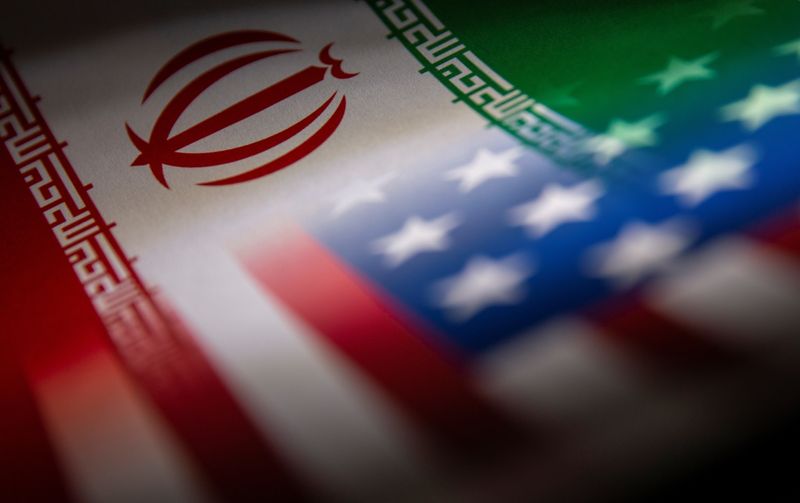
However, tensions between Washington and Tehran remain high.
Both sides exchanged new warnings in recent days, with Trump calling for Iran to reach an agreement and Iranian officials warning of retaliation against renewed attacks.
Oil Prices Fall Despite Yemen Fighting
Despite renewed conflict in Yemen and continued uncertainty across major Middle Eastern shipping routes, crude oil prices declined on Monday.
Part of the pullback reflected hopes that diplomatic discussions surrounding the UN General Assembly could reduce regional tensions.
Saudi Arabian exports have also shown signs of recovery.
Data from shipping analytics company Kpler showed that Saudi oil exports increased to just over 4 million barrels per day in September, compared with approximately 2.4 million barrels per day in August.
That recovery helped ease some immediate concerns over global crude supplies.
Saudi Arabia Looks to Restore East-West Pipeline Flows
Saudi Arabia is also seeking to restore flows through its damaged East-West pipeline.
The pipeline is particularly important because it allows Saudi crude to reach the Red Sea without relying entirely on the Strait of Hormuz.
Reports suggest Saudi producers hope to restore some pipeline capacity relatively quickly. However, uncertainty remains over how rapidly full operations can resume.
Yemen Conflict Keeps Energy Markets on Alert
The fighting in Yemen adds another source of uncertainty for global energy markets.
Further Houthi gains near the Bab el-Mandeb could increase risks surrounding Red Sea shipping, while renewed attacks on Saudi infrastructure could complicate the kingdom’s efforts to maintain stable crude exports.
For oil markets, developments in Yemen, the Bab el-Mandeb Strait, Saudi Arabia and the wider U.S.-Iran conflict are therefore likely to remain important factors shaping supply expectations.