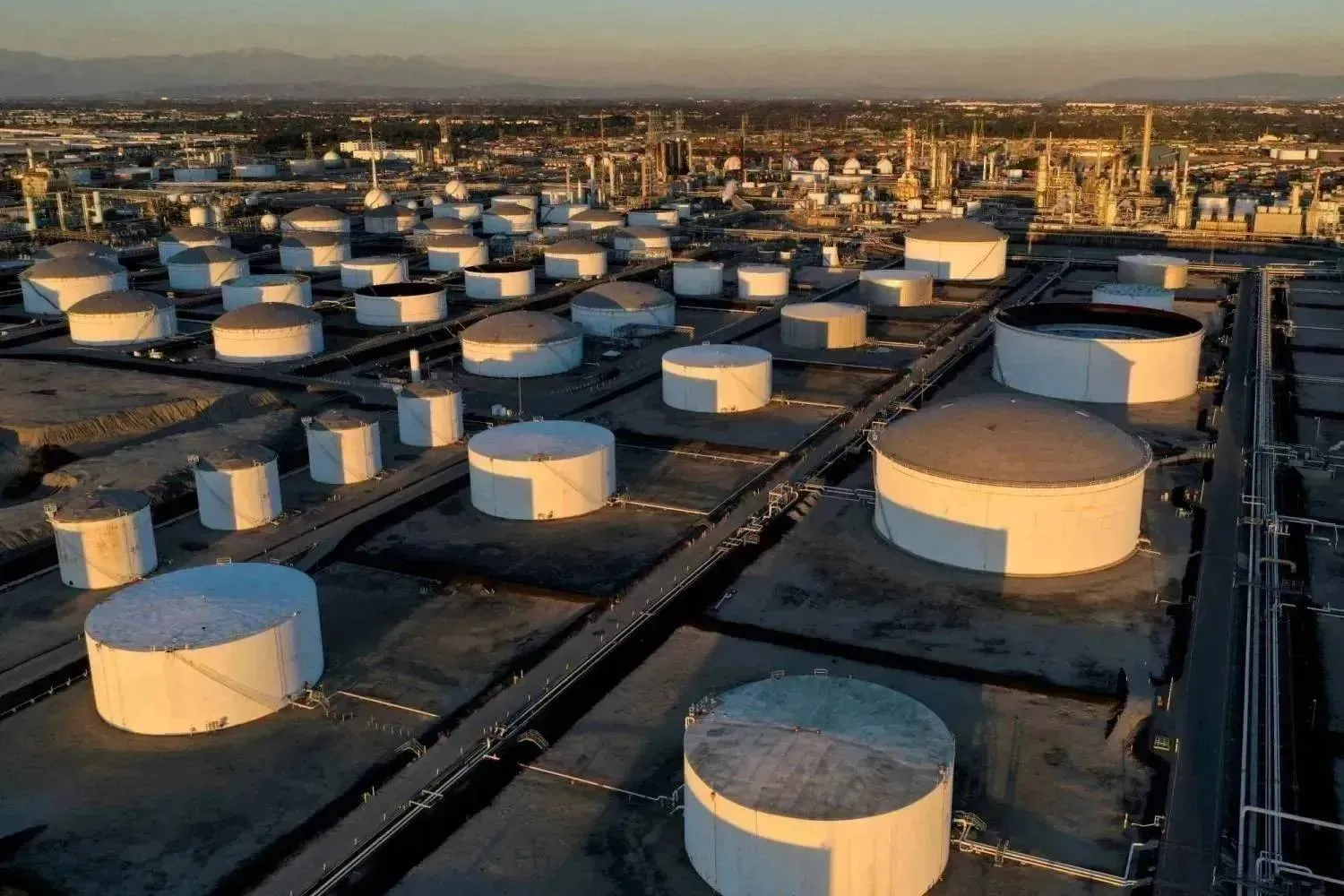
The latest report from the US Energy Information Administration (EIA) showed that crude oil inventories declined, although the drop was smaller than markets had expected.
US crude oil inventories fell by 0.640 million barrels. Analysts had forecast a much larger decline of 1.600 million barrels.
Crude Oil Inventories Miss Market Expectations
Although inventories decreased, the draw was weaker than expected.
The latest decline was still larger than the previous week’s drop of 0.391 million barrels. However, the smaller-than-forecast draw suggests that the US oil market may be somewhat better supplied than traders had anticipated.
This could reflect weaker demand, stronger production, higher imports or a combination of these factors.
Why the EIA Inventory Report Matters
The EIA crude oil inventory report is closely followed by investors because it provides an important snapshot of supply and demand conditions in the US oil market.
A smaller-than-expected decline in crude oil inventories is generally viewed as a potentially bearish signal for oil prices.
When inventories remain higher than anticipated, it can indicate that demand is weaker or supply is stronger than the market had priced in.
By contrast, a larger-than-expected inventory draw usually signals stronger demand or tighter supply conditions. That can provide support for crude oil prices.
Global Oil Market Remains in Focus
The latest inventory data arrives as traders continue to monitor several major developments affecting the global oil market.
Production policies from leading oil-producing countries remain an important factor. At the same time, changes in global consumption, economic growth and energy demand continue to influence the outlook for crude oil.
US inventory data is therefore an important part of the broader picture, especially when traders assess whether supply and demand conditions are tightening or weakening.
What Could Happen Next to Oil Prices?
Market participants are likely to continue monitoring future EIA inventory reports for signs of a clearer trend.
Oil traders will also watch production data, demand indicators and broader economic developments for clues about the direction of crude oil prices.
For now, the smaller-than-expected inventory decline suggests that supply conditions may be slightly looser than markets had forecast, keeping pressure on the near-term oil market outlook.