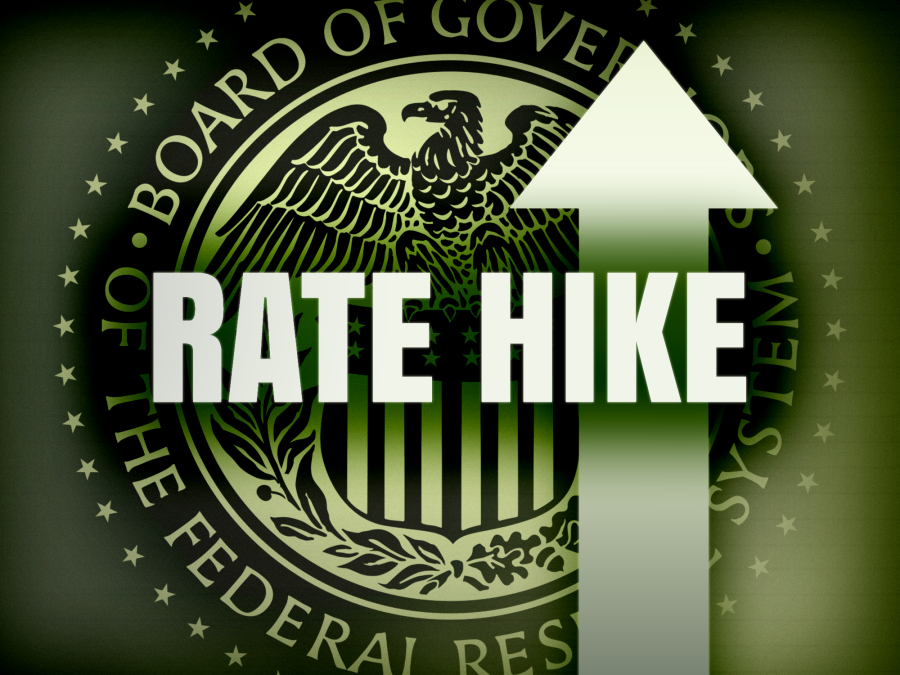
UBS expects the Federal Reserve to keep interest rates unchanged at its September 16 meeting. However, the bank highlighted several developments that could push policymakers toward a more hawkish stance.
According to UBS strategists, stronger-than-expected employment data or renewed inflation pressure could increase the likelihood of another Fed rate hike.
Investors will also closely watch the Federal Reserve’s assessment of longer-term inflation expectations and overall financial conditions.
Strong Jobs Data Could Change the Fed Outlook
UBS believes a surprisingly strong labor market report could strengthen the case for higher interest rates.
For now, however, recent economic data do not appear to support additional tightening.
The latest US employment report came in weaker than expected and included a negative nonfarm payrolls reading. UBS said another set of disappointing labor market figures next week could further reduce the chances of a September rate increase.
Inflation Remains Above the Fed’s Target
Inflation is still running above the Federal Reserve’s target, but UBS expects price pressures to ease around the end of the year.
Part of that slowdown could come as earlier increases in energy prices drop out of year-over-year comparisons.
If inflation continues to moderate, policymakers may have more reason to keep rates unchanged rather than tighten monetary policy further.
However, another unexpected acceleration in inflation could quickly alter that outlook and increase pressure on the Fed to act.
Markets Still See a Chance of a Fed Rate Hike
Financial markets are currently pricing in roughly a 40% probability of a Fed rate hike.
By comparison, investors are assigning a much higher probability to a European Central Bank rate increase at its September 10 meeting.
UBS noted that if the ECB raises rates while the Federal Reserve remains on hold, the EUR/USD currency pair could move higher.
The difference in monetary policy between the two central banks could therefore become an important driver for foreign exchange markets.
Long-Term Bond Yields Unlikely to Drive Fed Policy
UBS also challenged the idea that the Federal Reserve could raise rates specifically to bring down longer-term bond yields.
The bank argued that long-dated yields are influenced by several factors beyond monetary policy.
These include the term premium and substantial debt issuance from large technology and infrastructure companies.
As a result, movements in long-term Treasury yields alone may not be enough to trigger a change in Fed policy.
Kevin Warsh’s Jackson Hole Speech in Focus
Federal Reserve Chair Kevin Warsh’s Jackson Hole keynote speech is another major near-term event for financial markets.
UBS warned that expectations surrounding the speech are particularly high.
That means even a lack of major policy signals could create volatility across bonds, currencies and equities as investors reassess the outlook for US interest rates.
For now, the key factors determining whether the Fed could raise rates again remain inflation, employment data and broader financial conditions.