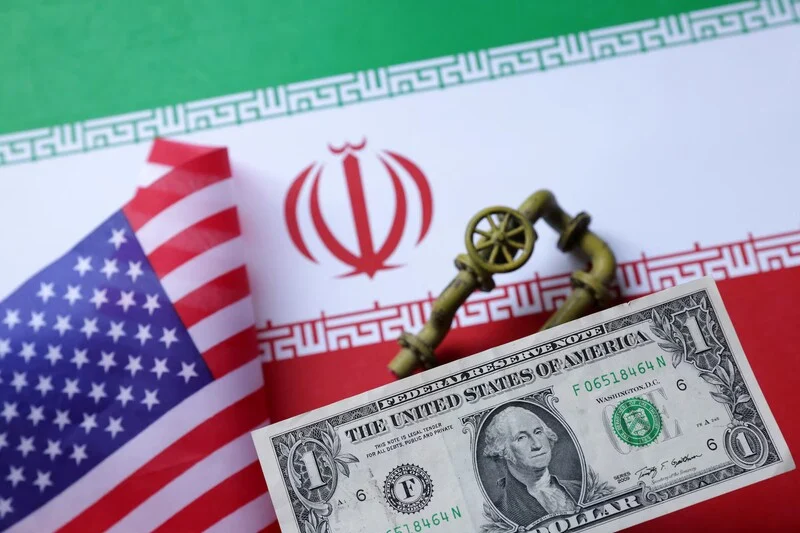
U.S. President Donald Trump said on Wednesday that Washington plans to impose tougher economic restrictions on Iran as tensions between the two countries remain high over the Strait of Hormuz.
Trump warned that countries continuing to conduct business with Iran could face significant economic consequences. However, he did not provide specific details about the measures the U.S. intends to introduce.
Trump Calls for Unprecedented Economic Isolation
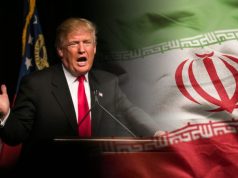
In a post on Truth Social, Trump described the initiative as an extremely aggressive economic campaign designed to isolate Iran.
He said the strategy would involve economic pressure on an unprecedented scale and urged U.S. allies to support Washington’s efforts.
Trump also repeated his position that Iran must not be allowed to obtain a nuclear weapon.
Details of New Iran Sanctions Remain Unclear
Despite the strong language, the exact nature of the proposed economic restrictions on Iran remains uncertain.
Iran is already subject to extensive U.S. sanctions, particularly targeting its oil exports and access to international financial markets.
The United States has also imposed restrictions on Iranian ports as part of the broader confrontation between the two countries.
As a result, investors and governments are now waiting to see whether the latest announcement will involve expanded secondary sanctions, tighter enforcement, or additional restrictions on countries trading with Tehran.
Strait of Hormuz Remains at Center of Dispute
Trump’s announcement comes as the standoff over the Strait of Hormuz continues with few signs of a resolution.
Iran has said that restrictions on the waterway will remain in place until the United States complies with terms included in an interim agreement reached in June.
However, that agreement expired earlier this week, and neither side has shown clear signs of reaching a new arrangement.
The continuing deadlock has increased concerns about regional stability and global energy supplies.
U.S. May Shift Toward Long-Term Economic Pressure
Several reports have suggested that the Trump administration could be preparing to rely more heavily on economic measures rather than expanding military operations.
Such a strategy would focus on weakening Iran financially through sanctions, trade restrictions, and international isolation.
The shift could mark a new phase in the conflict, which is now approaching its seventh consecutive month without a clear path toward de-escalation.
Tensions Across the Region Remain Elevated
Regional tensions have remained high as negotiations over Hormuz continue.
Trump has also increased pressure on countries involved in discussions with Tehran, adding further uncertainty to diplomatic efforts.
With little progress toward a broader agreement, investors remain alert to the possibility of additional sanctions or renewed military escalation.
Hormuz Disruption Remains a Major Oil Market Risk
The Strait of Hormuz remains one of the most important issues for global markets because of its role in international energy trade.
Before the current conflict, roughly 20% of the world’s oil supply passed through the waterway.
Shipping activity has remained limited despite U.S. statements that the Strait is open. Any prolonged disruption could further restrict crude supplies and keep upward pressure on global oil prices.
Markets Watch for Details of Trump’s Iran Strategy
For now, the biggest question is how far the Trump administration intends to take its latest economic campaign against Iran.
More aggressive sanctions could affect Iranian oil exports, global trade, energy prices, and relations between Washington and countries that continue doing business with Tehran.
Markets will therefore watch closely for additional details from the White House, as well as any response from Iran and U.S. allies.