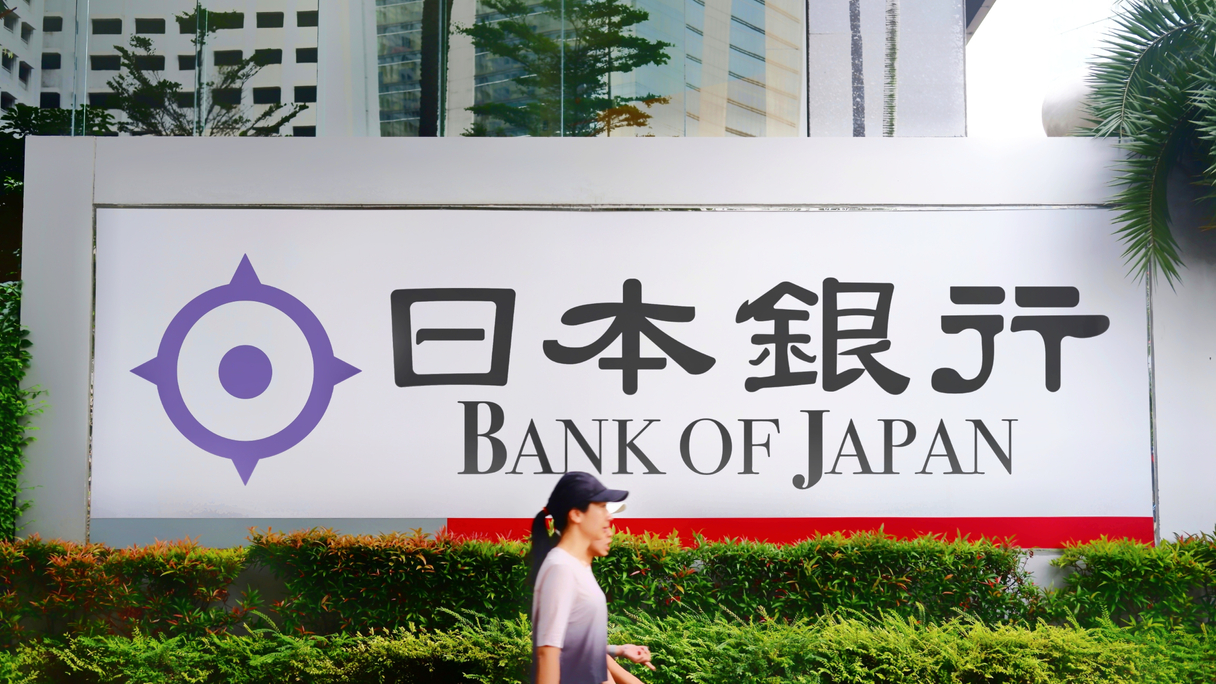
The Bank of Japan could raise interest rates as early as September and may consider accelerating the pace of tightening afterward, according to three sources familiar with the central bank’s thinking.
Such a move would mark a shift from the BOJ’s recent pace of roughly two rate increases per year.
Policymakers are becoming increasingly concerned about inflation pressures linked to the Middle East conflict, strong global demand related to artificial intelligence and continued weakness in the Japanese yen.
One source said an early rate increase was now clearly under consideration, raising the possibility of action at the BOJ’s next policy meeting on September 17 and 18.
The source also suggested that the central bank could increase rates more frequently in the future, a view supported by another person familiar with the discussions.
Japanese Bond Yields Rise on BOJ Expectations
Japanese government bond yields moved higher after reports emerged about the BOJ’s policy discussions.
The two-year Japanese government bond yield, which is particularly sensitive to expectations for monetary policy, rebounded following the news.
Meanwhile, the five-year yield climbed to a record high as traders increased bets on further monetary tightening.
BOJ Has Already Raised Rates to 31-Year High
Since ending its decade-long ultra-loose monetary policy in 2024, the Bank of Japan has raised interest rates at a pace of roughly twice per year.
Its latest increase came in June, when the BOJ lifted its policy rate to 1%, the highest level in 31 years.
Although policymakers left rates unchanged at their most recent meeting, the central bank delivered one of its clearest signals yet that another increase could come sooner than previously expected.
The BOJ warned that rising price pressures could push underlying inflation above its 2% target.
Policymakers Concerned About Falling Behind Inflation
A summary of opinions from the July policy meeting showed that some board members supported a faster pace of rate hikes.
Their concern is that the BOJ could fall behind the inflation curve if price pressures continue to strengthen.
Governor Kazuo Ueda also acknowledged these risks after the latest meeting. He said growing concerns among board members about inflation would be taken into account when guiding future policy decisions.
Ueda added that the BOJ could speed up rate increases if financial conditions remained excessively accommodative.
Inflation Expectations Continue to Rise in Japan
Several indicators are increasing pressure on the BOJ to consider further tightening.
Surveys suggest inflation expectations among Japanese households, businesses and economists are approaching or moving above the central bank’s 2% objective.
Wholesale inflation also remained close to a three-year high in July.
Persistently elevated producer prices increase the risk that businesses will pass higher costs on to consumers, potentially keeping overall inflation elevated.
Weak Yen Adds to Price Pressures
The Japanese yen remains another major concern for the BOJ.
Although the currency has recovered from the 40-year low reached last month, analysts believe continued yen weakness could keep import costs elevated.
A weaker currency makes imported energy, food and other products more expensive, increasing inflationary pressure across the Japanese economy.
With underlying inflation moving closer to the BOJ’s target, policymakers may need to pay greater attention to the risk that prices rise faster than expected.
BOJ Balances Inflation Risks Against Economic Growth
The Bank of Japan still faces a difficult policy balance.
As interest rates move closer to levels considered neutral for economic activity, officials have stressed the importance of assessing how previous rate increases have affected Japan’s fragile economy.
However, stronger inflation risks could make policymakers reluctant to delay another increase for too long.
The BOJ declined to comment on the reported discussions, while the sources spoke anonymously because they were not authorized to discuss internal deliberations publicly.
Markets Price High Chance of September BOJ Hike
Attention on BOJ policy has intensified following the rare joint currency intervention by Japan and the United States last month.
Comments from U.S. Treasury Secretary Scott Bessent have also increased speculation over how Japanese policymakers may respond to persistent yen weakness.
Financial markets are now pricing in nearly an 80% probability of a BOJ rate hike in September.
Some analysts believe a September move could also create room for another rate increase in December.
If that happened, markets could begin viewing the BOJ as moving toward a faster tightening cycle, potentially raising rates as often as once per quarter.