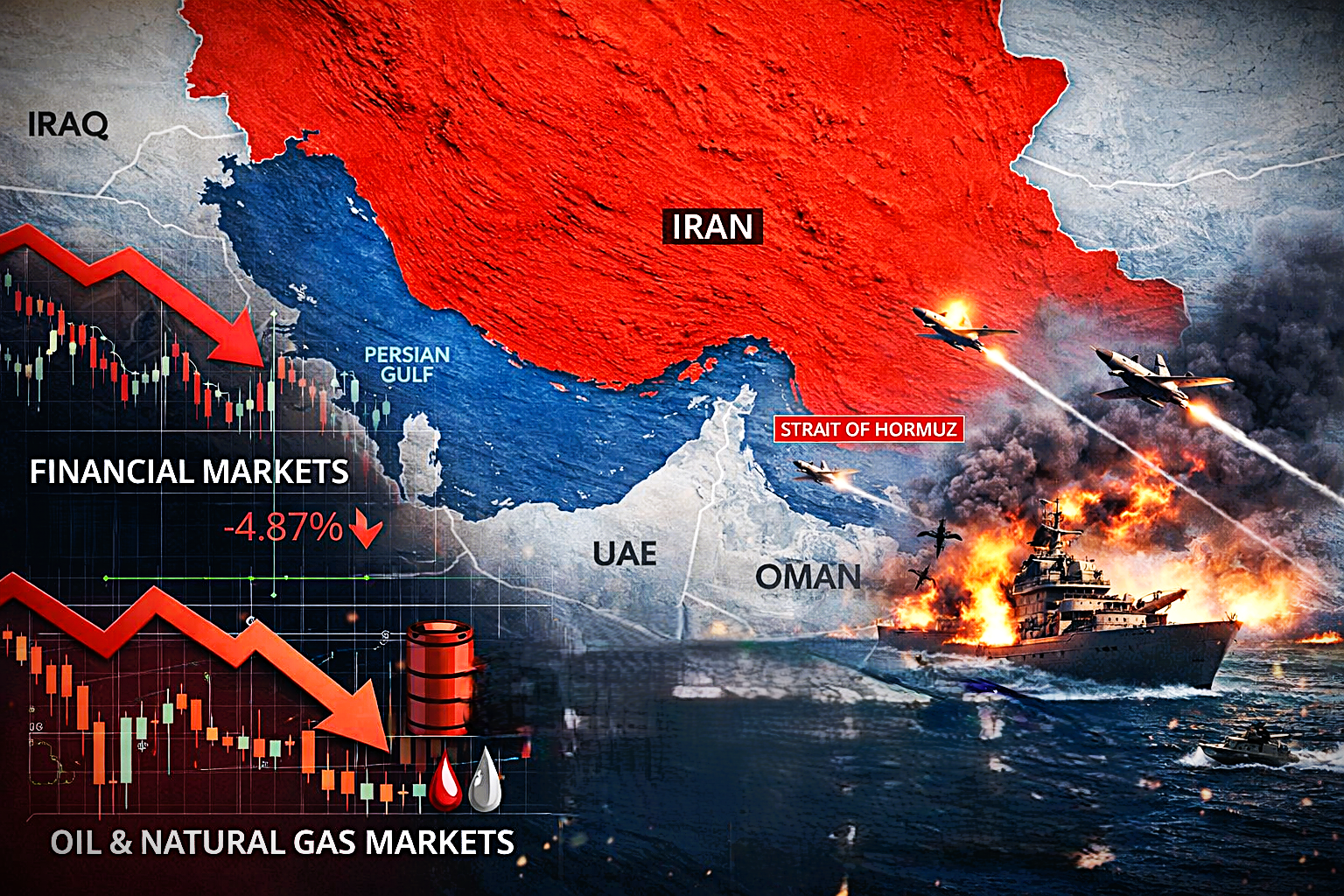
Iran has warned Gulf countries that any renewed U.S. attack on Iranian territory could trigger retaliation against critical energy infrastructure across the region, according to five sources familiar with the matter.
The warning appears designed to increase the potential cost of further military action. It also places pressure on Washington’s closest regional partners to discourage another attack.
Tehran Intensifies Diplomatic Contacts
Iran delivered the warning through several high-level diplomatic discussions after U.S. President Donald Trump threatened on July 28 to target Iran’s energy network and infrastructure.
Two senior Iranian officials, two Gulf sources and a senior regional diplomat said Iranian Foreign Minister Abbas Araqchi contacted officials in Saudi Arabia, Turkey, Qatar and Pakistan.
The sources requested anonymity because of the sensitive nature of the discussions.
Araqchi reportedly urged U.S.-aligned Gulf states to use their influence with Trump and prevent further military action.
According to the senior diplomat, Iran warned that any attack on its territory would lead to retaliation against U.S. assets and energy facilities across the Gulf.
Iran Calls Diplomacy the Best Option
Tehran’s message remained consistent throughout the discussions.
Iran said it was prepared to respond militarily, but stressed that a diplomatic solution would offer the best chance of avoiding wider regional escalation.
One Gulf source said the warning was direct. According to the source, Iran made clear that attacks on its infrastructure could lead to strikes against Gulf energy facilities and other regional targets.
The diplomatic effort shows how Tehran is using the risk of a broader conflict as leverage against new U.S. strikes.
This strategy places Gulf states in a difficult position. Many host U.S. military facilities while also depending heavily on oil and gas exports.
Saudi Arabia Urges Trump to Delay Military Action
Saudi Crown Prince Mohammed bin Salman later spoke with Trump and encouraged him to delay any new military operation.
According to the sources, the Saudi leader called for renewed negotiations, a ceasefire and a broader diplomatic settlement.
Iran’s warning was reportedly aimed at every Gulf country. However, Tehran primarily communicated the message through Saudi Arabia and Qatar.
Iran has improved relations with several Gulf neighbours in recent years, including its former regional rival, Saudi Arabia.
Qatar, Oman and Saudi Arabia have all urged Washington to restart talks with Tehran and avoid another confrontation.
An Iranian official warned that renewed U.S. strikes could turn the region into what he described as a major conflict zone.
On August 2, Trump said he had agreed to cancel the planned attack, provided that a deal could be reached quickly.
Gulf States Seek to Prevent Wider Escalation
Saudi Arabia believes that further escalation would create more destruction without necessarily producing a lasting solution, according to one Gulf source.
For that reason, Riyadh reportedly encouraged Trump to give diplomacy another opportunity.
However, Saudi officials also made clear that the kingdom would respond militarily if its territory came under attack.
Ali Shihabi, a Saudi analyst with ties to the Royal Court, said Riyadh believes further escalation is unlikely to achieve the desired outcome.
He argued that limited military responses, combined with sustained pressure on Iran around the Strait of Hormuz, could offer a more practical route towards a diplomatic settlement.
Iran Targets Gulf Energy Vulnerabilities
Iran’s leadership has repeatedly called for the closure of U.S. military bases in the Gulf.
Tehran has also urged Arab states to stop sharing intelligence with Washington. Iranian officials believe this information has supported military operations against Iran.
According to one Iranian official, Tehran warned that future U.S. strikes could trigger attacks on a wide range of infrastructure across the Gulf.
Potential targets could include energy facilities, refineries, electricity networks, water systems, transport links and oil fields.
The official said Iran would respond with greater force if its own infrastructure suffered serious damage.
Aramco Attacks Remain a Powerful Warning
Iranian officials also referred to the 2019 attacks on Saudi Aramco facilities at Abqaiq and Khurais.
Those drone and missile strikes temporarily disrupted more than half of Saudi Arabia’s crude oil production.
The attack exposed the vulnerability of Gulf energy infrastructure and briefly affected global oil markets.
By raising the possibility of similar disruption, Tehran is attempting to convince Washington and its regional partners that another attack could carry major economic and strategic consequences.
Global Energy Supplies Could Face Disruption
A wider conflict in the Gulf could threaten global oil and gas supplies.
The region contains some of the world’s most important energy infrastructure and shipping routes. Therefore, any military escalation could quickly affect oil prices, international trade and financial markets.
Iran appears to be using that risk to encourage Gulf states to pressure Washington against renewed military action.
Trump Faces a Difficult Strategic Choice
From Tehran’s perspective, Trump faces two difficult options.
He could escalate the conflict and risk drawing the wider Gulf region into the confrontation. Such a move could also disrupt global energy supplies.
Alternatively, Washington could accept a negotiated settlement that may fall short of the decisive political or military victory it seeks.
According to the senior regional diplomat, one major obstacle remains Washington’s desire to present any agreement as clear evidence of success.
The diplomat said the United States wants an outcome that it can describe as proof that it won the conflict.
Until both sides find a compromise that can be presented as a political victory, the risk of renewed escalation is likely to remain high.