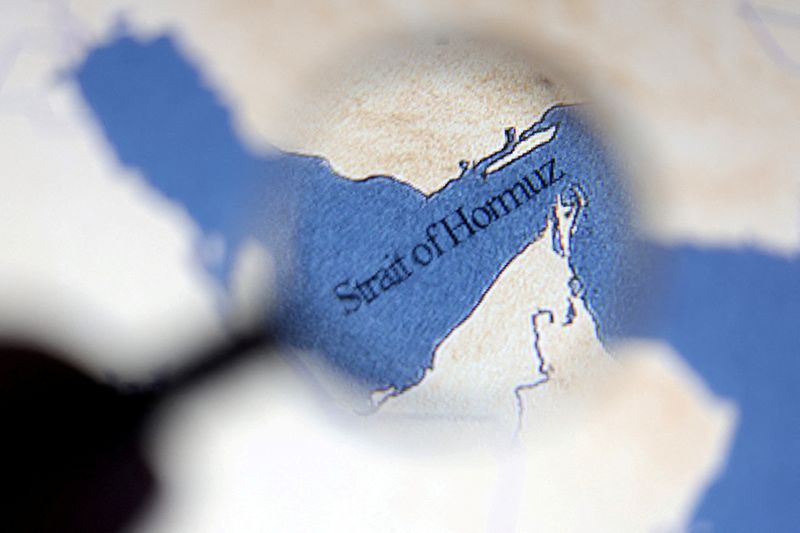
The United States, Iran and Oman are reportedly moving closer to an interim agreement to reopen the Strait of Hormuz.
Washington hopes to announce the deal on Wednesday, according to a report from Axios. However, Iranian media suggested that an agreement could be delayed while US threats against Tehran continue.
Interim Hormuz Agreement Reportedly Nears
Axios reported that negotiations have been underway for several weeks.
The proposed agreement would aim to restore shipping through the Strait of Hormuz, revive the US-Iran ceasefire and create a path toward renewed nuclear talks.
The report cited two regional sources and one US official.
However, neither Washington nor Tehran had formally confirmed that a final agreement had been reached.
Iran Warns That US Threats Could Delay a Deal
Iranian media reported that Tehran would not agree to reopen the waterway while the United States continued issuing threats.
This raised fresh doubts about the timing of any announcement.
The conflicting reports highlight the uncertainty surrounding the diplomatic process.
While US officials have suggested that progress is being made, Iran has repeatedly denied that direct negotiations are taking place.
Trump Says an Agreement Is Imminent
US President Donald Trump said this week that talks with Iran were continuing.
During an interview with Fox News, Trump claimed that an agreement covering the Strait of Hormuz and Iran’s nuclear programme was close.
He described a deal as imminent.
However, Trump also warned Iran that it faced a final opportunity to accept an agreement.
The combination of diplomatic optimism and public pressure added to the mixed signals surrounding the talks.
Iran Says It Is Only Speaking With Oman
Iran said it was not holding direct negotiations with the United States.
Instead, Tehran maintained that discussions were taking place only through mediators in Oman.
Oman has previously played an important role in diplomatic efforts between Washington and Tehran.
Its involvement may allow both sides to communicate while avoiding formal direct talks.
Signs of De-Escalation Emerge
Despite the contradictory statements, tensions appeared to ease slightly during the past week.
Trump said over the weekend that he had cancelled a major planned military strike against Iran.
The decision raised hopes that both sides were seeking to prevent another escalation.
However, the wider conflict remains highly unstable.
Earlier Ceasefire Comes Under Pressure
The United States and Iran recently experienced some of their heaviest fighting since the conflict began in February.
A ceasefire reached in June had largely broken down.
The renewed clashes increased concerns about regional security and the risk of further disruption to global energy supplies.
The Strait of Hormuz remained at the centre of the dispute.
Commercial Ship Attacks Fuel the Conflict
Recent tensions intensified following attacks on commercial vessels near the waterway.
Iran has repeatedly claimed control over the Strait of Hormuz.
The United States has opposed any attempt to restrict access or charge vessels for passage.
These disagreements have made the waterway one of the most sensitive issues in the broader conflict.
Why the Strait of Hormuz Matters
Before the conflict, at least one-fifth of the world’s oil supply passed through the Strait of Hormuz.
The route is also essential for global liquefied natural gas shipments.
Iran has reportedly restricted access through a combination of missile and drone attacks, naval mines and armed patrol vessels.
Any prolonged closure could reduce global energy supplies and push oil prices higher.
Markets Await Confirmation of a Deal
A confirmed agreement to reopen the Strait of Hormuz could reduce fears of energy supply disruption.
It could also support wider ceasefire efforts and potentially restart nuclear negotiations.
However, Iran’s warning about continued US threats suggests that a final announcement may still face delays.
Markets will closely watch statements from Washington, Tehran and Oman for confirmation that the proposed agreement is moving forward.