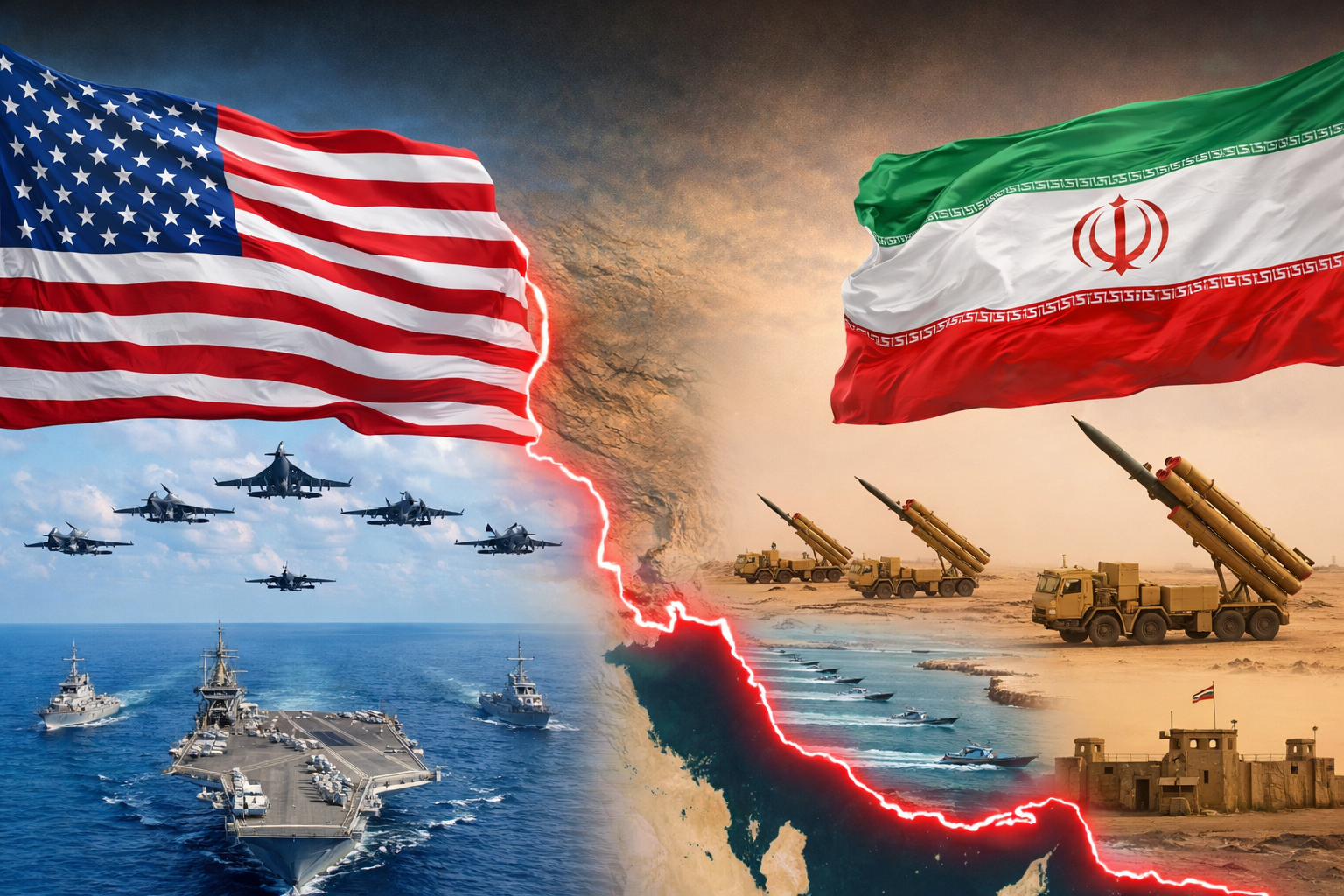
Iran’s Islamic Revolutionary Guard Corps launched several ballistic missiles toward U.S. forces in the Middle East on Tuesday, ending a four-day pause in direct military exchanges between Washington and Tehran.
According to U.S. Central Command, all incoming missiles were intercepted and no casualties were reported.
CENTCOM Reports Attempted Surprise Attack
U.S. Central Command described the missile launch as an attempted surprise attack.
In a statement published on X, CENTCOM said the missiles were fired from Iranian territory at approximately 5:45 p.m. ET.
The command said U.S. defensive systems successfully intercepted every incoming ballistic missile. It added that American forces remained highly alert and prepared for possible further attacks.
The Pentagon did not immediately confirm how many missiles were launched. Officials also did not identify the specific U.S. military installation that had been targeted.
U.S. and Saudi Forces Accused of Iraq Strikes
The missile attack came amid reports of additional military activity across Iraq.
The Iran-aligned Popular Mobilization Forces said U.S. and Saudi forces had carried out airstrikes against its headquarters in several Iraqi provinces.
Further details about the reported strikes were not immediately provided.
The accusations added to concerns that the conflict could expand through Iran-backed groups operating across the Middle East.
Saudi Arabia Intercepts Drones Near Oil Facilities
Saudi Arabia separately reported intercepting drones launched from Iraqi territory toward oil infrastructure.
Riyadh blamed Iran-backed militias for the attempted attacks.
The targeting of energy facilities raised fresh concerns about regional oil supplies and the security of important production and export infrastructure.
Any further attacks on Saudi oil facilities could increase volatility in global energy markets.
Four-Day Pause in Fighting Comes to an End
The latest exchanges ended a four-day period without direct attacks between Iran and the United States.
That temporary calm had encouraged cautious hopes that diplomatic efforts might prevent a broader conflict.
However, the Iranian missile launch, reported airstrikes in Iraq and drone attacks targeting Saudi facilities have increased the risk of renewed escalation.
Trump Had Paused U.S. Airstrikes
U.S. President Donald Trump halted American airstrikes against Iran the previous week to allow diplomatic efforts to continue.
Trump said Washington and Tehran were holding productive discussions. However, he also warned that military operations could resume if diplomacy failed.
The temporary pause was viewed as an opportunity for both sides to reduce tensions and explore a possible agreement.
Iran Denies Formal Negotiations
Iran has publicly rejected claims that official negotiations with the United States are underway.
Nevertheless, indirect communication between the two countries has continued through mediators.
The difference between Washington’s and Tehran’s public statements has created uncertainty over the status of diplomatic efforts.
It remains unclear whether the latest attacks will end those contacts or encourage both sides to seek a renewed pause.
Middle East Escalation Risks Increase
The interception of the Iranian missiles prevented casualties, but the attack highlights the fragile security situation across the Middle East.
Further military exchanges could threaten U.S. forces, regional energy facilities and international shipping routes.
Markets and governments will now closely monitor whether Washington responds militarily and whether diplomatic channels remain open.