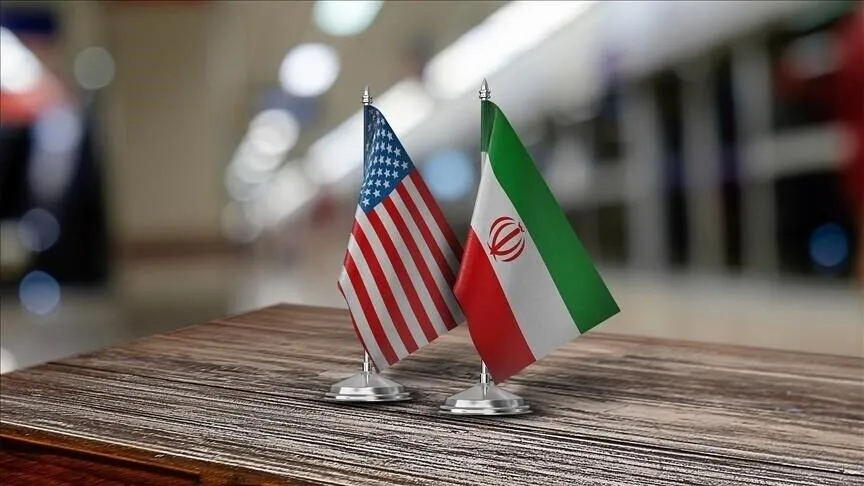
Iran will reportedly suspend its retaliatory attacks as long as the United States maintains its pause on air strikes.
The development follows President Donald Trump’s unexpected decision to halt a bombing campaign that had continued for almost two weeks.
U.S. Pauses Air Strikes After 13 Nights
The Pentagon stopped its bombing operations late on Friday after 13 consecutive nights of U.S. strikes against Iranian targets.
No further American air attacks were reported over the weekend. This marked the first two-day break since the military campaign began.
A senior Iranian official told Reuters that Tehran would follow an “attack for attack” approach. In other words, Iran would stop its operations while the United States refrained from launching additional strikes.
The official added that this position had already been communicated to Washington.
U.S. Naval Blockade Remains in Place
Although the air campaign has paused, the U.S. military said its naval blockade of Iran remains fully operational.
American officials did not provide a detailed explanation for the halt in air strikes.
However, a senior Trump administration official said diplomacy remained the president’s preferred outcome. The official also argued that Iran had now seen the consequences of refusing to engage in serious negotiations.
Iran avoided attacking neighboring countries on Saturday, creating a temporary reduction in fighting across the Gulf region.
Trump Seeks Space for Diplomacy
U.S. Ambassador to the United Nations Mike Waltz said Trump had paused military operations to give diplomatic efforts more time.
Speaking to Fox News on Sunday, Waltz said the president wanted to create space for negotiations to move forward. However, he did not provide details about the talks or the parties involved.
Washington and Tehran reportedly remain in contact, although Trump has said Iran is not yet prepared to reach an agreement.
Concerns Over a Wider Conflict
Trump reportedly stepped back from plans to intensify the military campaign because of growing concerns about a broader regional war.
Additional strikes could place further pressure on U.S. defense stockpiles, damage relations with Gulf allies and disrupt international energy supplies.
Despite the pause in direct U.S.-Iran attacks, military activity has continued in other parts of the region.
Houthi Attacks Shift Focus to the Red Sea
Tensions increasingly moved toward the Red Sea after Iran-aligned Houthi forces attacked Saudi Aramco facilities in Jizan and Yanbu.
Video footage reportedly showed smoke near the Jizan refinery, which can process as much as 400,000 barrels of oil per day.
Two missiles targeting Yanbu were intercepted by a U.S.-made Patriot defense system operated by Greek forces.
Yanbu has become an important export route for Saudi Arabian oil because it allows shipments to avoid the Strait of Hormuz.
A prolonged Houthi campaign could therefore threaten another major corridor used for global energy supplies and commercial shipping.
Yemeni Forces Strike Houthi Positions
Saudi-backed Yemeni forces responded by attacking Houthi missile launch sites and weapons storage facilities in Marib and al-Jawf.
Both sides were reportedly mobilizing additional troops. This raised concerns that Yemen’s civil war could intensify again after a ceasefire that began in 2022.
The Houthis have also declared a naval blockade of Saudi Arabia. The group previously attacked two Saudi oil tankers in the Red Sea.
New Tensions Emerge in the Caspian Sea
A separate front emerged in the Caspian Sea, where Iran accused Ukraine of attacking an Iranian commercial vessel.
An explosion aboard the ship reportedly killed one sailor and injured another.
The incident added another layer of uncertainty to an already unstable geopolitical environment.
Global Oil Supplies Remain at Risk
The temporary pause in direct attacks has reduced immediate fears of a wider U.S.-Iran conflict.
However, the American naval blockade and continuing threats to Red Sea energy infrastructure mean that global oil supplies remain vulnerable.
Any breakdown in negotiations or renewed military action could quickly increase tensions and place further pressure on energy markets and international shipping.