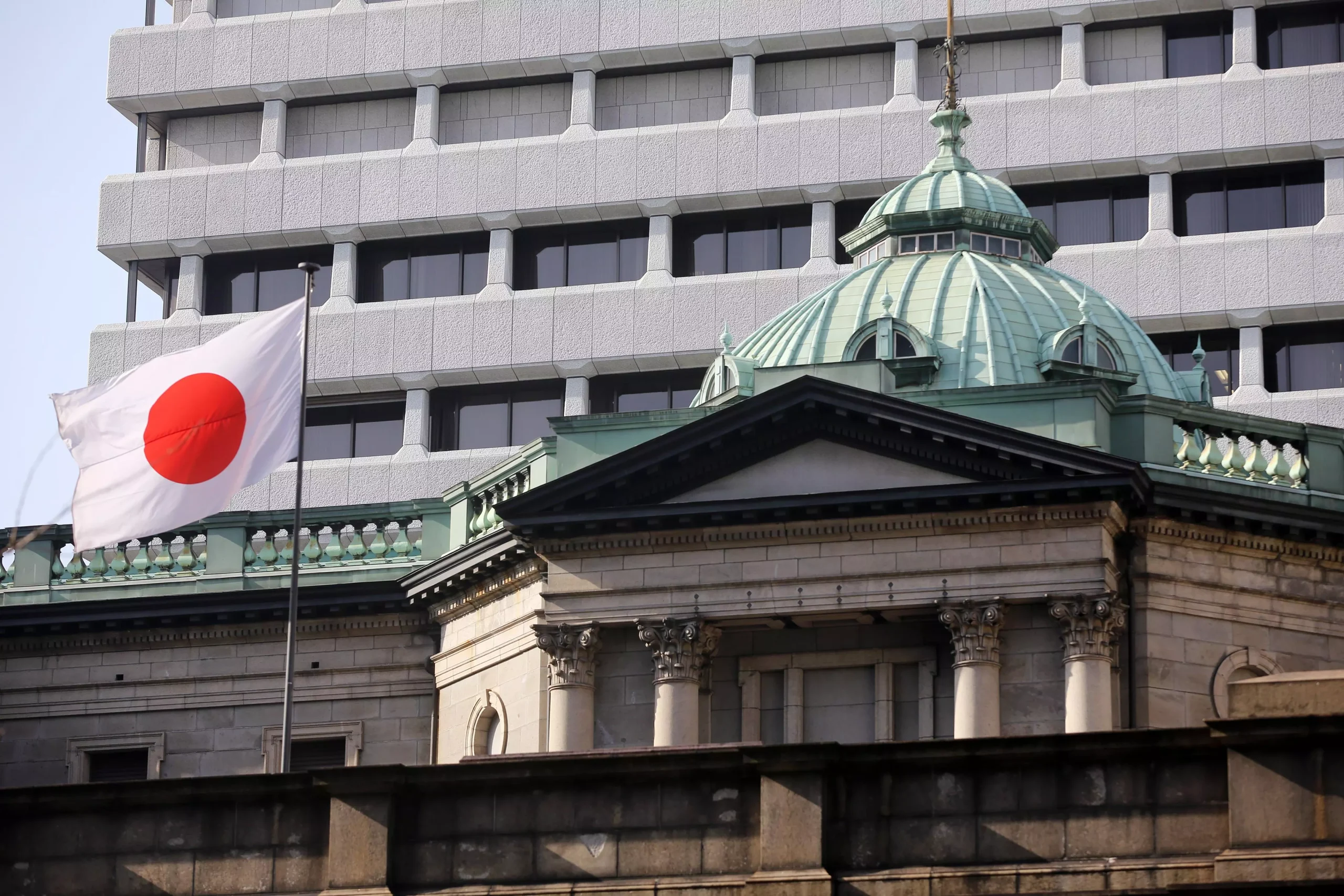
The Bank of Japan is expected to keep interest rates unchanged on Friday while signalling that further increases remain possible.
Policymakers face growing inflation risks linked to the Middle East conflict, a weak Japanese yen and strong global demand for artificial intelligence-related products.
However, the central bank is unlikely to provide a clear timetable for its next rate hike. Officials want more evidence showing whether higher energy and producer costs are spreading throughout the wider economy.
BOJ Expected to Maintain Rates at 1%
The Bank of Japan is widely expected to keep its policy rate at 1% when its two-day meeting concludes on Friday.
The central bank raised rates in June, making another immediate increase less likely. Nevertheless, investors expect Governor Kazuo Ueda to maintain a relatively hawkish tone.
Markets will focus on the BOJ’s quarterly economic outlook and Ueda’s post-meeting press conference for clues about the timing of future policy tightening.
The meeting will also be the first for Ayano Sato, who joined the board on June 30. She is the second board member selected by Prime Minister Sanae Takaichi, whose economic position is generally considered more dovish.
Ueda Faces Pressure From Markets and Government
Governor Ueda must balance two competing pressures.
On one side, hawkish communication could support the yen and discourage traders from betting on further currency weakness. On the other, stronger signals about rate hikes could create tension with a government that appears cautious about additional monetary tightening.
Analysts at Mitsubishi UFJ Morgan Stanley Securities expect the BOJ to maintain its view that inflation risks remain tilted to the upside.
They currently forecast the next rate increase in December. However, they believe the move could come as early as September or October if inflation accelerates or the yen continues to weaken sharply.
BOJ May Upgrade Its Growth Forecast
The BOJ is expected to revise its fiscal 2026 economic growth forecast higher.
Concerns that the Middle East conflict could cause severe economic damage have eased following the recent reduction in hostilities. This may encourage policymakers to adopt a more positive view of Japan’s growth outlook.
In April, the BOJ forecast that the economy would expand by 0.5% during fiscal 2026.
Inflation Forecast Could Be Lowered Slightly
The central bank may reduce its fiscal 2026 inflation forecast because of government subsidies and the recent decline in oil prices from April’s elevated levels.
However, any downgrade is expected to be limited.
Oil markets remain volatile, while the weak yen continues to raise the cost of imported energy, food and raw materials.
The BOJ previously forecast core consumer inflation of 2.8% for fiscal 2026.
Inflation Risks Remain Above the BOJ Target
Although the immediate threat of an oil-driven inflation shock has weakened, the Bank of Japan is expected to maintain its warning that inflation could exceed its 2% target.
Many Japanese companies have announced plans to increase prices for food and everyday goods.
The BOJ’s latest Tankan survey also showed that corporate inflation expectations had reached record levels. Meanwhile, regional economic reports indicated that higher energy and import costs were encouraging more businesses to plan price increases later in the year.
These developments strengthen the case for further interest rate hikes.
Weak Yen Adds to Price Pressures
The persistent weakness of the Japanese yen remains another major concern for policymakers.
A weaker currency increases the cost of imported goods and can push consumer prices higher. The yen recently fell to a 40-year low against the U.S. dollar after rising oil prices increased expectations of further U.S. interest rate hikes.
Higher U.S. rates tend to support the dollar and widen the interest-rate gap between the United States and Japan.
Hawkish communication from the BOJ could help slow the yen’s decline, even without an immediate rate increase.
BOJ Officials Build the Case for Further Hikes
Some hawkish members of the BOJ board have called for faster policy tightening.
A summary of the June meeting showed that these officials want the policy rate to move closer to a neutral level that neither stimulates nor restricts economic growth.
The combination of rising corporate inflation expectations, higher import costs and widespread price increases could encourage the central bank to act again before the end of the year.
Government Policy Could Complicate the Outlook
The Takaichi administration has focused on supporting economic growth through increased government spending.
Its economic plans also suggest that the Bank of Japan should coordinate its decisions with the government’s broader policy goals.
This could make it more difficult for the BOJ to raise rates aggressively, particularly if tighter financial conditions threaten economic activity.
October or December Rate Hike Seen as Likely
Upcoming consumer inflation figures will play an important role in determining the timing of the BOJ’s next move.
Policymakers will look for evidence that higher costs are producing lasting second-round effects, including broader price increases and stronger wage demands.
Economists surveyed by Reuters expect the Bank of Japan to raise its policy rate to 1.25% by the end of December. Some analysts believe the increase could arrive as early as October.
For now, the BOJ is likely to keep rates unchanged while preserving a hawkish bias and leaving the door open to further tightening.