Singapore’s central bank unexpectedly tightened monetary policy for the second meeting in a row on Monday, highlighting continued concerns about inflation.
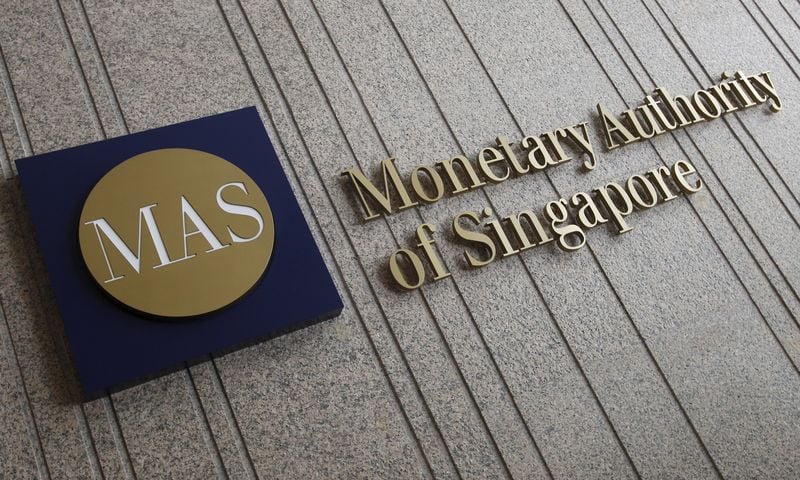
The Monetary Authority of Singapore said the decision also reflected confidence that the country’s economy could withstand slightly tighter financial conditions.
MAS Makes a Smaller Policy Adjustment
The Monetary Authority of Singapore, or MAS, announced a small increase in the rate of appreciation of the Singapore dollar nominal effective exchange rate policy band.
However, the central bank left both the width and midpoint of the S$NEER band unchanged.
The latest adjustment was smaller than the tightening introduced at the previous policy meeting in April.
Decision Catches Economists by Surprise
The move surprised most economists and financial market participants.
A Reuters survey conducted before the announcement showed that 12 of 16 economists expected the MAS to leave monetary policy unchanged. Only four economists predicted another tightening.
The decision suggests that policymakers remain cautious about future inflation, even though recent price data has shown signs of improvement.
Singapore Inflation Could Rise Again
MAS expects core inflation to increase from July and remain relatively high before easing around the middle of 2027.
The central bank warned that external price pressures could continue to pass through to domestic prices. This could raise costs for businesses and consumers.
Singapore is particularly exposed to imported inflation because it relies heavily on overseas goods, energy and raw materials.
Core Inflation Slows in June
Singapore’s core inflation rate eased to 1.6% year-on-year in June.
Despite the slowdown, MAS appears concerned that the decline may not continue in the coming months.
The central bank’s tighter policy stance indicates that it wants to prevent another increase in imported inflation before price pressures become more persistent.
Strong Economic Growth Supports Tightening
Singapore’s economy expanded by a stronger-than-expected 5.7% during the second quarter.
Growth was supported by resilient international demand and continued investment in industries linked to artificial intelligence.
The solid economic performance gave MAS more room to tighten policy without creating significant risks for overall growth.
How Singapore’s Monetary Policy Works
Unlike many central banks, the Monetary Authority of Singapore does not mainly use interest rates to manage inflation.
Instead, it controls monetary policy through the exchange rate.
MAS allows the Singapore dollar to rise or fall within an undisclosed policy band. A stronger currency can reduce the cost of imported goods and help control inflation.
By slightly increasing the pace of appreciation of the Singapore dollar, policymakers aim to limit future price pressures.
Singapore Dollar Shows Limited Reaction
Following the announcement, the Singapore dollar traded largely unchanged against the U.S. dollar.
The limited market response may reflect the relatively small size of the policy adjustment.
However, the decision still sent a clear signal that MAS remains focused on controlling inflation despite softer recent data.