U.S. Completes 11th Night of Strikes Against Iran
The U.S. military completed an eleventh consecutive night of attacks against Iran on Tuesday, according to U.S. Central Command.
Meanwhile, Defense Secretary Pete Hegseth told lawmakers that the estimated cost of the conflict had reached $37.5 billion.
CENTCOM said the latest operation targeted Iranian military assets. The stated objective was to weaken Iran’s ability to threaten commercial vessels travelling through the Strait of Hormuz.
Iran Retaliates Against U.S. Facilities
Iran responded to the latest American strikes with drone and missile attacks against U.S. military facilities in Kuwait.
The exchange marked another escalation in the conflict, which has continued for nearly two weeks without a clear path toward de-escalation.
Tensions increased further after President Donald Trump threatened to strike a suspected Iranian nuclear facility known as Pickaxe Mountain, or Mount Kolang.
Trump suggested that an attack on the site could happen soon and involve significant military force.
Iran Warns Against Attacks on Nuclear Sites
Iran strongly condemned Trump’s threat and warned that any attack on its nuclear infrastructure could trigger a major expansion of the war.
Reports indicate that Tehran transferred thousands of uranium-enrichment centrifuges to the facility. The site is believed to be located deep inside a mountain, making it more difficult to target.
The possibility of an American attack on the facility has therefore become a major point of concern for regional governments and international markets.
Strait of Hormuz Remains at Centre of Conflict
Iran continued targeting oil tankers in the Strait of Hormuz this week.
Tehran also claimed that it controls the strategic waterway and said ships attempting to pass through it must coordinate with Iranian authorities.
However, U.S. Central Command said on Tuesday that the Strait of Hormuz remained open to commercial traffic.
The waterway is one of the world’s most important energy routes. Any sustained disruption could affect global oil supplies, shipping costs and inflation.
Houthi Blockade Threatens Red Sea Shipping
The conflict could also expand into another major shipping corridor.
Yemen’s Iran-backed Houthi movement announced what it described as a naval blockade against Saudi Arabia. The group also warned vessels against operating in the Red Sea.
The announcement raised concerns about further disruption to international trade and energy transportation.
Both the Red Sea and the Strait of Hormuz play critical roles in global commerce. Escalating military activity around these routes could place additional pressure on oil prices and supply chains.
Iran War Cost Reaches $37.5 Billion
Hegseth told Congress that the direct cost of the U.S. military campaign against Iran had risen to $37.5 billion.
His testimony came as the Trump administration requested additional military funding from lawmakers.
The White House is seeking a supplemental package worth approximately $90 billion. A large portion of that funding would be allocated specifically to the Iran conflict.
Pentagon Estimate Covers Costs Through September
According to Hegseth, the $37.5 billion figure includes military payroll, operations, maintenance and other expected expenses.
The estimate covers anticipated costs through the end of the U.S. fiscal year in September.
However, other reports suggest that the total financial impact may be considerably higher.
NBC News reported that an internal Pentagon assessment placed the overall cost between $80 billion and $100 billion.
A significant part of the higher estimate reportedly relates to repairing U.S. military bases damaged by Iranian attacks.
Congress Examines Additional Military Funding
The congressional hearing focused heavily on the administration’s request for further war funding.
Lawmakers questioned the scale of the expenses and the possible long-term financial consequences of the conflict.
The difference between Hegseth’s public estimate and the higher figures reportedly circulating within the Pentagon could increase scrutiny of the administration’s calculations.
Further costs may also emerge if the fighting continues, more military facilities are damaged or additional forces are deployed.
War Spending Faces Political Scrutiny
The financial cost of the Iran war is becoming an increasingly sensitive political issue.
Both lawmakers and members of the public are examining the administration’s military strategy and the growing demand for federal funding.
War-related spending could become particularly important as the United States approaches the November midterm elections.
The Trump administration may face pressure to explain both the objectives of the campaign and the amount of money required to continue it.
Rubio Says Diplomacy Remains Possible
Despite the continuing military operations, Secretary of State Marco Rubio said Washington remained willing to negotiate an end to the crisis.
Speaking at an event in Manila, Rubio said the United States was still committed to a diplomatic solution.
However, he accused Tehran of failing to approach negotiations seriously.
Rubio also repeated the U.S. position that Iran must not be allowed to control the Strait of Hormuz.
Mediators Seek an Interim Ceasefire
Reports earlier this week indicated that regional mediators were trying to revive an interim ceasefire agreement between the United States and Iran.
It remains unclear whether those efforts have made meaningful progress.
Meetings between Iranian and Pakistani government ministers have also kept hopes for diplomacy alive.
However, continued military strikes, retaliation and threats against nuclear and shipping infrastructure suggest that major obstacles remain.
Conflict Risks Further Escalation
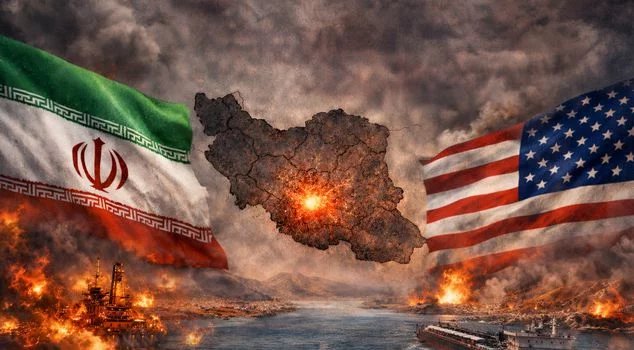
The completion of an eleventh round of U.S. strikes shows that the conflict remains highly active.
Iran’s retaliation, Trump’s threat against Mount Kolang and the Houthi warning in the Red Sea have increased the risk of a wider regional confrontation.
At the same time, the rising cost of the campaign is placing greater pressure on the Trump administration and Congress.
Markets and policymakers will now watch for signs of either a diplomatic breakthrough or another escalation involving Iran’s nuclear facilities and key global shipping routes.