Asian Stocks Rally as U.S.-Iran Peace Deal Lifts Sentiment
Asian stocks rose sharply on Monday after the United States and Iran announced a preliminary peace agreement.
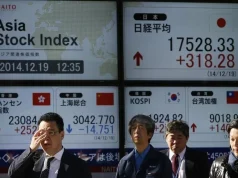
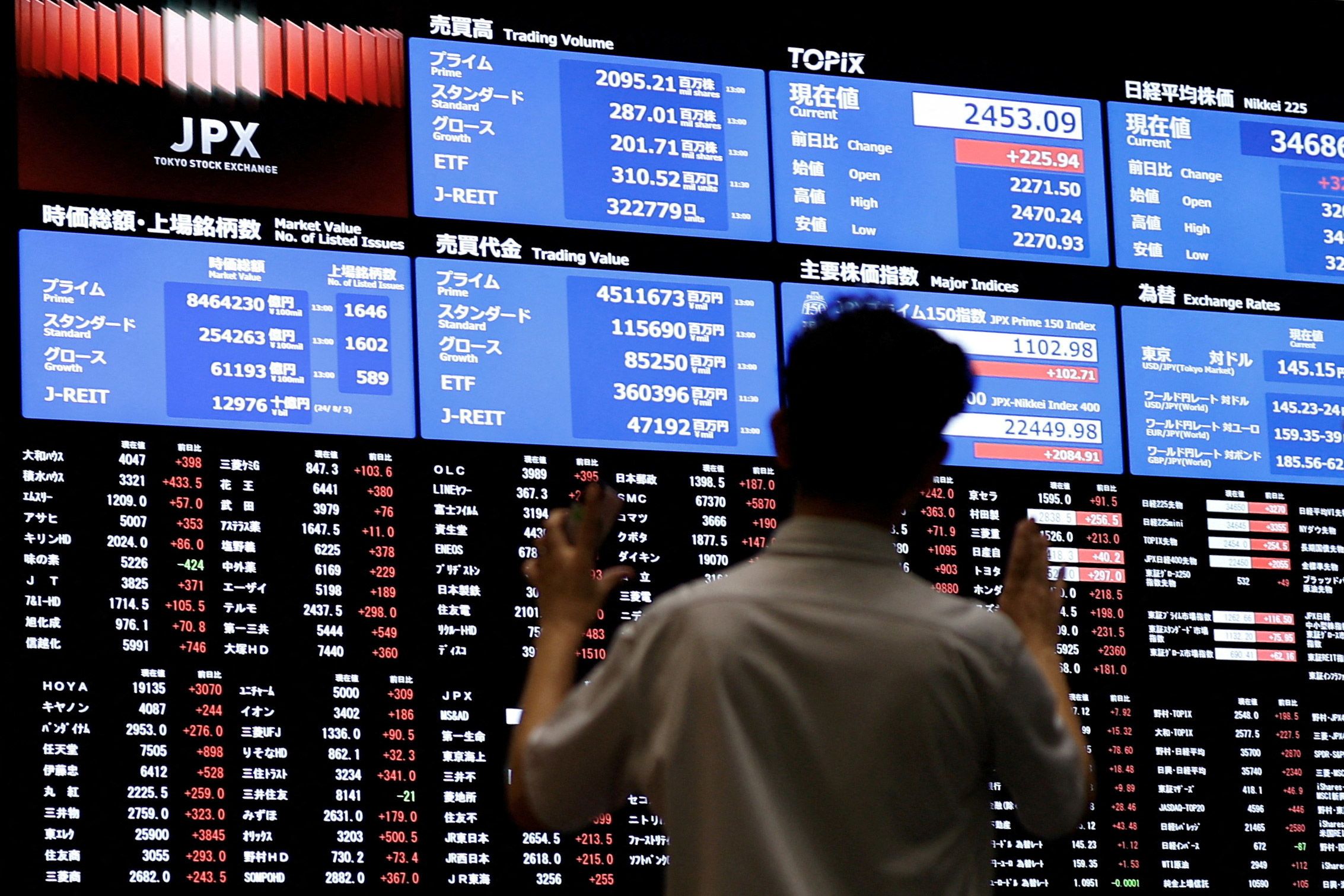
The development improved investor confidence and raised hopes that tensions in the Middle East could ease. Japanese shares led the broader rally, with major indexes reaching record highs ahead of a Bank of Japan policy meeting.
Regional markets also followed a strong finish on Wall Street on Friday. Investor enthusiasm surrounding SpaceX’s successful stock market debut helped support sentiment.
U.S. stock futures extended the positive momentum during Asian trading, with S&P 500 futures gaining around 1.1%.
U.S.-Iran Agreement Boosts Asian Markets
The United States and Iran said they had reached a memorandum of understanding aimed at ending their conflict.
The framework also includes plans to reopen the Strait of Hormuz, a vital route for global oil shipments. Both sides are expected to sign the agreement by Friday.
Washington and Tehran will then begin negotiations over Iran’s nuclear activities.
However, reports suggested that the United States could resume military action if the two countries fail to reach a broader nuclear agreement.
Despite the remaining uncertainty, the preliminary deal increased expectations for an immediate reduction in geopolitical tensions.
South Korean Stocks Lead Regional Gains
South Korea’s KOSPI was the strongest-performing major index in Asia.
The benchmark surged 5.6%, bringing it close to its previous record high.
Chinese markets also advanced. The CSI 300 gained 1.3%, while the Shanghai Composite rose 0.9%.
Hong Kong’s Hang Seng Index added 0.4%.
Elsewhere, Singapore’s Straits Times Index climbed 1.2%, while futures linked to India’s Nifty 50 rose 1.7%.
Falling Oil Prices Support Asian Economies
Oil prices declined sharply after the peace framework reduced fears of major supply disruptions.
The possibility of reopening the Strait of Hormuz also strengthened expectations that energy shipments could return to normal.
Lower oil prices are particularly positive for major Asian economies such as India, Japan and South Korea.
These countries depend heavily on imported oil, much of which passes through the Strait of Hormuz. Falling energy costs could reduce inflation, improve trade balances and support economic growth.
Nikkei 225 and TOPIX Reach Record Highs
Japanese equities rallied alongside other Asian markets.
The Nikkei 225 jumped 5.4%, while the broader TOPIX gained 3.6%.
Both indexes reached record highs as technology companies and other major sectors recorded strong gains.
Optimism surrounding the U.S.-Iran peace framework helped strengthen demand for Japanese stocks. However, investors are now preparing for a major Bank of Japan policy decision.
Bank of Japan Expected to Raise Rates
The Bank of Japan is widely expected to raise its benchmark interest rate by 25 basis points when its two-day meeting concludes on Tuesday.
The central bank has repeatedly indicated that a June rate increase remained possible. Rising inflation pressures linked to higher energy costs had strengthened the case for tighter monetary policy.
Although the peace framework may reduce some inflation concerns, investors will focus closely on the BOJ’s guidance for the coming months.
ANZ analysts expect the central bank to deliver a generally hawkish message, potentially signaling that further rate increases remain possible.
A stronger-than-expected policy stance could trigger profit-taking after the sharp rally in Japanese stocks.
Reserve Bank of Australia Decision Also in Focus
The Reserve Bank of Australia will also announce its latest interest-rate decision on Tuesday.
Markets widely expect the central bank to leave borrowing costs unchanged.
Australia’s ASX 200 gained 1.3% on Monday as improving global risk sentiment supported the local market.
Investors will also monitor the Federal Reserve later this week as several major central banks release policy decisions and economic guidance.