Asian Currencies Rise as Dollar Falls Following U.S.-Iran Truce
Asian currencies strengthened on Monday after an interim peace agreement between the United States and Iran improved investor sentiment. The Indian rupee led regional gains, while markets prepared for several major central bank decisions later this week.
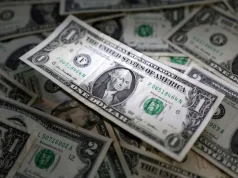
The U.S. Dollar Index declined by 0.3% during Asian trading. It fell for a third consecutive session and reached its lowest level in 10 days.
U.S.-Iran Peace Framework Boosts Asian Markets
Washington and Tehran reportedly agreed on a framework aimed at ending their conflict. The plan also includes lifting the U.S. blockade of Iran and reopening the Strait of Hormuz.
The Strait of Hormuz is one of the world’s most important routes for global oil shipments. Both countries are expected to meet in Switzerland on June 19 to formally sign the agreement.
The announcement encouraged investors to move toward risk-sensitive assets and reduced demand for the U.S. dollar as a safe haven.
However, analysts at MUFG warned that the agreement’s long-term success will depend on the final terms, which have not yet been released.
Oil Prices Slide Nearly 5%
Brent crude oil futures dropped by almost 5% following news of the peace framework.
Lower oil prices eased concerns about energy-driven inflation. They also weakened demand for the dollar, which often attracts investors during periods of geopolitical uncertainty.
Falling crude prices could provide additional support for Asian economies that rely heavily on imported energy.
Indian Rupee Leads Regional Currency Gains
The Indian rupee recorded the strongest gains among major Asian currencies.
The USD/INR exchange rate fell by 0.5% to 94.59 rupees, its lowest level since early May. The pair had reached a record high of 97 rupees during the previous month.
Lower crude oil prices are generally positive for India because the country imports a large share of its energy needs. The decline could also encourage foreign investors to return to Indian financial markets.
Australian Dollar and Asian FX Strengthen
Other Asian currencies also gained against the U.S. dollar.
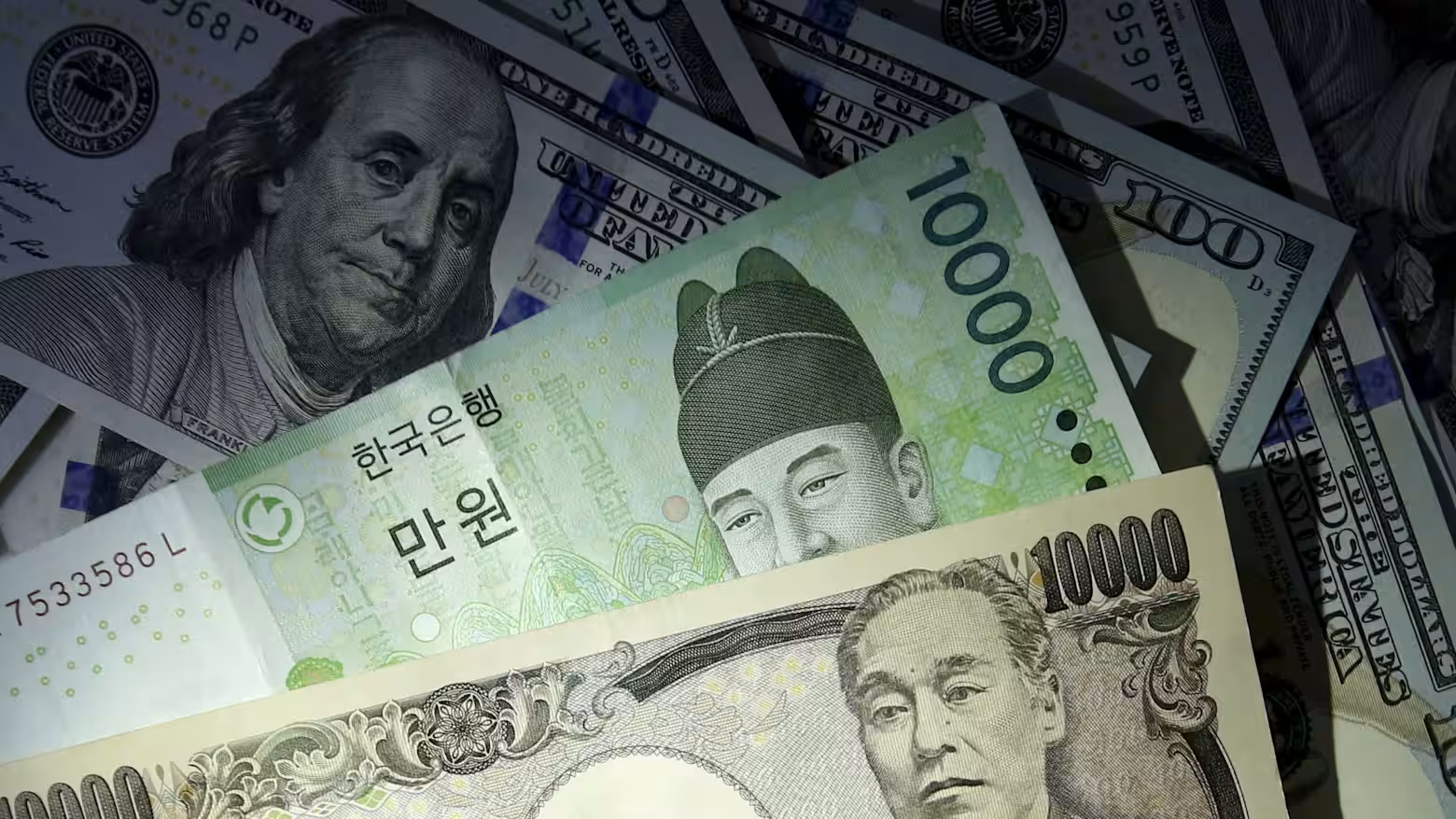
The USD/KRW pair declined by 0.4% as the South Korean won strengthened. Meanwhile, the USD/SGD exchange rate slipped by 0.2%.
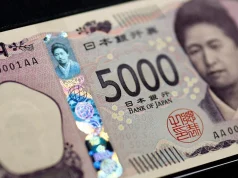
The Japanese yen and Chinese yuan also posted modest gains. Both USD/JPY and the onshore USD/CNY pair moved around 0.1% lower.
The Australian dollar performed strongly, with the AUD/USD pair rising by approximately 0.5%.
Federal Reserve Decision Takes Center Stage
Investor attention is now turning toward a busy schedule of central bank meetings.
The U.S. Federal Reserve will conclude its two-day policy meeting on June 17. Markets widely expect the central bank to leave interest rates unchanged.
However, investors will closely examine the Fed’s updated economic forecasts and any guidance provided by Chair Kevin Warsh.
These signals could influence expectations for future U.S. interest rate changes and determine the dollar’s next major move.
Bank of Japan Expected to Raise Rates
The Bank of Japan is expected to raise its benchmark interest rate to 1% on June 16.
Such a move would bring Japanese interest rates to their highest level in more than three decades. A rate increase could provide further support for the yen against the dollar.
The Reserve Bank of Australia is expected to leave its monetary policy unchanged when it announces its decision on Tuesday.
More Central Bank Meetings Ahead
The Bank of England and the Swiss National Bank are also scheduled to announce interest rate decisions later this week.
Several emerging Asian economies will release policy updates as well. Central banks in Indonesia, Taiwan and the Philippines are all expected to announce their latest interest rate decisions.
As a result, currency markets could remain volatile as investors assess geopolitical developments, oil prices and changing global monetary policy expectations.