SpaceX Surges 19% in Historic Debut as Stocks Rise on Iran Peace Hopes
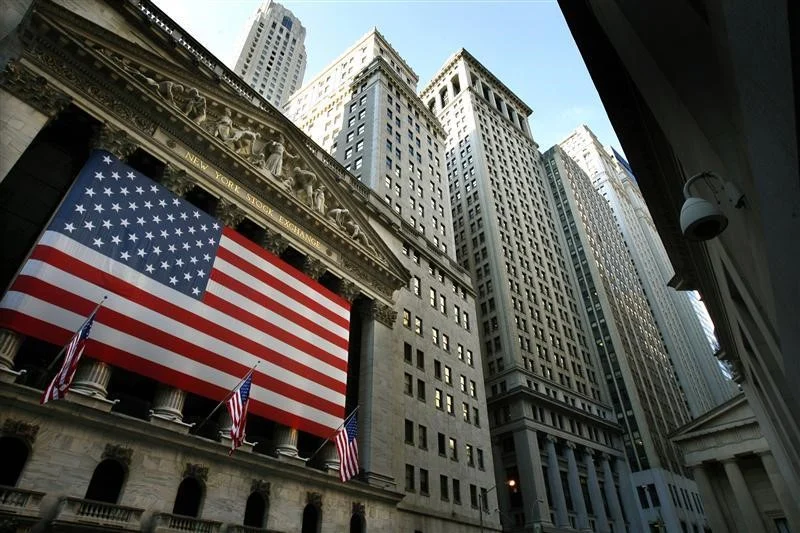
Wall Street closed higher on Friday as investors reacted positively to hopes for a U.S.-Iran peace deal, improving consumer sentiment, and a powerful market debut from SpaceX.
The rally helped U.S. stocks recover from earlier pressure during the week, while easing oil prices also reduced some concerns about inflation and future Federal Reserve rate hikes.
Wall Street Ends the Week Higher
The S&P 500 rose 0.5% to close at 7,430.86 points. The Dow Jones Industrial Average gained 0.7% to finish at 51,202.29 points, while the Nasdaq Composite added 0.3% to end at 25,888.84 points.
U.S. stocks had suffered one of their sharpest selloffs of the year last Friday. That decline came after strong jobs data increased expectations for possible Federal Reserve rate hikes and cooled enthusiasm around artificial intelligence stocks.
However, markets rebounded strongly in the latest sessions. For the week, the S&P 500 gained 0.6%, while the Nasdaq and Dow each advanced 0.7%.
José Torres, senior economist at Interactive Brokers, said the S&P 500 is once again moving close to record highs as bullish investors try to prove that the recent pullback was only a temporary retreat.
AI Spending and Lower Oil Prices Support Sentiment
Investor confidence improved as markets continued to bet on strong demand for artificial intelligence investment.
At the same time, oil prices fell to a two-month low, increasing hopes that inflation could ease again after the latest 4.2% reading.
Torres said investors are becoming more confident that AI-related capital spending will remain strong. He also noted that lower oil prices could help bring inflation back toward the 3% range.
A slightly more dovish shift in Fed rate expectations also helped equities attract buyers.
SpaceX Makes Historic Market Debut
SpaceX delivered one of the most closely watched IPO debuts in history.
The company priced its initial public offering at $135 per share and raised $75 billion, making it the largest IPO ever recorded. Shares opened at $150 on the Nasdaq and closed 19.2% higher at $160.95.
Earlier in the session, the stock had jumped as much as 30.8%.
At the closing price, SpaceX reached a valuation of around $2.11 trillion, based on 13.08 billion shares outstanding. At the session high of $176.52, the valuation briefly climbed to approximately $2.31 trillion.
The successful IPO also made founder Elon Musk the world’s first trillionaire, according to the report.
SpaceX IPO Tests Tech Market Appetite
Dan Coatsworth, head of markets at AJ Bell, said SpaceX broke records not only because of the amount of money it raised, but also because of the strength of its debut.
He noted that SpaceX’s opening gain of 11.1% was slightly stronger than Meta’s market debut, although smaller than the first-day jumps seen by Rivian, Alibaba, and Visa.
Analysts believe the scale of the SpaceX IPO could become an important test for investor appetite in large technology offerings.
The strong debut may also influence expectations for possible future IPOs from major artificial intelligence companies such as OpenAI and Anthropic.
Adobe Falls After CFO Departure
Away from SpaceX, Adobe shares dropped nearly 7% after the company announced another major leadership change.
Chief Financial Officer Dan Durn will leave the company to pursue a new professional opportunity. Steve Day, senior vice president of corporate finance, will serve as interim CFO.
This was the second consecutive quarter in which Adobe announced a top-level executive change, following the earlier news that CEO Shantanu Narayen would step down.
US-Iran Peace Deal Hopes Lift Markets
Investors also remained focused on developments surrounding a possible U.S.-Iran peace agreement.
President Donald Trump said on Thursday that a deal had largely been finalized and could be signed soon, possibly over the weekend.
He said the agreement would reopen the Strait of Hormuz, a key route for around one-fifth of the world’s oil and gas flows. Trump also said the deal would end the U.S. naval blockade of Iran’s ports and prevent Iran from obtaining a nuclear weapon.
The news initially lifted stocks and pushed oil prices lower, as traders priced in reduced geopolitical risk and weaker energy-driven inflation pressure.
Deal Uncertainty Remains
Iran’s Mehr News Agency reported that the memorandum of understanding could include the release of frozen Iranian funds. It also said final talks would focus on nuclear and economic issues, while leaving Iran’s missile program outside the agreement.
Trump strongly rejected those reports, saying the leaked terms did not match the written agreement.
His comments briefly raised doubts about the peace process. Additional uncertainty came after Israel’s defense minister said Israel would not withdraw from security zones in Lebanon, Syria, and Gaza.
Military activity involving Iran-backed Hezbollah in Lebanon has become one of the key issues in talks between Washington and Tehran.
Iran and Pakistan Signal Progress
Despite the uncertainty, Iran’s foreign minister Seyed Abbas Araghchi said a memorandum of understanding had “never been closer.”
He urged the media not to speculate on the details until the agreement is finalized.
Pakistan, which has acted as a chief mediator between Washington and Tehran, also sounded optimistic.
Prime Minister Shehbaz Sharif said a final agreed text had been reached and that Pakistan was working with both sides to complete the next steps.
His comments helped support hopes that a peace deal could still move forward.
Oil Prices Drop to Early March Levels
Brent crude futures for August delivery fell sharply as peace hopes reduced fears of supply disruptions.
The global oil benchmark was last down 3.9% at $86.90 per barrel, its lowest level since early March.
Oil initially fell as much as 5% after Trump’s comments about a possible agreement. Prices briefly recovered after his later criticism of Iran, but moved back toward session lows after positive comments from Iran and Pakistan.
Lower oil prices helped support stocks by easing concerns about inflation and future interest rate increases.
Consumer Sentiment Improves
Friday’s economic calendar also included the University of Michigan’s preliminary consumer survey for June.
The headline consumer sentiment index rose to 48.9 from 44.8 in May, as lower gasoline prices offered some relief to households.
Inflation expectations also moved lower. One-year inflation expectations slipped to 4.6% from 4.8%, while long-term expectations fell to 3.4% from 3.9%.
The data came after U.S. consumer and producer inflation reports showed that rising oil prices from the Iran conflict had pushed headline inflation higher, although core inflation readings were milder.
Fed Outlook Remains in Focus
With inflation still above the Federal Reserve’s target and the labor market remaining strong, markets continue to consider the possibility of future rate hikes.
Jeffrey Roach, chief economist at LPL Financial, said consumers expect recent price pressures to ease if the Iran conflict calms and supply chains improve.
He added that the latest data on business and consumer activity suggest the Fed may keep rates unchanged for the next few meetings. However, if the conflict continues throughout the summer, stronger inflation pressure could weigh on economic growth.