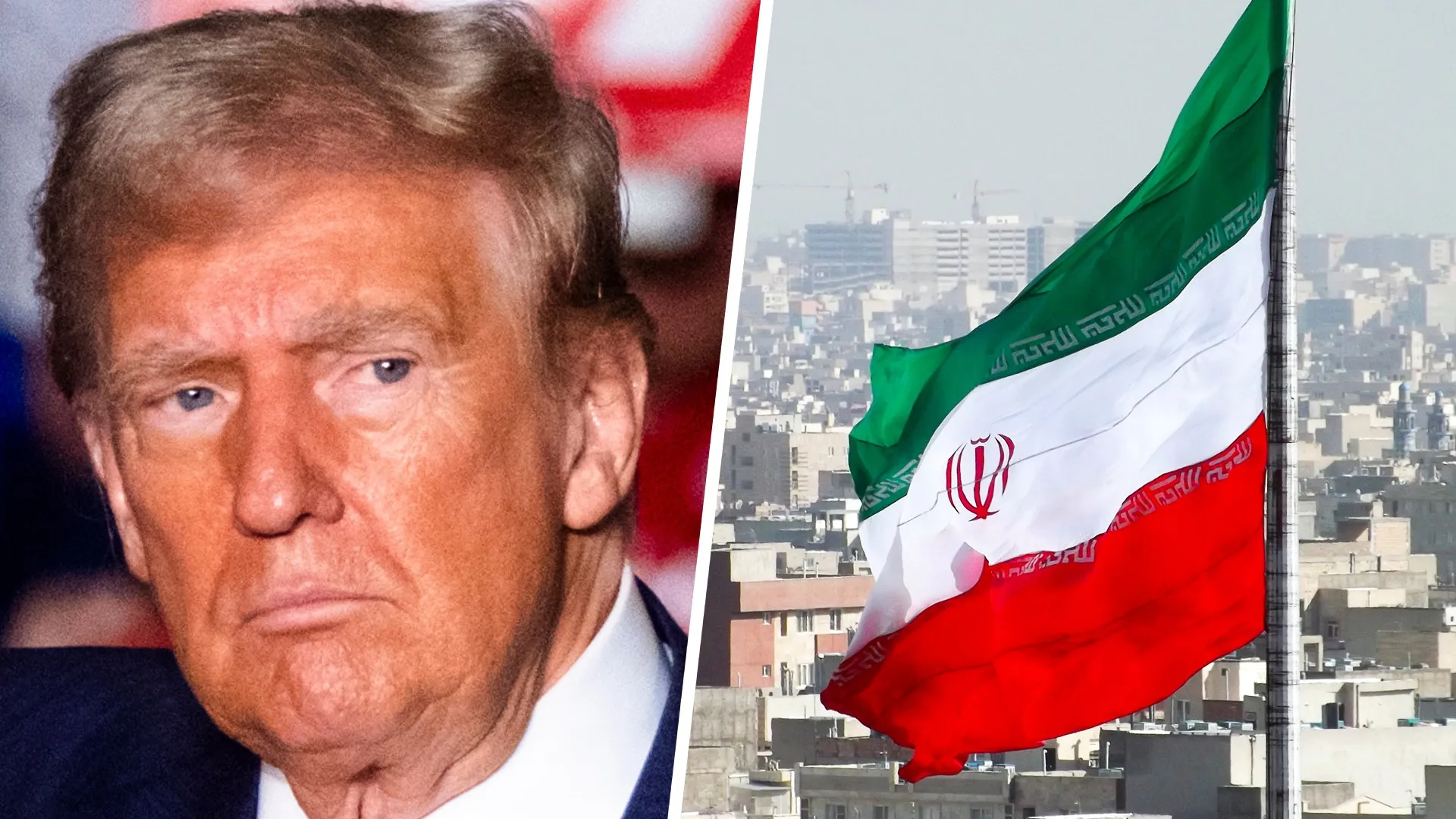
Trump Warns Iran of Consequences as Middle East Tensions Escalate
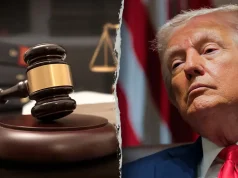
President Donald Trump warned on Wednesday that Iran would face consequences for taking too long to negotiate a peace agreement, just hours after the United States carried out fresh military strikes against Iranian targets.
In a social media statement, Trump claimed that Iran’s military capabilities had been severely weakened following months of joint operations involving the United States and Israel. He also reiterated his view that Tehran had missed opportunities to reach a diplomatic resolution to the conflict.
New US Strikes Target Iranian Military Assets
The latest escalation came after American forces launched attacks against several targets inside Iran in response to a recent incident involving a U.S. military helicopter near the Strait of Hormuz.
According to U.S. Central Command, the operation targeted Iranian air defense systems and satellite radar installations. Officials have not yet provided a full assessment of the damage caused by the strikes.
Reports also suggest that the White House is considering additional military action, with media outlets indicating that potential targets could include key infrastructure facilities.
Iran Responds With Regional Counterattacks
Iran responded by launching attacks against U.S. military bases in Kuwait and Bahrain, intensifying an already volatile conflict that has entered its fourth month.
The Associated Press reported that several missiles were intercepted over Jordan as regional tensions continued to spread beyond the immediate conflict zone.
Iran has denied responsibility for the earlier helicopter incident that triggered the latest American response, but both sides continue to exchange accusations as military activity escalates.
Diplomatic Efforts Face Growing Challenges
Iranian Foreign Minister Abbas Araghchi issued a strong warning to Washington, stating that Iran would respond to any future threats or attacks.
The exchange of military actions has complicated efforts to revive negotiations aimed at ending the conflict and restoring stability across the region.
Earlier this week, optimism briefly emerged after Iran and Israel reportedly agreed to halt direct strikes against one another following calls for de-escalation. However, progress toward a broader peace agreement between Washington and Tehran remains limited.
Strait of Hormuz Remains a Critical Flashpoint
One of the most significant issues in the conflict remains the Strait of Hormuz, a strategic waterway through which roughly one-fifth of global oil supplies pass.
Iran continues to maintain influence over the shipping route, while the United States has kept restrictions and military pressure on Iranian maritime operations.
The ongoing standoff has raised concerns about global energy supplies and increased fears that disruptions could push oil prices even higher.
Higher Oil Prices Raise Inflation Concerns
Energy markets remain highly sensitive to developments in the Middle East. Oil prices continue to trade well above pre-conflict levels, fueling concerns about inflationary pressures across the global economy.
Rising energy costs could complicate the outlook for central banks, including the Federal Reserve, as policymakers weigh the impact of geopolitical risks on inflation and interest rate decisions.
With military tensions intensifying and diplomatic progress remaining limited, investors are closely monitoring developments that could have significant implications for global markets, energy prices, and economic growth.