Asian Currencies Hold Steady as Markets Watch US-Iran Tensions and Key CPI Report
Asian currencies traded in a narrow range on Wednesday, while the U.S. dollar remained largely unchanged as investors assessed escalating tensions between the United States and Iran and awaited a crucial U.S. inflation report.
The U.S. Dollar Index was little changed during early trading but remained close to a two-month high reached earlier this week, reflecting ongoing demand for safe-haven assets amid geopolitical uncertainty.
US-Iran Conflict Keeps Markets on Edge
Market sentiment remained cautious after Iran announced strikes targeting U.S. military facilities in Jordan and several Gulf nations.
The attacks were described as retaliation for military action ordered by President Donald Trump against Iranian targets near the Strait of Hormuz.
The latest escalation has renewed concerns about global energy supplies and pushed oil prices higher, increasing fears that inflationary pressures driven by energy costs could persist for longer than expected.
Asian Currency Performance Remains Mixed
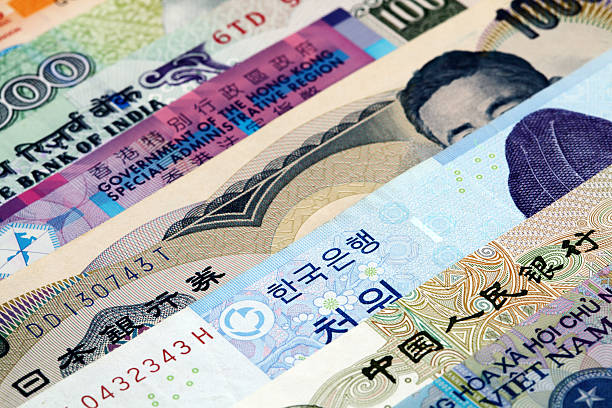
The Chinese yuan remained relatively stable against the U.S. dollar, with the USD/CNY pair showing little movement.
Economic data released on Wednesday indicated that China’s consumer inflation remained subdued in May, while producer price inflation accelerated to its highest level in nearly four years, highlighting ongoing pressure within the manufacturing sector.
Elsewhere in Asia, the South Korean won weakened slightly, with the USD/KRW pair rising 0.1%.
The Indian rupee and Singapore dollar both edged lower by approximately 0.1% against the U.S. dollar, while the Australian dollar declined 0.2%.
Japanese Inflation Data Supports BOJ Expectations
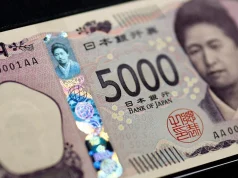
The Japanese yen traded mostly flat against the dollar as investors digested fresh inflation data.
Japan’s producer prices increased 6.3% year-over-year in May, exceeding market expectations and strengthening the case for further monetary policy normalization by the Bank of Japan.
The stronger-than-expected inflation reading has increased speculation that policymakers could continue adjusting interest rates at their upcoming meeting.
US CPI Report Takes Center Stage
Investors are now turning their attention to the latest U.S. Consumer Price Index (CPI) data, scheduled for release later on Wednesday.
The report is expected to provide important signals regarding the future direction of Federal Reserve monetary policy and interest rates.
According to analysts at MUFG, a stronger-than-expected inflation reading could reinforce expectations that U.S. interest rates will remain elevated for an extended period.
Higher inflation, combined with ongoing geopolitical tensions in the Middle East, could continue to support the U.S. dollar against major global currencies.
Federal Reserve Outlook Remains Key Market Driver
Markets continue to closely monitor inflation trends as they assess the Federal Reserve’s next policy move.
Current pricing in interest-rate futures markets suggests investors expect at least one rate increase this year, making inflation data one of the most important catalysts for currency markets in the near term.
With geopolitical risks rising and inflation concerns persisting, traders are likely to remain cautious until greater clarity emerges from both the Middle East and upcoming U.S. economic data.