US and Iran Reportedly Reach Tentative Peace Agreement Awaiting Trump Approval
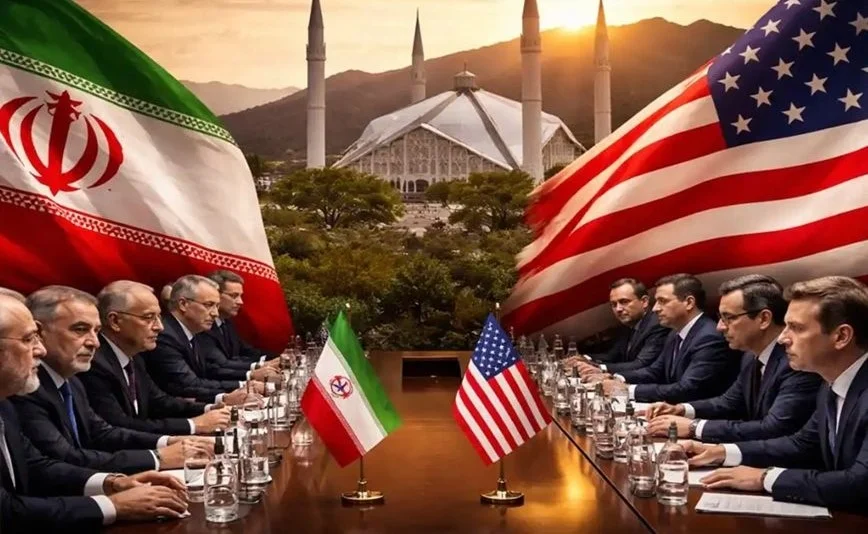
The United States and Iran have reportedly agreed on a framework to extend their existing ceasefire and continue negotiations surrounding Tehran’s nuclear program, according to multiple reports. However, the proposed agreement still requires final approval from U.S. President Donald Trump before it can move forward.
Financial markets reacted positively to the development, with U.S. stock futures moving higher while oil prices retreated as concerns over potential supply disruptions eased.
Draft Agreement Includes Ceasefire Extension
According to a report from Axios citing U.S. officials, Washington and Tehran have agreed in principle to a 60-day memorandum of understanding (MoU).
The agreement is designed to preserve the current ceasefire while both sides continue discussions on Iran’s nuclear activities and broader regional security issues.
Sources familiar with the negotiations said President Trump has already been briefed on the proposed framework and requested additional time to review the details before making a final decision.
Strait of Hormuz and Shipping Provisions
One of the most significant components of the proposed agreement involves maritime activity in the Strait of Hormuz, one of the world’s most important energy shipping routes.
The memorandum reportedly includes provisions for unrestricted commercial shipping through the waterway and the removal of the current U.S. naval blockade affecting Iranian ports and coastal areas.
In return, Iran would reportedly commit to abandoning efforts to develop a nuclear weapon, a key objective of ongoing negotiations.
Earlier Reports Revealed Additional Details
Iranian media previously reported that a draft version of the agreement could allow commercial shipping through the Strait of Hormuz to return to pre-conflict levels within one month.
The reports also suggested that Iran and Oman could jointly oversee shipping traffic through the strategic channel.
However, President Trump later downplayed those claims, arguing that no single nation should control access to the critical waterway.
Potential Breakthrough in a Long-Running Conflict
If finalized, the agreement would represent the most significant diplomatic breakthrough since the conflict escalated in late February following joint military operations involving the United States and Israel against Iranian targets.
Although a ceasefire has largely remained in place since early April, negotiations have continued amid persistent tensions and occasional military incidents.
A successful agreement could significantly reduce geopolitical risks across the Middle East and provide greater stability for global energy markets.
Recent Military Incidents Highlight Fragile Situation
Despite ongoing diplomatic efforts, tensions remain elevated.
Earlier this week, hopes for a peace agreement were briefly undermined following reports of renewed military activity in the Gulf region.
According to U.S. Central Command (CENTCOM), Iranian forces launched a ballistic missile toward Kuwait, which was intercepted by Kuwaiti defenses. CENTCOM also reported that multiple drones operating near the Strait of Hormuz were intercepted by U.S. forces.
The U.S. military described the incidents as violations of the existing ceasefire but emphasized that diplomatic efforts remained active.
Iran Responds to US Claims
Iranian state media offered a different account of the events, stating that Iranian naval forces fired warning shots at several vessels attempting to transit the Strait of Hormuz without authorization.
The reports also showed footage of Iranian military operations near Bandar Abbas following earlier incidents in the area.
The conflicting narratives highlight the fragile nature of the current ceasefire and the challenges facing negotiators as they attempt to secure a lasting agreement.
Middle East Tensions Remain Elevated
In addition to developments involving Iran, regional tensions continue elsewhere in the Middle East.
Israeli military operations targeting Hezbollah positions in southern Lebanon have continued, underscoring the broader security challenges facing the region.
While markets have responded positively to reports of a potential U.S.-Iran agreement, investors remain cautious as they await official confirmation and President Trump’s final decision on the proposed deal.