UK Economy Expands in First Quarter of 2026
The United Kingdom economy grew in line with expectations during the first quarter of 2026, supported by strong activity in the services sector despite mounting geopolitical tensions in the Middle East.
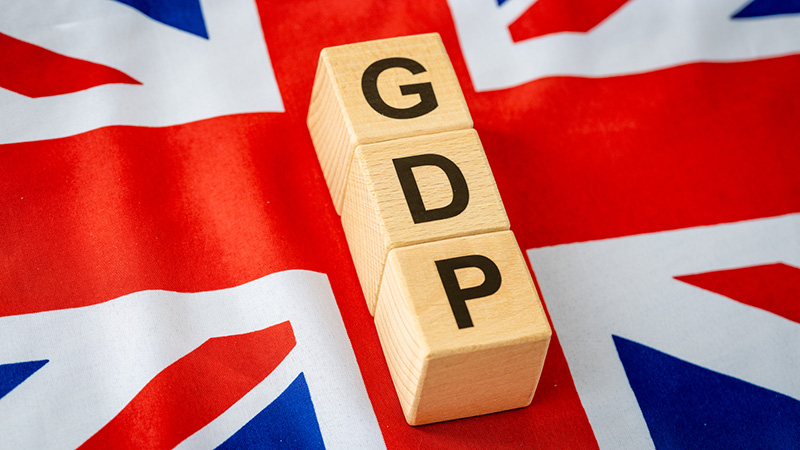
According to preliminary data released Thursday by the Office for National Statistics (ONS), UK gross domestic product (GDP) increased 0.6% quarter-on-quarter. This marked an improvement from the 0.2% growth recorded in the fourth quarter of 2025.
Annual GDP Growth Beats Forecasts
On a yearly basis, UK GDP expanded 1.1% in the three months ending March 31, surpassing analyst expectations of 0.8%.
Monthly economic activity also remained resilient. GDP rose 0.3% in March, outperforming forecasts that had predicted a 0.1% decline.
The stronger-than-expected performance came despite rising energy prices and disruptions to major global shipping routes linked to the escalating conflict in the Middle East.
Services Sector Leads Economic Growth
The UK services sector was the primary driver behind first-quarter economic growth, according to ONS data.
Construction and production output also recorded gains during the quarter, contributing to the overall expansion of the British economy.
Economic activity showed steady momentum throughout January and February. However, March introduced greater uncertainty as geopolitical tensions intensified following the U.S.-Israel conflict involving Iran.
Analysts Warn Growth Could Slow Later in 2026
Michael Brown, analyst at Pepperstone, said the first quarter could represent the strongest period of economic growth for the UK this year.
Brown warned that risks remain heavily skewed to the downside because of the ongoing Middle East conflict and the resulting increase in global energy prices.
He also stated that the latest GDP data is unlikely to significantly influence the Bank of England regarding interest rate decisions, with policymakers expected to maintain a cautious wait-and-see approach.
Political and Energy Risks Remain Key Concerns
The stronger economic reading may provide temporary support for Prime Minister Keir Starmer and his government, which continues to face declining public support amid expectations of rising inflation.
However, analysts noted that the UK economy has repeatedly shown strong first-quarter performance over recent years before slowing during the remainder of the year.
Growing risks tied to the Middle East energy shock could place additional pressure on the country’s already fragile manufacturing sector.
Political uncertainty in the UK, including speculation surrounding Starmer’s leadership, could also weigh further on economic confidence in the coming months.