Trump Signals Strait of Hormuz Could Reopen as Iran Peace Deal Talks Advance
U.S. President Donald Trump indicated that the Strait of Hormuz could soon reopen to global shipping if Iran agrees to Washington’s demands, raising optimism that a broader peace agreement to end the Middle East conflict may be approaching.
In a social media post, Trump stated that the U.S. military campaign against Iran, launched alongside Israel in late February, would come to an end if Tehran accepts what had already been discussed during negotiations.
However, Trump warned that military strikes could resume “at a much higher level and intensity” if talks collapse. He also claimed that “great progress” had been made toward reaching an agreement.
Despite the optimism, Trump later told the New York Post that it remains “too soon” to discuss possible face-to-face meetings with Iranian officials.
White House Reportedly Nearing Preliminary Agreement With Iran
According to a report from Axios, the White House believes it is close to finalizing a one-page memorandum of understanding with Iran that could formally end the conflict and establish the framework for broader nuclear negotiations.
U.S. officials reportedly expect Iran to respond to several major issues within the next 48 hours. While no final deal has been completed, officials described current negotiations as the closest both sides have come to ending the conflict since fighting erupted earlier this year.
Proposed Deal Includes Sanctions Relief and Hormuz Reopening
Under the reported framework, Iran would agree to temporarily halt nuclear enrichment activities.
In exchange, the United States would remove sanctions and release billions of dollars in frozen Iranian funds. Restrictions on the Strait of Hormuz would also reportedly be lifted, allowing commercial shipping and oil transit to resume through the strategic waterway.
An Iranian foreign ministry spokesperson confirmed that Tehran is currently reviewing Washington’s proposal. Pakistan, which has acted as a mediator between both countries, also reportedly stated that the U.S. and Iran are moving closer toward an agreement.
Iran Says It Wants a “Fair and Comprehensive” Agreement
Iranian Foreign Minister Abbas Araghchi said Tehran would only accept what it described as a “fair and comprehensive agreement” during negotiations with the United States.
Speaking during a visit to China after meeting senior Chinese officials, Araghchi stated that Iran would continue protecting its legitimate rights and national interests throughout the negotiation process.
China remains one of the largest buyers of Iranian oil, and reports suggest Beijing is encouraging Tehran to avoid escalating tensions ahead of a planned meeting between Chinese President Xi Jinping and Trump next week.
Oil Prices Pull Back as Markets React to Peace Hopes
Oil prices declined on Wednesday as traders reacted to growing expectations of a diplomatic breakthrough.
Brent crude futures fluctuated around the $100 per barrel level, although prices remain significantly above pre-war levels near $70 per barrel.
Global financial markets also moved higher, while U.S. stock futures advanced as investors welcomed signs of easing geopolitical tensions.
Trump Temporarily Halts “Project Freedom”
Earlier this week, Iran’s Revolutionary Guards Navy reportedly stated that safe and stable passage through the Strait of Hormuz would once again become possible.
According to Reuters, Iranian state media said the comments followed what Tehran described as the end of “threats from aggressors.”
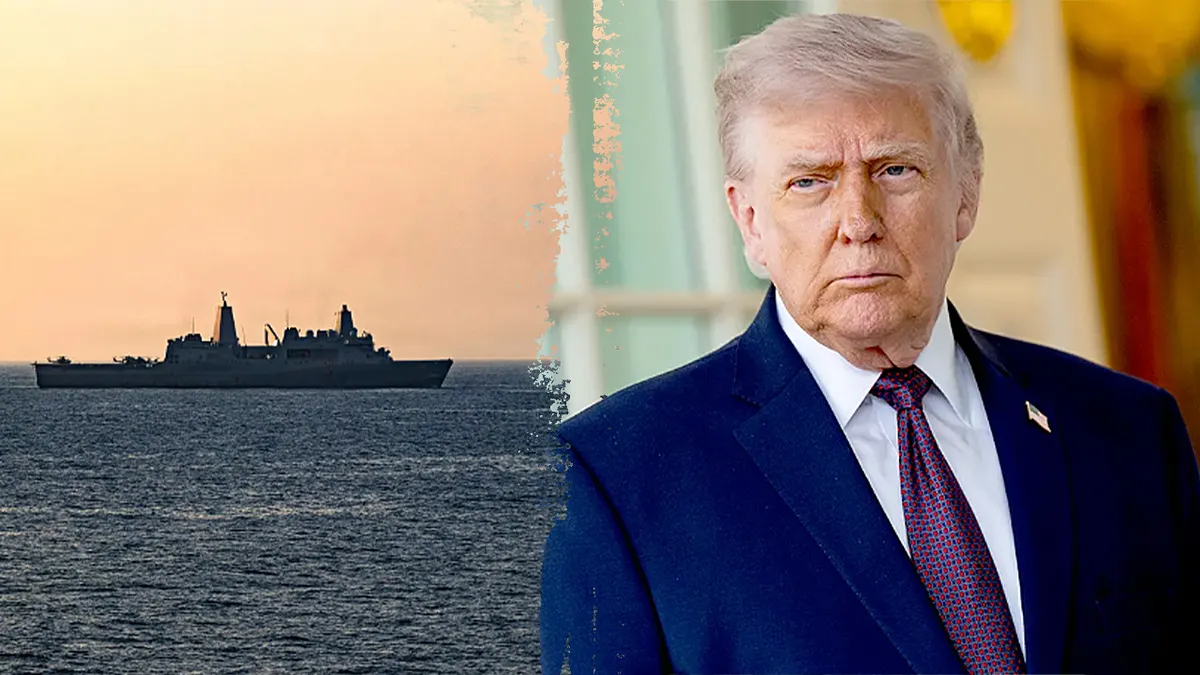
Trump also announced a temporary suspension of “Project Freedom,” the U.S.-led military initiative designed to reopen the Strait of Hormuz by escorting commercial ships through the region.
The operation, launched earlier this week, had intensified tensions and was followed by additional attacks in the Strait of Hormuz and nearby Gulf regions, including incidents targeting sites in the United Arab Emirates.
Trump said the pause was implemented following requests from Pakistan and several other countries.
Strait of Hormuz Remains Critical for Global Energy Markets
The Strait of Hormuz remains one of the most strategically important shipping routes in the world, handling roughly 20% of global oil supplies.
Despite the recent optimism, tanker traffic through the region remains heavily restricted as both the United States and Iran continue maintaining blockades.
Ongoing disruptions in the strait have fueled concerns about a global energy shock, rising inflation pressures, and a potential slowdown in worldwide economic growth.