Dollar Gains as Iran–U.S. Tensions Weigh on Ceasefire Outlook
The U.S. dollar moved slightly higher on Thursday and remained on track for a weekly gain, as rising tensions between Iran and the United States reduced confidence in a potential peace agreement and increased geopolitical uncertainty.
Strait of Hormuz Tensions Escalate
Concerns intensified after Iran demonstrated control over the Strait of Hormuz, a critical global energy corridor. Reports showed Iranian forces intercepting a major cargo vessel following the breakdown of peace negotiations that had aimed to stabilize shipping routes.
Tehran has stated it will not reopen the strait—through which roughly 20% of global oil and liquefied natural gas flows—unless the U.S. lifts restrictions on Iranian shipping. These restrictions, imposed during the ceasefire period, are viewed by Iran as a violation of the agreement.
Markets Caught Between Uncertainty and Risk
Market participants remain uncertain about the direction of the conflict. According to Steve Englander of Standard Chartered, investors are unsure whether the ceasefire will hold or collapse, leaving markets in a holding pattern.
He noted that the key concern for markets is whether military activity will resume, which would likely drive further volatility.
Safe-Haven Demand Supports the Dollar
The dollar has benefited from safe-haven demand amid ongoing uncertainty. While it strengthened in March due to escalating geopolitical risks, some gains were reversed earlier this month as optimism over a resolution briefly improved sentiment.
According to Jeremy Stretch of CIBC Capital Markets, investors are gradually rebuilding long dollar positions as the earlier “peace premium” fades.
Currency Markets Show Mixed Moves
The euro slipped slightly, trading at $1.1694 after touching its lowest level since mid-April, and is on track for its first weekly decline in four weeks. Meanwhile, the British pound edged lower to $1.3498, showing limited reaction to early signs of economic impact from the conflict.
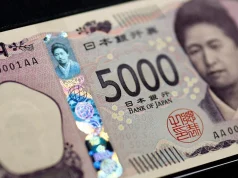
The Japanese yen weakened marginally to 159.5 per dollar, approaching levels that could trigger intervention concerns. The Bank of Japan is widely expected to keep interest rates unchanged in its upcoming meeting, although a potential rate hike later in the year remains on the table.
Dollar Index and Economic Data Support Outlook
The dollar index, which measures the greenback against a basket of major currencies, rose to 98.69 and is heading for a weekly gain of approximately 0.5%.
Beyond geopolitical developments, recent economic data continues to support the U.S. dollar. The labor market remains stable despite a slight increase in weekly jobless claims, reinforcing expectations that the Federal Reserve will delay interest rate cuts.
Fed funds futures currently indicate only a 29% probability of a rate cut by year-end, as investors factor in the potential inflationary impact of geopolitical tensions.
U.S. Economy Outperforms Peers
The U.S. economy appears better positioned than many of its global counterparts, including the eurozone. Some central banks abroad are even considering tightening policy in response to energy-driven inflation pressures.
Meanwhile, the European Central Bank is expected to keep rates steady at the end of April, with a possible rate hike anticipated in June.
Crypto Markets Under Pressure
In cryptocurrency markets, Bitcoin declined by 1.10% to $77,587, reflecting broader risk-off sentiment across financial markets.