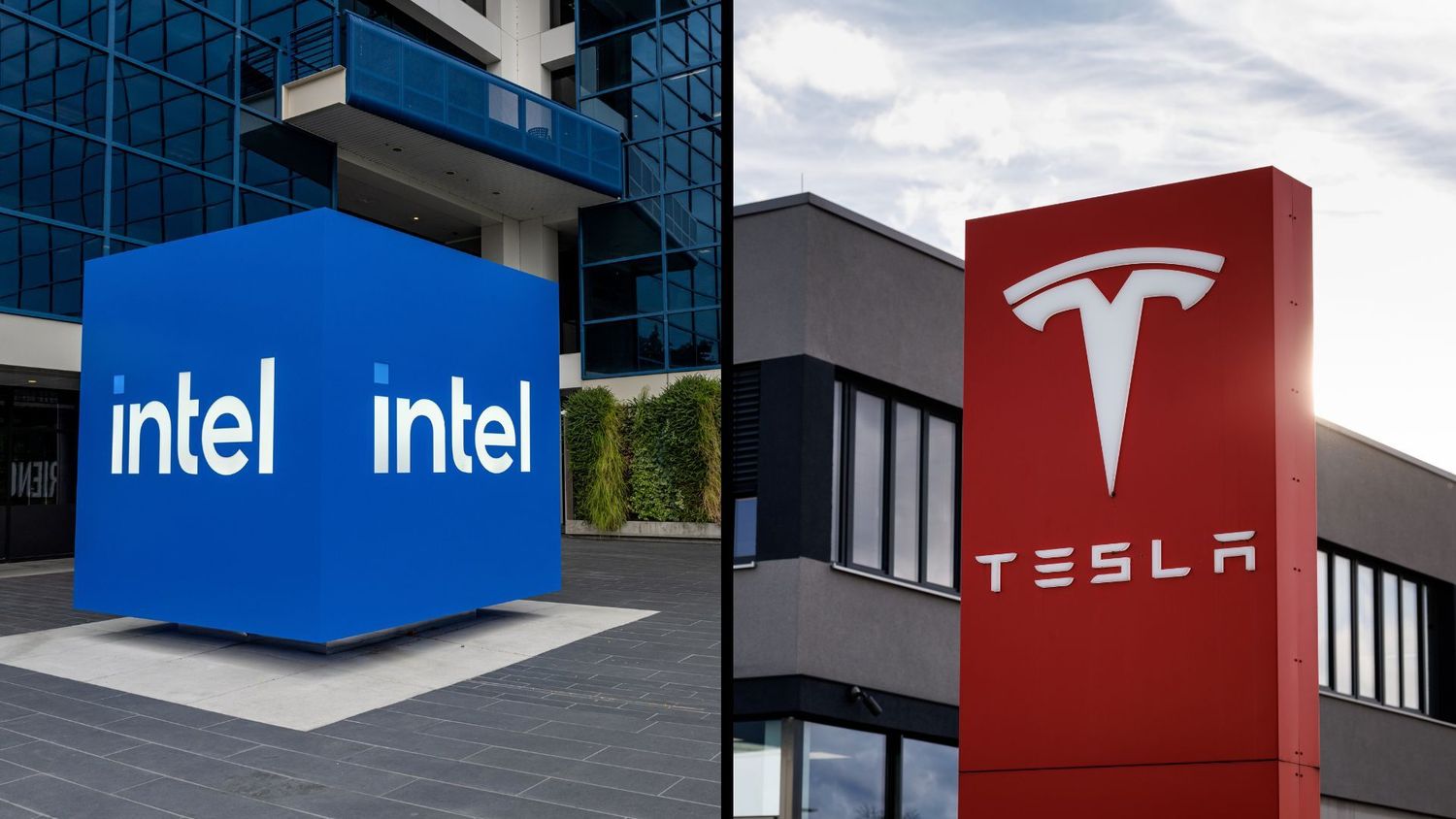
Tesla’s Terafab to Use Intel’s 14A Chip Technology
Tesla Inc. CEO Elon Musk revealed on Wednesday that the Terafab joint venture intends to utilize Intel Corporation’s advanced 14A manufacturing process for semiconductor production.
14A Process Still in Development
Speaking during Tesla’s post-earnings call, Musk noted that the 14A process is not yet fully completed. However, he expects it to become sufficiently mature by the time Terafab begins scaling operations. He did not specify an exact timeline for when the technology will be fully ready.
Intel Stock Reacts to the Announcement
Following Musk’s comments, Intel shares moved higher, gaining around 1.4% in premarket trading on Thursday. The development signals growing confidence in Intel’s next-generation chipmaking capabilities.
Competing with Global Chip Leaders
Intel’s 14A process is designed to rival the technology of Taiwan Semiconductor Manufacturing Company, one of the world’s leading chipmakers. However, Intel has yet to release detailed specifications about the new process.
Terafab: A Major AI Chip Manufacturing Initiative
Musk introduced Terafab earlier this year as a joint venture involving SpaceX, Tesla, and xAI. The project aims to build a fully integrated semiconductor manufacturing facility in the United States, focused primarily on producing chips for artificial intelligence applications.
Ambitious Production Goals
Musk has set an ambitious target for Terafab, aiming to reach 1 terawatt per year of compute capacity. This goal significantly exceeds the current global chip production levels, including those of Taiwan Semiconductor Manufacturing Company, the largest chipmaker worldwide.
Intel’s Role in the Venture
In April, Intel confirmed it would participate in the Terafab initiative by contributing its chipmaking technology. However, further details regarding the extent of its involvement have not yet been disclosed.