Trump Extends U.S.-Iran Ceasefire Amid Stalled Peace Talks
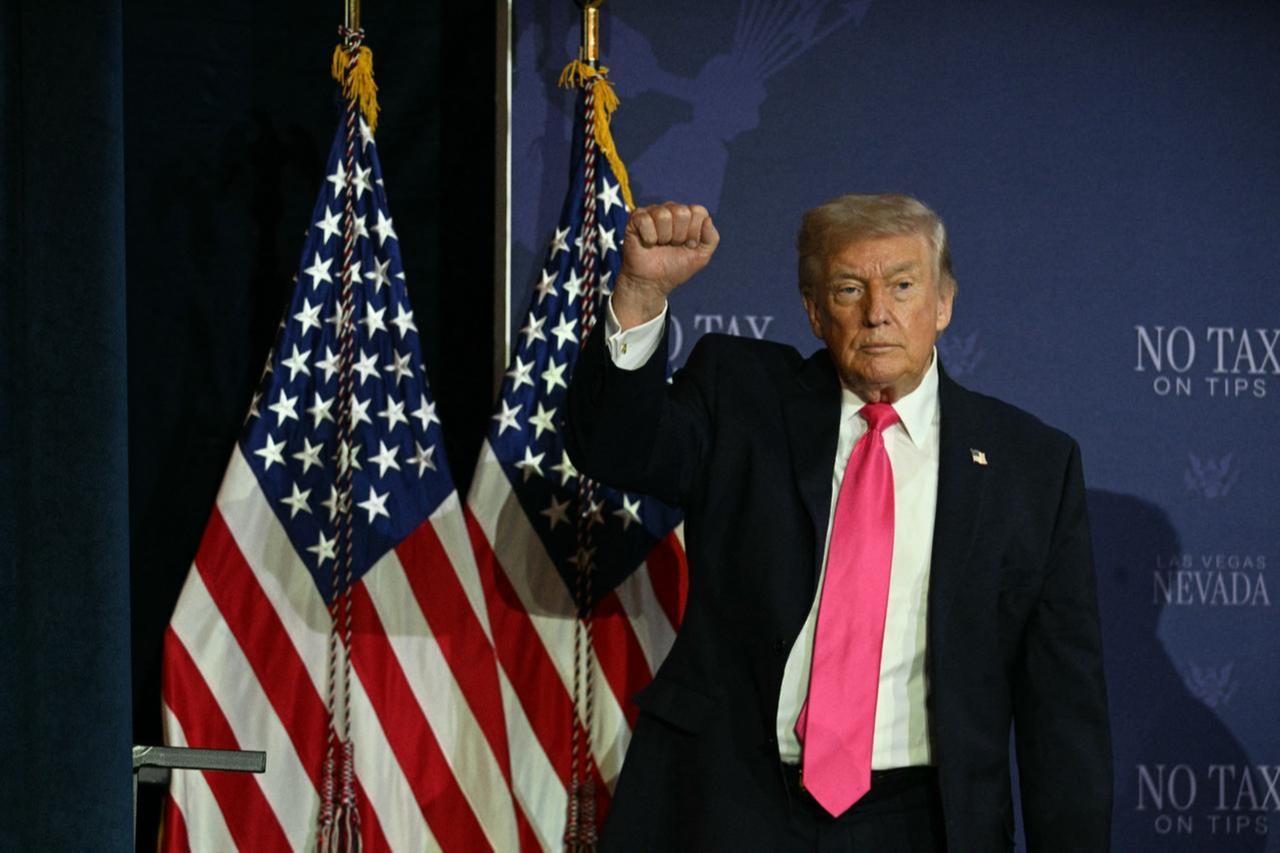
U.S. President Donald Trump announced on Tuesday that the ceasefire between the United States and Iran will be extended until Tehran presents a unified proposal for negotiations. The decision follows reports suggesting that upcoming peace talks between the two nations have broken down.
In a statement on Truth Social, Trump said the U.S. would pause further military action while awaiting a consolidated response from Iranian leadership.
Military Blockade Remains in Place
Despite extending the ceasefire, Trump confirmed that the U.S. military will continue its naval blockade against Iran. He emphasized that American forces remain fully prepared for any escalation, while negotiations are pending.
Later in the day, Trump claimed that Iran is losing approximately $500 million per day due to the blockade and reiterated that the Strait of Hormuz will remain closed.
Iran Yet to Respond as Talks Collapse
Iran has not issued an official response to the ceasefire extension. The country has consistently stated that it will not engage in negotiations while the U.S. blockade remains active.
The outlook for diplomatic progress remains uncertain after planned talks this week were effectively cancelled. Iran’s Tasnim News Agency reported that Iranian officials would not attend, while U.S. Vice President JD Vance also called off a scheduled trip, signaling a deepening impasse.
Conflicting Signals from Trump on Negotiations
Trump, who initially announced the ceasefire on April 7, claimed that Iran had violated the agreement multiple times, although no specific details were provided.
Despite earlier dismissing the possibility of extending the truce, Trump later expressed optimism about reaching a “great deal” with Iran, stating that the U.S. is in a strong negotiating position. His administration continues to push for an agreement that would stabilize financial markets and prevent Iran from advancing its nuclear program.
Rising Tensions in the Region
Geopolitical tensions remain elevated beyond U.S.-Iran relations. The Pentagon confirmed that it intercepted a sanctioned tanker in the Indo-Pacific as part of efforts to disrupt supply routes linked to Iran.
Meanwhile, Israel accused Hezbollah of launching rockets in southern Lebanon, calling it a violation of their existing ceasefire agreement and adding further instability to the region.
Strait of Hormuz Dispute Intensifies
The Strait of Hormuz remains a critical flashpoint in the conflict. The waterway, which handles roughly 20% of global oil supply, has been severely disrupted in recent weeks, contributing to higher oil prices and inflation concerns worldwide.
Iran has attempted to use control over the strait as leverage in negotiations, seeking sanctions relief and guarantees against renewed U.S. military action.
Although Iran briefly reopened the strait last week—sparking optimism in global markets—the situation deteriorated after the U.S. seized an Iranian-flagged vessel attempting to bypass the blockade.
Iran Calls Blockade an “Act of War”
Iranian officials have strongly condemned the U.S. naval blockade, labeling it an act of war and a violation of the ceasefire. Foreign Minister Abbas Araghchi criticized the seizure of commercial vessels, further escalating tensions.
Tehran maintains that the Strait of Hormuz remains effectively closed due to ongoing U.S. military actions.
Markets React to Ongoing Uncertainty
Financial markets have responded cautiously to the evolving situation. U.S. equities ended lower, while oil prices remained elevated compared to pre-conflict levels.
The combination of geopolitical risks, disrupted energy flows, and stalled diplomacy continues to weigh on global market sentiment.