Uncertainty Surrounds US-Iran Talks as Ceasefire Deadline Approaches
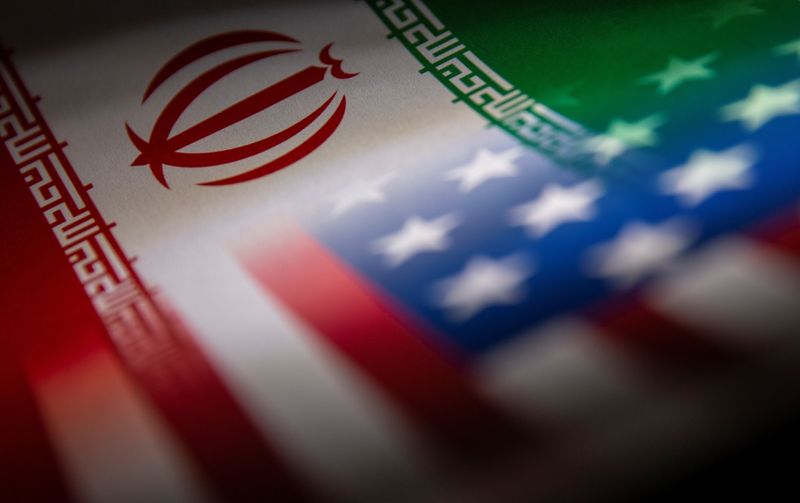
Uncertainty continues to cloud a potential new round of U.S.-Iran peace talks, as conflicting signals emerge over the timing of a U.S. delegation to Pakistan. While President Donald Trump suggested that envoys were set to arrive immediately, reports indicate that Vice President JD Vance has not yet departed Washington.
According to sources cited by the New York Post, Vance is now expected to leave on Tuesday, while the White House has provided no clear timeline, stating only that the delegation will travel “soon.”
Ceasefire Expiry Raises Tensions
The confusion comes at a critical moment, with a temporary two-week ceasefire between the United States and Iran set to expire later this week. Tensions have already escalated following the U.S. seizure of an Iranian-flagged vessel, raising doubts about whether negotiations will proceed.
Iran Rejects Further Negotiations
Iran has signaled that it will not participate in another round of talks, citing what it describes as excessive demands and inconsistent positions from Washington. State media reported that Tehran views ongoing U.S. actions, including a naval blockade, as violations of the ceasefire.
Iranian officials also expressed concerns over potential military escalation, with reports suggesting that Tehran suspects the U.S. may be preparing further action.
Diplomatic Efforts Face Major Obstacles
According to Reuters, Trump discussed the situation with Pakistan’s army chief, Asim Munir, including concerns that the U.S. naval blockade is complicating diplomatic progress. Iran, meanwhile, insists that negotiations cannot move forward without a clear framework and mutual understanding.
Officials emphasized that entering talks without defined terms could risk further escalation rather than resolution.
US Seizure of Iranian Vessel Escalates Conflict
The situation intensified after the United States intercepted an Iranian cargo ship attempting to bypass its naval blockade. The vessel was stopped in the Gulf of Oman by a U.S. Navy destroyer, and American forces have since taken control of it.
Iran strongly criticized the move, arguing that it undermines diplomatic efforts and violates international norms.
Strait of Hormuz Closure Reignites Market Concerns
Recent developments have reversed earlier optimism that the Strait of Hormuz would remain open. Iran has declared the strategic waterway closed again, raising concerns over global oil supply, as roughly 20% of the world’s oil passes through the strait.
As a result, oil prices rose on Monday after dropping sharply the previous week on hopes of a peace agreement.
Mixed Signals on Potential Resolution
Despite rising tensions, some U.S. officials remain cautiously optimistic. Energy Secretary Chris Wright suggested that progress is being made behind the scenes, describing negotiations as more constructive than public messaging indicates.
He also characterized Trump’s approach as a strategic mix of pressure and uncertainty, expressing confidence that a resolution could eventually be reached, although reopening key shipping routes may take time.