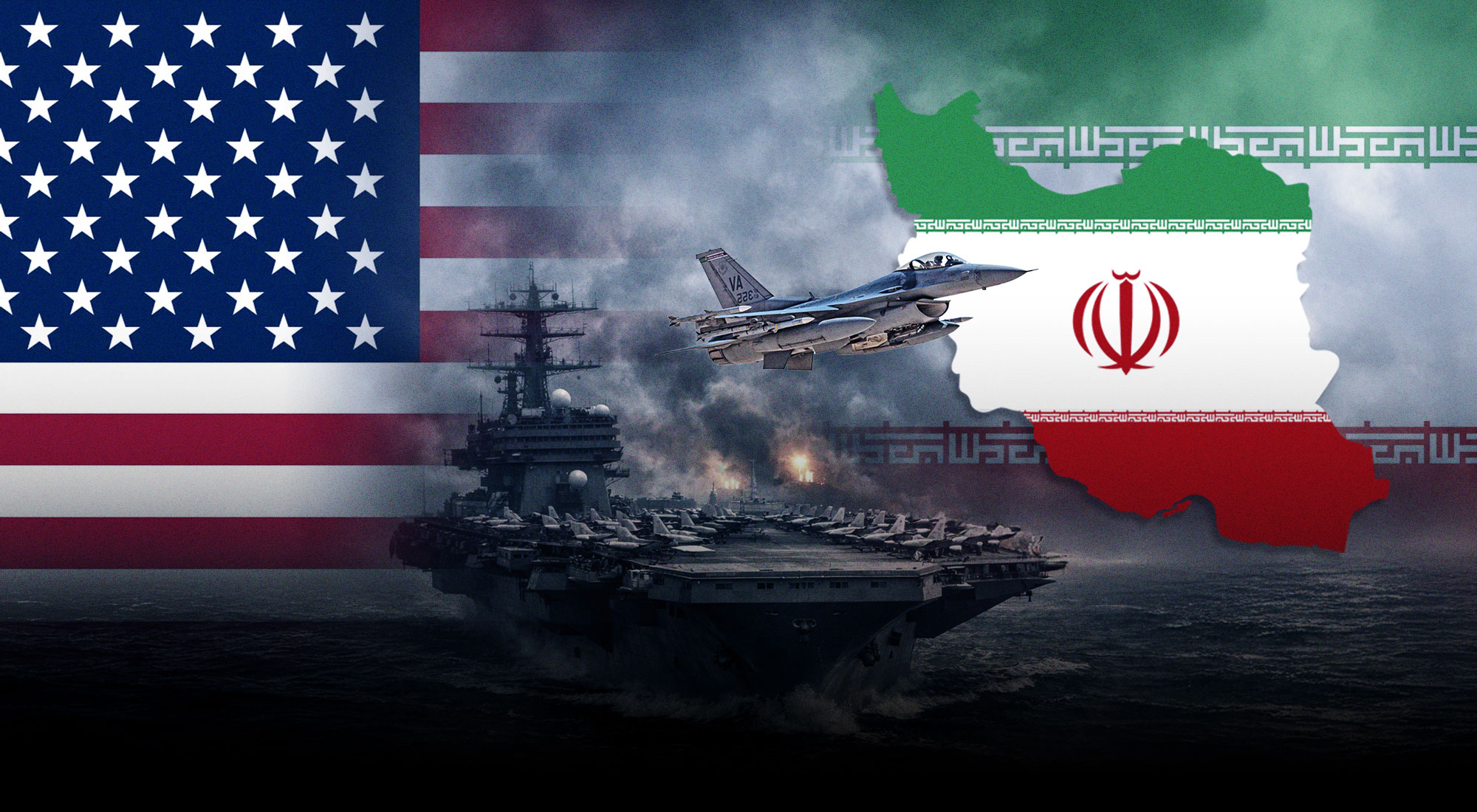
US Seizes Iranian Cargo Ship After Naval Confrontation
U.S. President Donald Trump announced that a U.S. warship opened fire on an Iranian cargo vessel after it attempted to breach a naval blockade. The ship, identified as the TOUSKA, was intercepted in the Gulf of Oman and is now under U.S. control.
According to Trump, the Iranian crew ignored multiple warnings to stop, prompting U.S. forces to disable the vessel. U.S. Marines have since taken custody of the ship, which is reportedly under sanctions due to prior illegal activity.
Iran Condemns US Actions Amid Rising Tensions
Iran strongly criticized the incident, accusing the United States of undermining diplomacy and violating international law.
Iran’s ambassador to Pakistan, Reza Amiri Moghadam, stated that continued military pressure and the ongoing naval blockade contradict claims of diplomatic engagement.
These developments further strain an already fragile ceasefire between the two countries, which has come under increasing pressure in recent days.
Ceasefire Under Pressure as Conflict Escalates
The ceasefire agreement has been repeatedly tested over the weekend. Iran reportedly targeted several commercial vessels and asserted control over the Strait of Hormuz, a critical global shipping route.
In response, the U.S. military action against the Iranian cargo ship marks a significant escalation, raising concerns about the durability of the ceasefire and the risk of further conflict.
Iran Rejects New Round of Negotiations
Iran has declined to participate in a second round of talks with the United States, citing what it described as unrealistic demands and shifting positions from Washington.
Officials in Tehran also pointed to the continued naval blockade as a violation of ceasefire terms, reinforcing their reluctance to return to negotiations at this stage.
There are also concerns within Iran that the United States may be preparing for additional military action, further complicating diplomatic efforts.
US Signals Willingness to Negotiate
Despite the rising tensions, the United States has indicated that it remains open to dialogue. Trump accused Iran of violating the ceasefire through recent attacks on vessels in the Strait of Hormuz and warned of potential military consequences if negotiations fail.
At the same time, U.S. officials confirmed that a delegation is expected to travel to Islamabad for renewed talks, with Vice President JD Vance reportedly leading the discussions.
Diplomatic Uncertainty Continues
Iranian officials emphasized that future negotiations depend on first agreeing to a clear framework. They warned against entering talks without a solid foundation, which could lead to further escalation rather than resolution.
Tehran also reiterated that it will not accept conditions that conflict with international law, particularly regarding its nuclear program.
Optimism for a Possible Resolution
Despite the ongoing standoff, U.S. Energy Secretary Chris Wright expressed cautious optimism, stating that the two sides may not be far from reaching an agreement.
He suggested that behind-the-scenes negotiations are progressing better than public statements indicate, and described Trump’s approach as a strategy that combines pressure with unpredictability.
Wright added that while reopening the Strait of Hormuz may take some time, it is likely to occur relatively soon once a deal is reached.