Trump Warns Iran as Strait of Hormuz Crisis Deepens
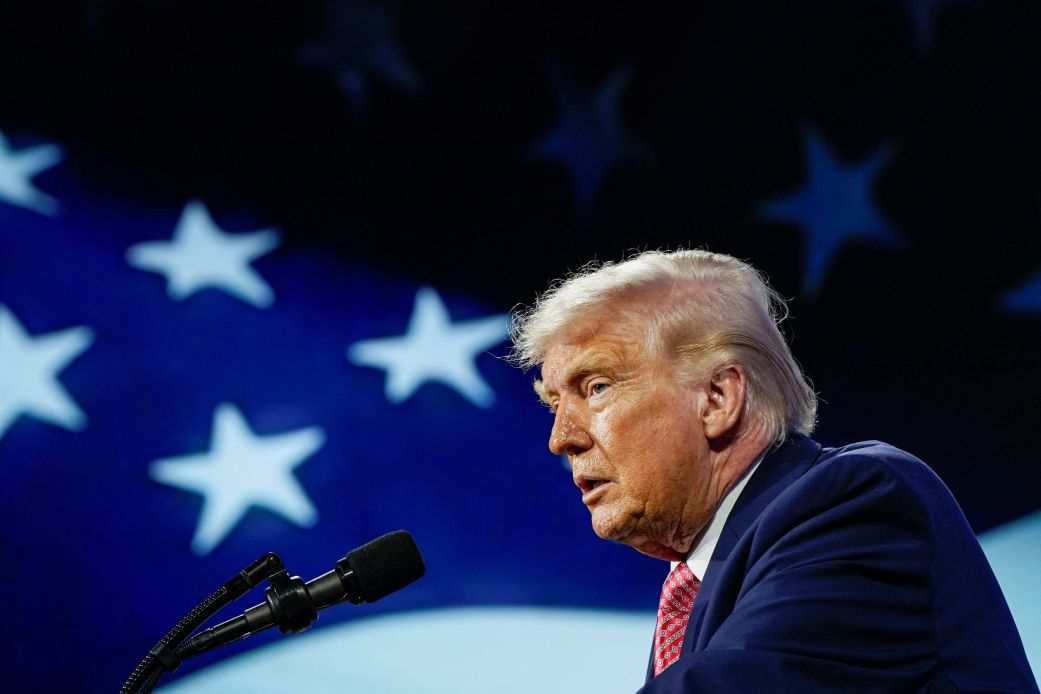
President Donald Trump issued a fresh warning on Monday, stating that Iran’s energy infrastructure, including oil wells and power plants, could be destroyed if Tehran does not reopen the Strait of Hormuz. His statement came after Iran rejected U.S. peace proposals as “unrealistic” and launched new missile attacks on Israel.
Regional Conflict Expands Across Multiple Fronts
The conflict continues to spread across the Middle East. Israel’s military confirmed it intercepted two drones launched from Yemen, just days after Iran-aligned Houthi forces escalated their involvement by targeting Israeli territory with missiles. Meanwhile, Lebanon’s Hezbollah also fired rockets toward Israel.
In response, Israeli forces carried out strikes on military infrastructure in Tehran, as well as Hezbollah-linked targets in Beirut. The attacks left visible damage and thick smoke over parts of the Lebanese capital.
NATO Intercepts Missile Over Turkish Airspace
Turkey’s defence ministry reported that a ballistic missile launched from Iran entered Turkish airspace before being intercepted by NATO air defence systems in the eastern Mediterranean. This marks the fourth such incident since the conflict began, highlighting the growing regional risks.
U.S. Deploys Troops as Tensions Escalate
Thousands of troops from the U.S. Army’s 82nd Airborne Division have begun arriving in the Middle East, according to U.S. officials. The deployment strengthens Washington’s military presence and provides additional strategic options, including potential operations within Iranian territory.
Despite mounting pressure, Iran has remained defiant. The war, which began on February 28 with U.S.-Israeli strikes, has already caused thousands of casualties, disrupted global energy supplies, and shaken financial markets. Many of the victims reported so far are civilians in Iran and Lebanon.
Leadership Losses and Strategic Pressure on Iran
Iran confirmed the death of Revolutionary Guards Navy Commander Alireza Tangsiri, adding to a growing list of senior figures killed during the conflict. Among them is Supreme Leader Ayatollah Ali Khamenei, who has reportedly been succeeded by his son, Mojtaba Khamenei.
At the same time, Iran has effectively blocked the Strait of Hormuz, a critical global shipping route responsible for transporting roughly 20% of the world’s oil and liquefied natural gas.
Peace Talks Stall as Iran Rejects Proposals
Iran acknowledged receiving U.S. peace proposals through intermediaries following regional diplomatic talks involving Pakistan, Egypt, Saudi Arabia, and Turkey. However, Iranian Foreign Ministry spokesperson Esmaeil Baghaei dismissed the proposals as “unrealistic, illogical, and excessive.”
He emphasized that Iran remains focused on defending itself amid what it describes as ongoing military aggression.
Trump Signals Negotiation but Issues Strong Warning
Shortly after Iran’s rejection, Trump stated that the U.S. was in discussions with what he described as a “more reasonable regime” in Iran. At the same time, he warned that failure to reach a deal—and failure to reopen the Strait of Hormuz—could result in devastating strikes on Iran’s energy and water infrastructure, including desalination facilities.
He also reiterated that previous pauses in attacks on Iranian energy sites were temporary, with the current deadline approaching.
Nuclear Tensions Add to Uncertainty
Iran’s parliament is reportedly reviewing a potential withdrawal from the Nuclear Non-Proliferation Treaty (NPT), raising further concerns about nuclear escalation. While the U.S. has cited preventing Iran from developing nuclear weapons as a key objective, Tehran continues to deny pursuing such capabilities.
Diplomatic efforts remain uncertain, with mediators suggesting that direct talks between the U.S. and Iran are unlikely in the immediate future.
Fears of Wider Escalation Across the Region
The risk of broader conflict continues to rise. Iran has targeted Gulf states during the war, while renewed clashes between Israel and Hezbollah have intensified in Lebanon. Two UN peacekeepers were killed in southern Lebanon within 24 hours, underlining the deteriorating security situation.
Meanwhile, Houthi forces could expand their attacks to the Bab el-Mandeb Strait, another critical global shipping route, increasing the threat to international trade.
Oil Markets Surge Amid War Concerns
Global energy markets are reacting sharply. Brent crude prices remain on track for a record monthly increase of nearly 60%, reflecting fears of supply disruptions and prolonged instability.
Analysts warn that the market is increasingly pricing in further escalation rather than a negotiated resolution, with expectations of intensified military activity in the coming weeks.
Global Economic Impact Raises Alarm
The International Monetary Fund (IMF) has warned that the ongoing conflict is severely impacting regional economies and weakening global growth prospects. Countries already recovering from previous crises now face renewed uncertainty.
G7 finance leaders have also pledged to take all necessary measures to stabilize energy markets and mitigate broader economic fallout caused by rising volatility.