Asian Currencies Move Sideways Amid Middle East Uncertainty
Most Asian currencies traded within a tight range on Wednesday, as investors struggled to interpret mixed signals surrounding the ongoing Middle East tensions. At the same time, the Australian dollar weakened following softer-than-expected inflation data.
The U.S. Dollar Index slipped slightly by 0.1% during Asian trading hours, while U.S. Dollar Index Futures also declined by 0.1% as of 01:41 ET (05:41 GMT), reflecting cautious sentiment across global markets.
Israel-Iran Developments Keep Markets on Edge
Investor confidence remained fragile after reports emerged that Israel had launched strikes on Tehran, despite indications from the United States suggesting possible diplomatic progress.
According to reports, Washington presented Iran with a 15-point proposal aimed at ending the conflict, raising optimism for a potential ceasefire.
U.S. President Donald Trump stated on Tuesday that negotiations with Iran were currently underway, noting that Tehran appeared willing to engage constructively and move toward a peace agreement.
However, Iranian officials rejected these claims, denying that any discussions were taking place. This contradiction has contributed to heightened uncertainty in financial markets.
Analysts from MUFG highlighted the challenges ahead, stating that negotiations are likely to remain complex. They advised investors in Asia to consider increasing hedging strategies or reducing risk exposure, particularly as the weekend approaches.
Asia FX Remains Range-Bound as Oil Prices Decline
Currency movements across Asia remained subdued, with the U.S. dollar maintaining support due to its safe-haven appeal. Meanwhile, oil prices dropped significantly, with Brent crude falling below the $100 per barrel mark.
Typically, declining oil prices provide support for Asian currencies by easing inflationary pressures and lowering energy import costs. However, this positive effect was largely offset by ongoing geopolitical risks.
Major currency pairs showed limited movement. The Japanese yen (USD/JPY) and South Korean won (USD/KRW) remained mostly unchanged, while the Chinese yuan (USD/CNY) also traded flat.
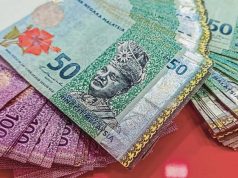
The Singapore dollar (USD/SGD) saw a modest increase of 0.2%, while the Indian rupee (USD/INR) strengthened slightly, rising 0.1% to 93.92 per dollar, just below its recent record high of 94.14.
Australian Dollar Falls After Soft Inflation Data
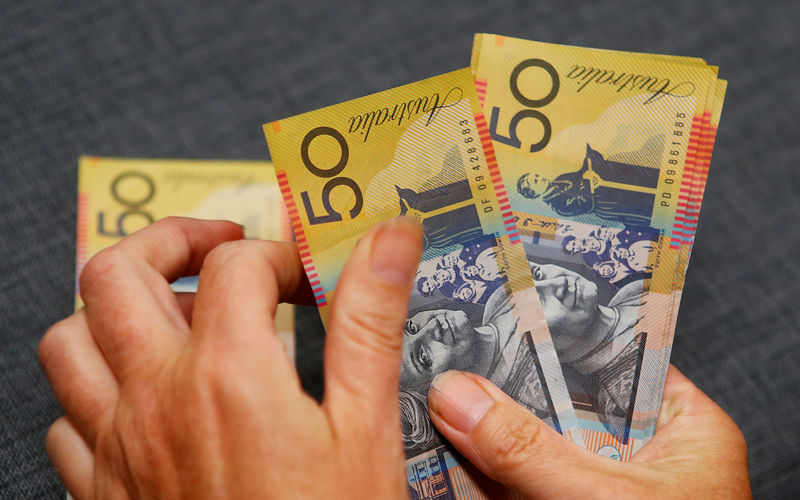
The Australian dollar weakened by 0.3% against the U.S. dollar after new data revealed a slowdown in consumer inflation. Annual inflation eased to 3.7% in February, down from 3.8% in January, while core inflation remained unchanged.
This data reinforced expectations that the Reserve Bank of Australia will maintain a cautious stance on monetary policy. Markets are increasingly pricing in a prolonged pause, with limited chances of near-term rate cuts.