Most Asian currencies declined on Friday, with the Indian rupee dropping to a record low as investors remained cautious about disruptions in global energy markets caused by the U.S.-Israel conflict with Iran. Rising geopolitical tensions have increased uncertainty across financial markets, particularly in Asia, where many economies rely heavily on imported energy.
At the same time, the U.S. dollar strengthened, putting it on track for its second consecutive weekly gain. Traders are increasingly betting that higher oil prices could push inflation higher, reducing the likelihood that the Federal Reserve will cut interest rates in the near term.
Oil Market Concerns Keep Pressure on Asian Currencies
Markets received only limited relief after the United States eased certain restrictions on the purchase of Russian oil. Although this move initially helped stabilize sentiment, crude oil prices recovered from early losses during Asian trading, keeping pressure on regional currencies.
Many Asian economies are particularly vulnerable to oil market disruptions due to their heavy dependence on imported energy, which makes them sensitive to spikes in global crude prices.
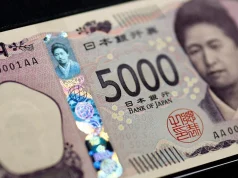
Japanese Yen Near Two-Year Low as Asia FX Weakens
The Japanese yen remained under pressure, with the USD/JPY pair rising 0.1% to 159.48, its highest level since July 2024. Reports indicated that Japan is considering releasing crude oil from its strategic emergency reserves and is actively seeking alternative energy suppliers to offset potential shortages.
The yen was the worst-performing Asian currency this week, with the USD/JPY pair climbing roughly 1%.
Elsewhere in the region:
- The South Korean won (USD/KRW) slipped slightly on Friday but was still up 0.5% for the week.
- The Australian dollar (AUD/USD) fell 0.2%, although it remained on track for modest weekly gains as markets expect the Reserve Bank of Australia to raise interest rates next week.
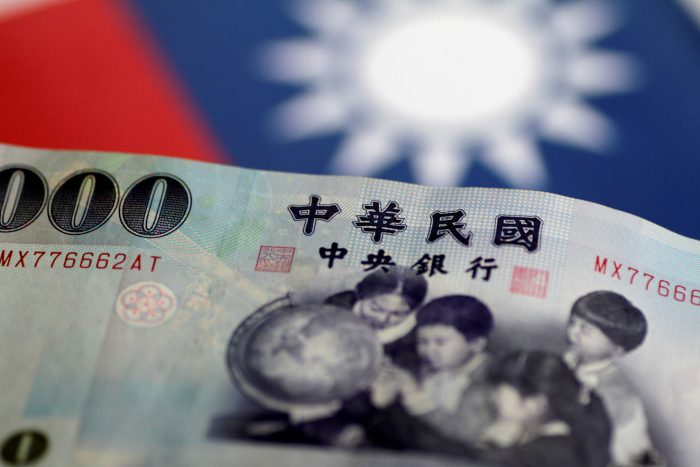
- The Taiwan dollar (USD/TWD) rose 0.3%, while the Singapore dollar (USD/SGD) traded largely unchanged.
Meanwhile, the Chinese yuan showed relative strength. The USD/CNY pair increased 0.2% on Friday, but the currency was still heading toward a 0.2% weekly gain. Analysts believe China is somewhat insulated from short-term oil supply shocks compared with other Asian economies.
Indian Rupee Hits Record Low Amid Oil Supply Fears
The Indian rupee weakened sharply, with the USD/INR pair rising 0.1% and briefly reaching a record high of 92.522 rupees per dollar.
Larger losses were partially limited by reported intervention from the Reserve Bank of India, although the currency is still on course for about a 0.5% weekly decline.
India’s currency and broader financial markets have come under pressure because the country imports roughly 80% of its oil, making it highly vulnerable to rising global energy prices. Local media reports also suggested the possibility of an emerging natural gas shortage, adding further strain to the outlook.
Dollar Heads for Weekly Gains as Markets Await Inflation Data
The U.S. dollar index and its futures contracts rose slightly during Asian trading and were heading for an approximately 0.8% weekly increase, marking the second straight week of gains.
Demand for the greenback has increased due to its safe-haven status during geopolitical crises. Investors also worry that sustained increases in oil prices could drive persistent inflation, forcing the Federal Reserve to maintain a more hawkish monetary policy stance.
As a result, traders have significantly reduced expectations for near-term interest rate cuts. According to CME FedWatch data, markets currently do not expect any changes to U.S. interest rates until at least September.
Investors are also closely watching the upcoming Personal Consumption Expenditures (PCE) price index, the Federal Reserve’s preferred measure of inflation. The data is scheduled for release on Friday and could provide additional insight into inflation trends.
However, the report reflects January price data, meaning it may not yet capture the inflationary effects of the recent surge in oil prices.