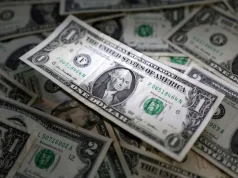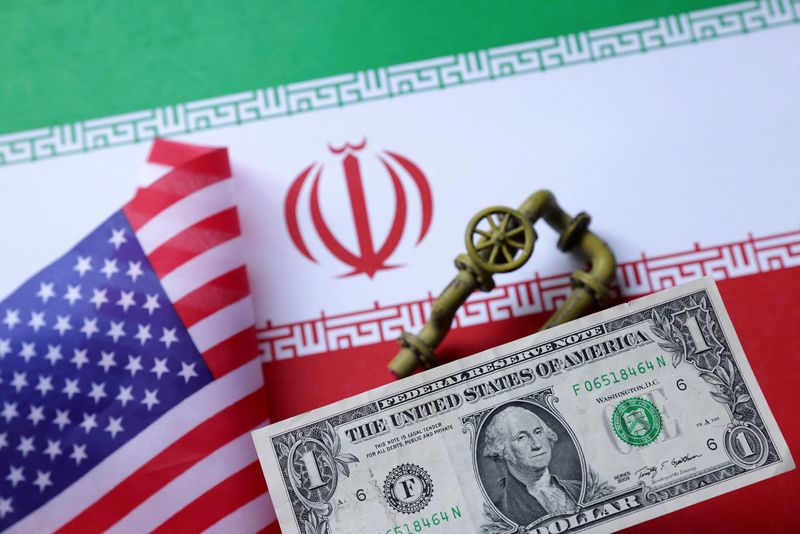
The U.S. dollar climbed to its highest level in more than three months on Friday, marking its second consecutive weekly gain since the start of the conflict in Iran. Ongoing geopolitical turmoil and volatility across global markets have strengthened demand for the greenback, which investors increasingly view as the last remaining safe-haven currency during the crisis.
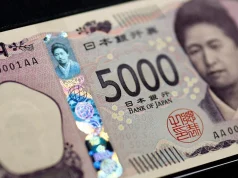
At the same time, the euro dropped to its lowest level since November, while the Japanese yen weakened significantly. Japan’s government warned it is prepared to intervene if the yen’s decline continues, after the currency touched its lowest level in 20 months.
Oil Prices Surge as Middle East Tensions Escalate
Rising geopolitical risks have pushed global oil prices sharply higher. In response to the supply shock, the United States authorized limited sales of certain Russian petroleum products that were previously under sanctions due to the war in Ukraine.
Meanwhile, Iran intensified attacks on oil infrastructure and transportation facilities across the Middle East. The country’s new Supreme Leader, Mojtaba Khamenei, pledged to keep the Strait of Hormuz closed, a crucial shipping route through which a large portion of the world’s oil supply flows.
Markets Face Inflation and Growth Concerns
According to Gavin Friend, senior markets strategist at National Australia Bank, markets are shifting their focus toward the economic consequences of the conflict.
He explained that investors are now concerned about the dangerous combination of rising inflation and slowing economic growth.
“The market’s focus has changed,” Friend said in a podcast. “It’s no longer about diversification. The real concern is the toxic mix of higher inflation and weaker growth that could persist as long as this crisis continues.”
Dollar Index Hits Multi-Month High
The U.S. dollar index, which measures the greenback against a basket of major currencies, reached its highest level since November 26. The surge reflects both the currency’s safe-haven appeal and the fact that the United States is a net energy exporter, making it less vulnerable to rising oil prices.
The index gained 0.16% to 99.83, putting it on track for a 1% weekly increase.
Meanwhile:
- The euro slipped 0.08% to $1.1501, its weakest level since November 21.
- The Japanese yen fell to 159.69 per dollar, its lowest point since July 2024.
- British pound sterling declined 0.08% to $1.333.
Conflict Between U.S., Israel, and Iran Intensifies
The United States and Israel launched airstrikes on Iran nearly two weeks ago, killing the country’s supreme leader and triggering retaliatory attacks from Tehran. The escalation has significantly widened the conflict and effectively halted most shipping activity from the Persian Gulf.
U.S. President Donald Trump stated that Iran’s new leader Mojtaba Khamenei is believed to be alive but “severely injured,” according to Iranian state media reports describing him as wounded during the war.
The Financial Times also reported that the Trump administration has used up years’ worth of critical military munitions since the start of the conflict.
In a separate incident, U.S. forces in western Iraq are conducting rescue operations after a military refueling aircraft crashed during operations.
Strategic Oil Release and Russian Supply Waiver
In an effort to stabilize energy markets, the International Energy Agency (IEA) agreed earlier this week to release a record 400 million barrels of oil from strategic reserves.
Additionally, the United States issued a temporary 30-day waiver allowing countries to purchase Russian petroleum products currently stranded at sea.
Japan Signals Possible Currency Intervention
Japan’s Finance Minister Satsuki Katayama said the government is ready to take necessary measures to counter excessive moves in the yen if they begin to affect the economy.
She confirmed that Japanese authorities are closely coordinating with U.S. officials on foreign-exchange developments.
Earlier this year, when the yen weakened toward the critical 160 per dollar level, the United States conducted so-called “rate checks,” often seen as a precursor to currency intervention. Those actions helped trigger a temporary rebound in the Japanese currency.
Energy Crisis Hits Japan Hard
Japan is particularly vulnerable to the Middle East crisis because it relies heavily on imported energy. According to IG Markets analyst Tony Sycamore, the country now faces a double economic shock from higher energy prices and the yen’s declining safe-haven status.
Sycamore noted that the once-critical 160 yen per dollar level is no longer viewed as a firm line in the sand.
“In the current hostile macroeconomic environment, it may not make sense for authorities to spend valuable intervention resources,” he said.
Investors Await Major Central Bank Meetings
Market participants are also preparing for key central bank meetings next week in the United States, Europe, and Japan.
Investors are closely watching policymakers’ responses to the possibility of an energy-driven inflation shock.
According to the swaps market:
- The European Central Bank could begin raising interest rates as early as June.
- The U.S. Federal Reserve may delay potential rate cuts until December, later than previous expectations for July.
Commodity Currencies and Crypto Markets
Commodity-linked currencies also weakened against the stronger dollar.
- The Australian dollar fell 0.18% to $0.7061.
- New Zealand’s kiwi dollar dropped 0.44% to $0.5828.
In the cryptocurrency market, prices moved higher:
- Bitcoin rose 1.90% to $71,527.50.
- Ethereum gained 2.23% to $2,109.03.
The ongoing geopolitical crisis and rising energy prices continue to shape global financial markets, with investors seeking safety in the U.S. dollar while monitoring inflation risks and central bank policy responses.