Asian currencies weakened on Monday as the U.S. dollar climbed to a three-month high following an escalation in the conflict involving the United States, Israel, and Iran. The renewed geopolitical tensions triggered a sharp rise in oil prices, increasing pressure on regional foreign exchange markets.
The Chinese yuan also declined despite stronger-than-expected inflation data for February. Consumer price growth was supported by increased spending during the Lunar New Year holiday period.
Investor sentiment across Asian markets deteriorated over the weekend as tensions in the Middle East intensified. Several strikes targeting oil infrastructure in the region heightened concerns about potential disruptions to global energy supplies.
The U.S. dollar strengthened significantly during Asian trading. The dollar index and dollar index futures both rose about 0.6%, reaching their highest levels since late November. Safe-haven demand for the greenback increased as investors sought protection amid geopolitical uncertainty.
At the same time, surging oil prices provided additional support for the U.S. currency. Crude prices jumped as much as 30%, moving well above $100 per barrel and approaching levels last seen during the early stages of the Russia-Ukraine war in 2022.
Over the weekend, Israeli and U.S. airstrikes targeted Iranian oil facilities, while Tehran responded with missile strikes on energy infrastructure in several Middle Eastern countries.
Reports also indicated that Iran effectively blocked the Strait of Hormuz after attacking vessels in the critical shipping corridor. The waterway is one of the world’s most important oil transport routes and supplies a large portion of Asia’s energy imports, raising fears of major supply disruptions if the closure persists.
The surge in oil prices and fears of prolonged supply interruptions weighed heavily on Asian currencies, particularly in economies that are highly dependent on energy imports.
The Japanese yen weakened, with the USD/JPY pair rising nearly 0.7%, while the South Korean won also declined as USD/KRW climbed about 0.9%. Both currencies faced additional pressure as their respective stock markets recorded significant losses.
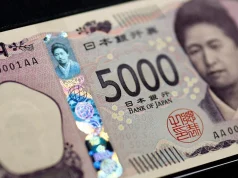
The yen received limited support from stronger-than-expected wage data for January, which showed solid growth in income levels. Rising wages could support higher inflation expectations in Japan over the medium term, but the impact on currency markets was muted.
The Australian dollar, often viewed as a barometer of broader Asian market sentiment, fell around 0.5% against the U.S. dollar.
Other regional currencies also declined. The Indian rupee weakened as USD/INR rose about 0.6%, moving above the 92-rupee level. Meanwhile, the Singapore dollar slipped slightly with USD/SGD gaining around 0.3%.
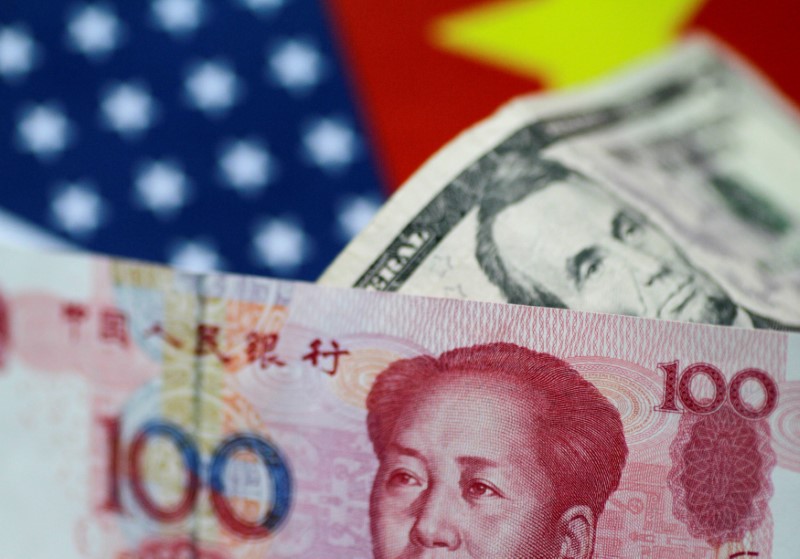
The Chinese yuan also lost ground. The USD/CNY pair climbed roughly 0.35%, moving above the 6.9 yuan level. The currency was further pressured after the People’s Bank of China set a weaker midpoint reference rate.
Meanwhile, China reported stronger inflation data for February. The country’s consumer price index rose 1.3% year-on-year, exceeding market expectations of 0.9% and marking the fastest increase in three years.
The rise in consumer prices was largely driven by higher spending during the extended Lunar New Year holiday period, when demand for travel, services, and discretionary goods typically increases.
However, China’s producer price index remained in contraction territory, suggesting that broader inflationary pressures within the industrial sector are still relatively weak.
Analysts at OCBC noted that China is less vulnerable to immediate oil supply disruptions compared with some other Asian economies. Nevertheless, they warned that if oil prices remain elevated for an extended period, higher energy costs could eventually contribute to stronger domestic inflation, particularly at the producer level.