Asian currencies moved slightly lower on Thursday as the U.S. dollar strengthened following a brief pullback in the previous session. At the same time, escalating tensions in the Middle East and a sharp rise in oil prices weakened investor sentiment and increased caution across regional markets.
The U.S. Dollar Index climbed about 0.2% after declining nearly 0.3% overnight. Despite the small retreat earlier, the index had already posted strong gains during the first two days of the week. Meanwhile, U.S. Dollar Index futures traded roughly 0.3% higher as of 23:34 ET (04:34 GMT), signaling continued demand for the greenback.
Investor sentiment remained fragile as the conflict in the Middle East showed no clear signs of easing. The crisis began last Friday when the United States and Israel launched major military strikes on Iran, and since then tensions have intensified, raising fears of a wider regional confrontation.
Concerns increased further after the U.S. sank an Iranian warship near Sri Lanka in international waters on Wednesday. The development sparked worries that the conflict could extend beyond the Persian Gulf and threaten global shipping routes.
Market participants are also closely monitoring developments around the Strait of Hormuz, one of the most important oil transit routes in the world. Any disruption to crude shipments through this narrow passage could significantly impact global energy supplies.
Oil prices have surged sharply during the week, creating additional pressure on Asian economies. Many countries in the region are major importers of energy, meaning higher crude prices can worsen trade balances, increase inflation, and ultimately weigh on regional currencies.
Across Asian foreign exchange markets, most currencies weakened against the stronger U.S. dollar. The South Korean won declined, with the USD/KRW pair rising 0.4% on Thursday.
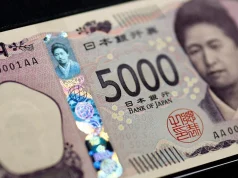
The Japanese yen remained largely unchanged, with the USD/JPY pair trading flat, while the Singapore dollar weakened slightly, as the USD/SGD pair edged 0.2% higher.
The Indian rupee, however, bucked the broader regional trend and rebounded after falling to a record low in the previous session. The sharp drop earlier had been triggered by surging oil prices, which caused heavy selling pressure on the currency.
The USD/INR pair fell 0.6% to 91.57 rupees, after reaching a record high of 92.31 rupees on Wednesday. Traders attributed the rupee’s recovery to modest inflows of U.S. dollars and possible support from the Reserve Bank of India.
In China, policymakers indicated that the country’s economic growth target for 2026 will be between 4.5% and 5%, slightly lower than the “around 5%” target maintained over the past three years.
According to analysts at ING, the adjustment suggests that Chinese authorities still prioritize stable growth, but are also signaling caution about relying too heavily on new stimulus measures to support the economy.
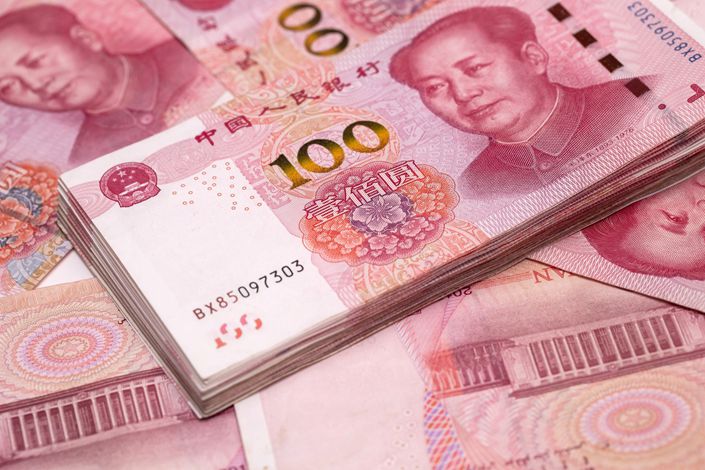
In currency markets, the Chinese yuan strengthened slightly, with the USD/CNY pair slipping 0.1%, while the offshore USD/CNH pair traded largely unchanged.
Meanwhile, economic data from Australia showed that the country’s trade surplus narrowed in January, reflecting softer export performance.
The Australian dollar weakened, with the AUD/USD pair declining 0.3% as investors remained cautious amid global geopolitical uncertainty and rising energy prices.