Why Reopening the Strait of Hormuz May Not Trigger a Major Market Rally
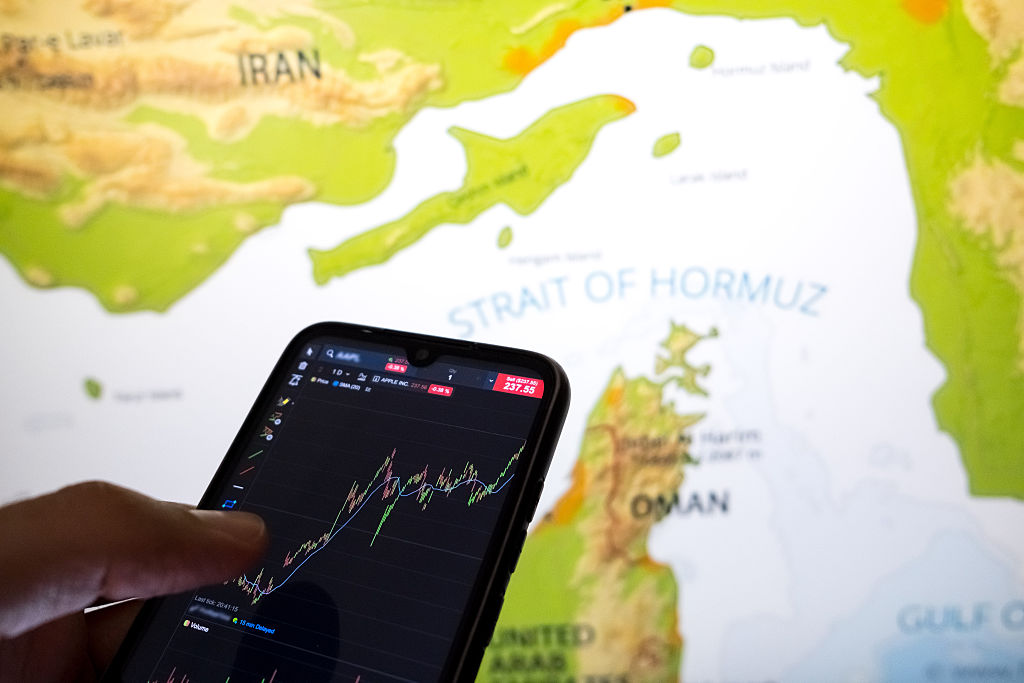
Investor optimism has increased in recent weeks as expectations grow that a potential agreement between the United States and Iran could eventually lead to the reopening of the Strait of Hormuz — a key global shipping route that has remained at the center of geopolitical tensions.
President Donald Trump stated over the weekend that a deal with Iran had been “largely negotiated,” while reports suggested the agreement could involve reopening the strategically important passage.
The prospect of easing tensions boosted appetite for risk assets such as stocks and currencies. However, analysts warn that any resulting market rally may be weaker than investors expect.
Analysts Say Market Upside Could Be Limited
Strategists at Capital Economics believe the potential for a broad global market rebound has diminished over time.
According to analyst Thomas Mathews, investors have already shown notable resilience during the conflict period, reducing the likelihood of a strong relief rally if tensions ease.
One asset that could potentially benefit is the Japanese yen, particularly because prolonged disruptions in energy markets tend to pressure economies dependent on imported fuel.
1. Oil and Gas Prices May Stay Elevated
The first major factor limiting market gains involves energy prices.
Capital Economics argues that even if the Strait of Hormuz reopens, oil and natural gas prices may not immediately return to levels seen before the conflict.
Persistently higher energy costs could continue affecting major importing regions, especially Europe and Asia, while keeping inflation concerns elevated.
That means investors may continue facing uncertainty around growth and purchasing power despite geopolitical improvements.
2. Interest Rate Cuts Could Remain Delayed
The second challenge involves monetary policy.
Higher energy costs and stubborn inflation have already pushed expectations for central bank rate cuts further into the future.
As a result, bond markets may struggle to generate meaningful gains even if geopolitical risks decline.
Capital Economics believes interest rate reductions may remain unlikely this year across most major economies, even if the conflict ends.
Markets where investors still anticipate relatively high rates — such as the United Kingdom — could react more positively than the United States.
3. Investors Have Already Remained Surprisingly Calm
The final obstacle to a major rally may be investor behavior itself.
Risk appetite has remained relatively strong throughout the conflict period, limiting the possibility of a sharp rebound in equities or other risk-sensitive assets.
According to Capital Economics, weaker performance in some sectors reflects rising bond yields more than widespread market fear.
Future Stock Gains May Depend More on Earnings Than Geopolitics
Analysts suggest that future equity market performance could increasingly depend on corporate earnings growth, particularly within the technology sector, rather than a renewed surge in investor optimism linked to geopolitical developments.
In other words, even if tensions around the Strait of Hormuz ease, markets may continue focusing more on inflation, interest rates and company profits than on geopolitical relief alone.