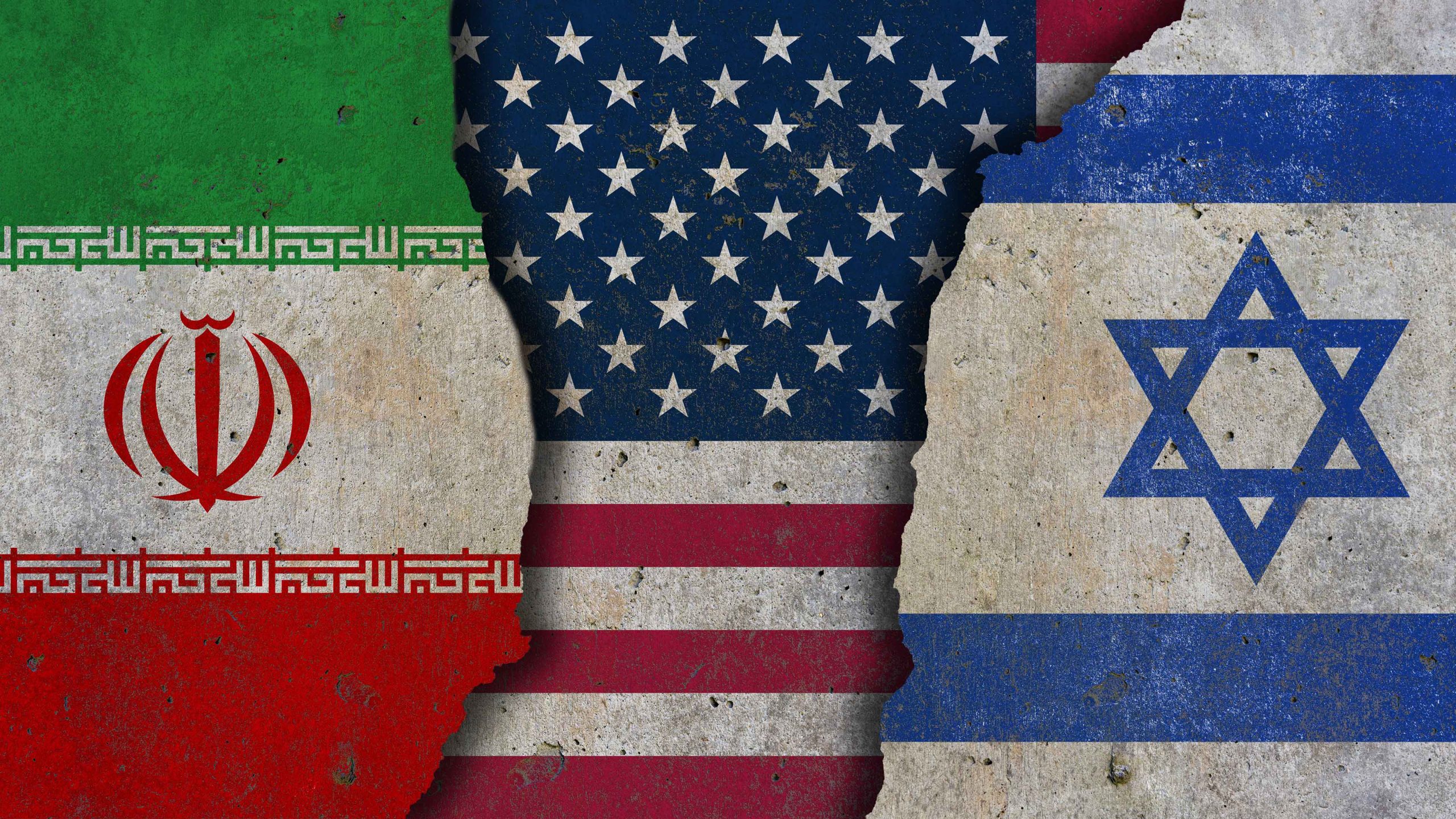
The United States and Israel have reportedly developed plans for renewed military strikes against Iran following the November 3 US midterm elections. The potential operation could target Iranian energy infrastructure, nuclear facilities and missile capabilities, according to The New York Times.
The newspaper cited US officials and individuals familiar with the discussions, reporting that military preparations have intensified as Washington and Israel evaluate options for further action.
However, President Donald Trump has not approved a new military offensive, leaving the timing and likelihood of additional strikes uncertain.
US and Israel Intensify Military Preparations for Potential Iran Strikes
American and Israeli forces have reportedly increased military coordination and training exercises in preparation for a possible renewed confrontation with Iran.
According to The New York Times, the preparations include military flights over Iraq designed to simulate attack maneuvers and assess operational readiness.
US Defense Secretary Pete Hegseth also met Israeli Prime Minister Benjamin Netanyahu this week to discuss potential military operations.
The reported discussions have focused on Iranian energy facilities, nuclear infrastructure and missile stockpiles.
Military planners are reportedly considering options intended to weaken Iran’s strategic capabilities while increasing pressure on Tehran to negotiate over its nuclear programme.
Nevertheless, the existence of operational plans does not necessarily indicate that a final decision to launch strikes has been made.
Three-Day Military Campaign Considered Against Iran
One proposal reportedly being evaluated by US military planners involves an intensive operation lasting approximately three days.
According to the report, some officials believe a short but concentrated military campaign could inflict substantial economic damage on Iran.
The objective would reportedly be to increase pressure on Tehran to return to negotiations over its nuclear programme.
Potential targets could include energy infrastructure, missile facilities and other strategically important installations.
However, the effectiveness of such an operation remains uncertain.
A limited military campaign could also provoke retaliation, potentially extending hostilities beyond the originally planned timeframe.
Trump Has Yet to Approve Renewed Military Action
Despite increased military preparations, President Donald Trump has repeatedly delayed proposals for additional strikes against Iran.
According to the report, the US president previously postponed a military operation scheduled for earlier in October.
Trump has also indicated that renewed attacks would not take place before the November 3 midterm elections.
The administration continues to evaluate military options while pursuing diplomatic efforts intended to address Iran’s nuclear activities and regional security concerns.
The United States reportedly expects its planned military assets to be positioned and operational by early November.
However, Trump could ultimately decide against launching another offensive.
This uncertainty remains important as investors and governments assess the possibility of further regional escalation.
Iran Warns of Retaliation Against Regional Infrastructure
Iranian authorities have warned that renewed US military action could trigger retaliatory attacks against infrastructure across the Middle East.
According to The New York Times, Tehran has raised the possibility of targeting Saudi Arabian oil refineries, data centers and undersea internet cables.
Such attacks could have significant consequences for regional energy supplies, communications networks and economic activity.
The warnings have also increased concerns that a renewed confrontation could expand beyond Iran, Israel and the United States.
Neighboring countries could face additional security risks if military operations spread across the region.
Strait of Hormuz Remains Central to Diplomatic Discussions
The Strait of Hormuz remains another important factor in the ongoing tensions between Washington and Tehran.
The strategic waterway is a major transportation route for crude oil and liquefied natural gas shipments from the Persian Gulf.
Diplomatic discussions reportedly continue over Iran’s nuclear programme and arrangements involving the strait.
Any disruption to commercial shipping could affect international energy supplies and increase transportation costs.
Even without a complete closure, heightened security risks could raise insurance premiums and discourage some shipping companies from operating in the region.
These concerns have made the Strait of Hormuz a major focus for energy traders and international policymakers.
How Could Renewed Iran Strikes Affect Oil Prices?
A renewed military campaign against Iran could create substantial volatility across global energy markets.
Attacks targeting Iranian oil infrastructure could reduce production or export capacity, potentially tightening available crude supplies.
Retaliatory strikes against Saudi Arabian refineries or other regional facilities could create additional disruptions.
Meanwhile, increased security risks around the Strait of Hormuz could affect tanker movements and raise the cost of transporting petroleum.
These scenarios could push Brent and WTI crude oil prices higher, particularly if disruptions last longer than expected.
However, the eventual market impact would depend on the scale of military operations, the extent of damage to energy facilities and the response of other oil-producing countries.
A limited operation without significant supply disruptions could produce a smaller or shorter-lived price reaction.
What Comes Next for US-Iran Relations?
The reported military preparations highlight continued uncertainty surrounding relations between the United States, Israel and Iran.
Washington and Israel appear to be evaluating additional military options, although the final decision remains with their respective political leadership.
Meanwhile, diplomatic discussions over Iran’s nuclear programme and regional security arrangements remain ongoing.
The period following the November 3 US midterm elections could become particularly important as military preparations advance and political considerations change.
For financial markets, the central concern is whether renewed hostilities could disrupt Middle Eastern energy supplies and create additional inflationary pressures.
Until a final decision is announced, the possibility of further US-Israeli strikes against Iran remains a significant geopolitical risk rather than a confirmed military operation.