U.S. Launches Fresh Military Strikes Against Iran
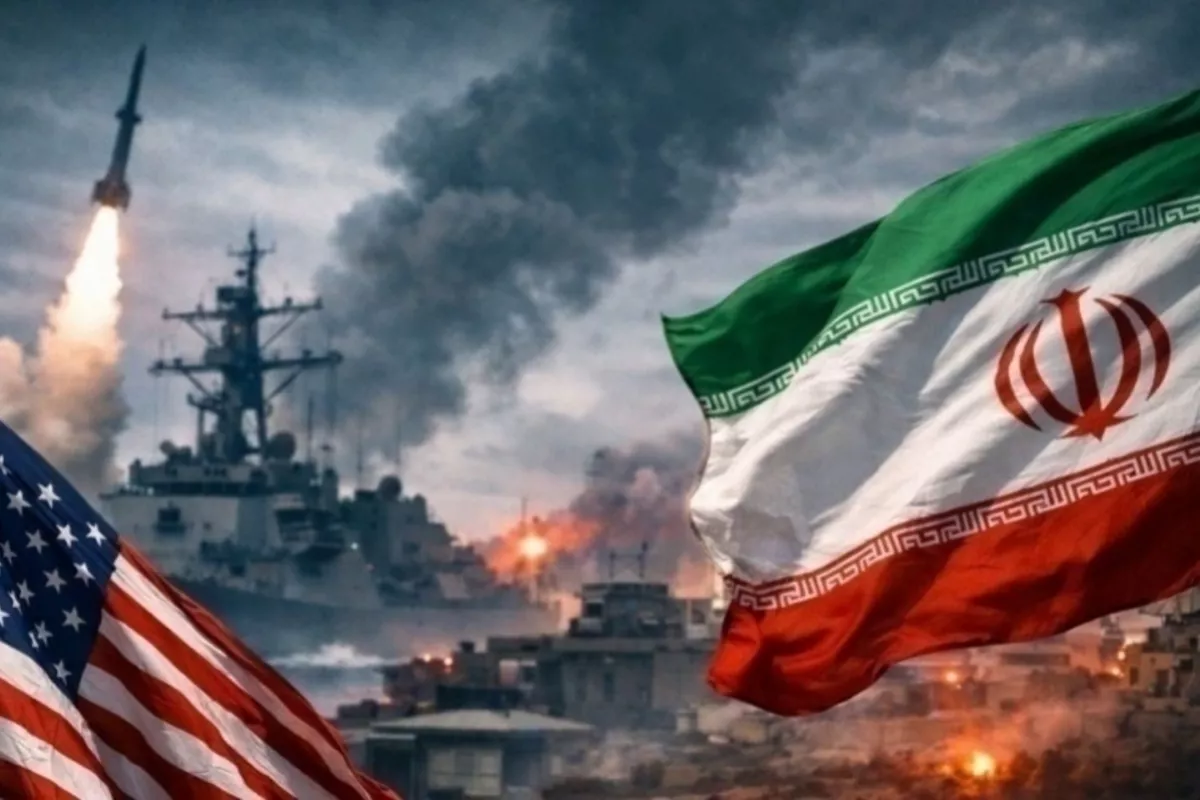
The United States carried out a new wave of military strikes against Iran early Wednesday, according to U.S. Central Command.
CENTCOM said the operation targeted military capabilities allegedly used by Iranian forces to attack commercial vessels travelling through the Strait of Hormuz.
The strikes began at 6 a.m. Eastern Time, only hours after President Donald Trump warned that military action could intensify unless Tehran returned to negotiations.
CENTCOM Targets Iranian Military Capabilities
In a statement published on X, CENTCOM said the strikes aimed to further weaken Iran’s ability to threaten commercial shipping in the Strait of Hormuz.
The waterway is one of the world’s most important energy transport routes. Therefore, any disruption to shipping activity can have major consequences for global oil supplies and prices.
The latest operation marked the fourth consecutive day of U.S. strikes against Iran.
Trump Says Attacks Will Continue Without a Deal
Trump said his administration had recently been in contact with Iranian officials.
During an interview with Fox News, he claimed that U.S. representatives had spoken with Iranian officials shortly before the interview and that Tehran appeared interested in reaching an agreement.
However, the president warned that military action would continue until he decided sufficient progress had been made.
Trump also issued a direct warning to Iran, urging the country to accept a deal before suffering additional damage.
Iranian Oil Infrastructure Could Become a Target
When asked about Kharg Island, a strategically important centre for Iranian oil exports, Trump said attacks on energy infrastructure would be considered only at a later stage.
However, he suggested that such facilities could eventually become targets if the conflict continued.
Trump also raised the possibility of renewed strikes against Iranian nuclear facilities, including a site referred to as Pickaxe Mountain.
White House Discusses Wider Offensive
Trump reportedly held a meeting in the White House Situation Room on Tuesday to discuss a broader military campaign against Iran.
According to Axios, officials considered expanding the conflict beyond the current focus on southern Iran and the Strait of Hormuz.
The discussions suggested that Washington was reviewing options for a significantly larger offensive if diplomatic efforts failed.
U.S. Reinstates Naval Blockade
CENTCOM also reinstated a naval blockade targeting Iranian shipping.
Trump said the Strait of Hormuz would remain open to international maritime traffic, with the exception of Iranian vessels.
Later, CENTCOM announced that it had completed its fourth consecutive round of strikes.
The United States had previously considered imposing a 20% transit charge on cargo passing through the Strait. However, Trump later withdrew the proposal after discussions with leaders in the Middle East.
Iran Retaliates Against U.S. Bases
Iran responded to the latest U.S. military action by launching attacks against American bases in several Middle Eastern countries.
Tehran also rejected claims that the Strait of Hormuz was fully open and continued to challenge commercial shipping activity in the area.
Iranian forces were reportedly still targeting vessels operating in and around the strategic waterway.
Strait of Hormuz Remains at the Centre of the Conflict
The latest escalation followed Iranian attacks on commercial ships in the Strait of Hormuz.
Tehran had claimed that vessels could cross the waterway only through routes approved by Iranian authorities.
The United States responded with additional strikes, which then triggered further retaliation from Iran.
The renewed fighting has significantly weakened a memorandum of understanding reached between the two countries in June.
Risk of Wider Conflict Remains High
The confrontation now extends across military, maritime, diplomatic, and energy-related fronts.
Further attacks on commercial shipping, Iranian infrastructure, or U.S. bases could increase the risk of a broader regional conflict.
Investors and governments will continue to monitor military developments, diplomatic contacts, oil prices, and shipping activity through the Strait of Hormuz.