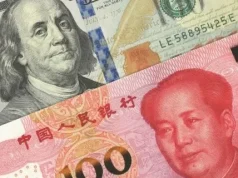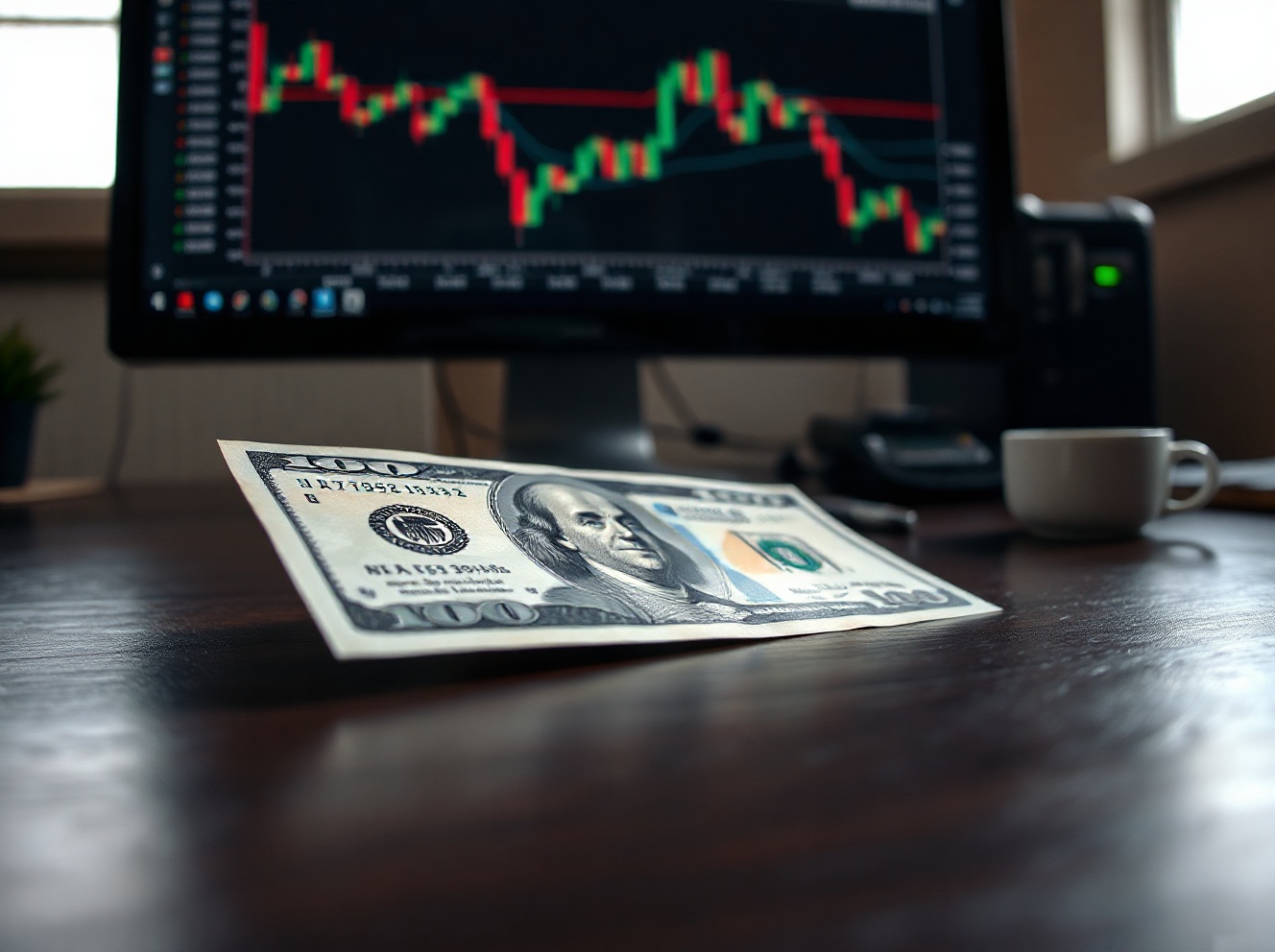
The U.S. dollar regained some ground on Thursday as investors shifted attention toward the Federal Reserve’s Jackson Hole symposium for fresh clues on the future path of interest rates.
The move followed recent inflation data showing that price pressures remained stronger than economists expected, reinforcing the view that U.S. monetary policy may stay restrictive for longer.
Sticky Inflation Supports the U.S. Dollar
Data released in the previous session showed that U.S. inflation rose more than expected in July.
The stronger reading helped support expectations that interest rates could remain elevated through the end of the year.
Another report confirmed that the U.S. economy expanded at an annualized pace of 1.5% in the second quarter.
Together, the figures reinforced the idea that the American economy continues to perform relatively well compared with several other major economies.
Euro and Pound Slip Against the Dollar
The euro weakened around 0.1% against the dollar to approximately $1.1639.
The British pound also fell about 0.1% to $1.3577, as investors reduced expectations for a Bank of England interest rate increase this year.
The Japanese yen slipped nearly 0.1% to around 159.45 per dollar, with traders also assessing comments from Bank of Japan Deputy Governor Ryozo Himino.
Dollar Index Holds Near One-Week High
The U.S. currency remained close to a one-week high against several major counterparts.
The U.S. Dollar Index, which measures the greenback against a basket of six leading currencies, stood around 99.158.
That left the index up roughly 0.3% for the week, following a 0.8% decline during the previous week.
Elias Haddad, global head of markets strategy at Brown Brothers Harriman, said one of the dollar’s main advantages is that the U.S. economy continues to outperform other major economies.
Fed Rate Expectations Remain a Key Driver
Traders currently expect the Federal Reserve to leave borrowing costs unchanged in September.
However, markets are pricing in roughly a 74% probability of at least one 25-basis-point rate increase by December.
Elevated oil prices linked to tensions in the Middle East have added to concerns that inflation could remain persistent.
Even so, some analysts believe the dollar’s upside may remain limited if the Fed ultimately avoids raising rates this year.
Fiscal Concerns Could Limit Dollar Strength
The U.S. dollar also faces headwinds from concerns surrounding government debt and fiscal credibility.
Currency and bond markets are still digesting the U.S. Treasury’s recent effort to contain rising long-term borrowing costs through increased bond buybacks.
The move renewed debate about government intervention in financial markets and the long-term implications of rising U.S. debt.
These concerns have also contributed to wider discussions around potential dollar debasement.
Bitcoin Gains as Investors Watch Fiscal Risks
Bitcoin has benefited from part of this shift in sentiment.
The cryptocurrency has gained around 25% this month, reaching approximately $79,423.
Some investors have viewed Bitcoin as an alternative asset amid concerns over rising government debt, currency dilution and intervention in bond markets.
Jackson Hole Takes Center Stage
Investor attention is now firmly focused on the Jackson Hole Economic Policy Symposium.
Federal Reserve Chair Kevin Warsh is scheduled to speak on Friday, and traders will closely analyze his remarks for clues about monetary policy and the Treasury’s recent market actions.
Weekly U.S. jobless claims data could also provide additional insight into the strength of the labor market.
Fed Officials Maintain Hawkish Tone
Ahead of the symposium, Kansas City Fed President Jeffrey Schmid suggested that current interest rates may not be restrictive enough to slow the economy.
His comments indicated continued support for tighter monetary policy if inflation fails to move back toward the Fed’s 2% target.
This hawkish tone has helped keep U.S. interest rate expectations elevated.
Bank of Japan Keeps Yen Traders Cautious
Elsewhere, investors were also monitoring monetary policy in Japan.
Bank of Japan Deputy Governor Ryozo Himino said timely interest rate increases could help prevent inflation from accelerating and reduce the need for more aggressive tightening later.
However, he stopped short of signaling that another rate increase is imminent.
The lack of a clear policy signal means the yen could remain vulnerable to renewed weakness.
Canadian Dollar Faces Trade Pressure
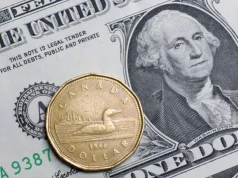
The Canadian dollar traded around C$1.3873 per U.S. dollar and remained on course for its biggest weekly decline since mid-June.
The currency has come under additional pressure following the breakdown of trade negotiations between Canada and the United States.
President Donald Trump also intensified rhetoric toward Canada, adding further uncertainty to the country’s economic and currency outlook.
Markets Await Clearer Fed Direction
For now, the U.S. dollar remains supported by persistent inflation, resilient economic growth and expectations for restrictive Federal Reserve policy.
However, concerns over U.S. debt, fiscal credibility and the possibility of a more dovish Fed stance could limit further gains.
The next major catalyst is likely to come from Jackson Hole, where Warsh’s comments could reshape expectations for U.S. interest rates and drive the next significant move across global currency markets.