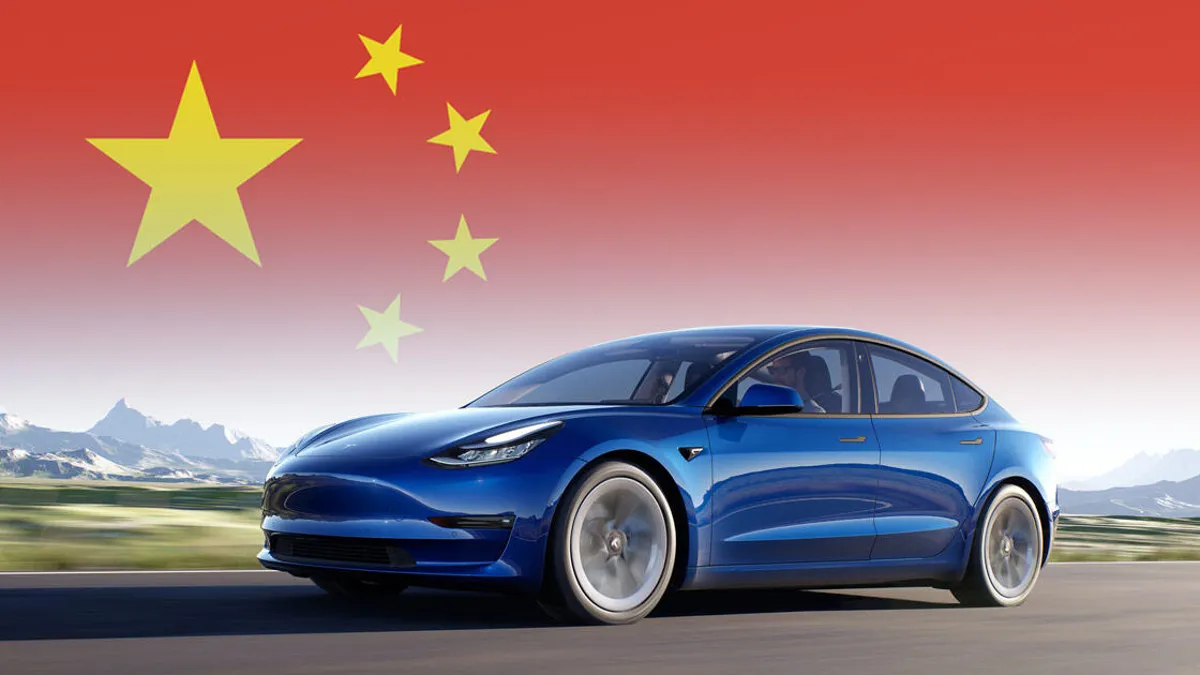
Shares of several Chinese companies in Tesla’s supply chain rose on Friday after the electric vehicle manufacturer reported strong second-quarter delivery figures.
The results improved investor confidence that Tesla may be entering a recovery phase after two years of declining sales.
Tesla Suppliers Rise in Mainland China
Several Chinese auto parts suppliers recorded strong gains during mainland trading.
Shares of Ningbo Xusheng, Ningbo Tuopu and Zhejiang Sanhua climbed between 5% and 9%.
The rally reflected optimism that stronger Tesla deliveries could support future demand for components and vehicle production.
CATL and Fuyao Glass Also Gain
Tesla-linked companies listed in Hong Kong also moved higher.
Fuyao Glass gained around 3%, while major battery supplier CATL rose approximately 0.7%.
The gains showed that Tesla’s delivery figures improved sentiment across a wider section of its Chinese supply chain.
Tesla Reports Record Q2 Deliveries
Tesla delivered a record 480,126 vehicles during the second quarter.
Strong sales in Europe supported the result, while deliveries in China recorded modest growth.
The figures suggested that global demand for Tesla vehicles remained resilient despite intense competition in several important markets.
Lower-Cost Models Support Tesla Sales
Tesla introduced several lower-priced versions of its popular Model 3 and Model Y vehicles.
The more affordable options helped support demand, particularly as rising global fuel prices encouraged some consumers to consider electric vehicles.
Tesla has increasingly focused on pricing and product updates as it competes for market share.
Refreshed Model Y Boosts China Production
Production of the updated Model Y also contributed to stronger sales of vehicles manufactured in China.
The performance highlighted China’s continued importance as both a production centre and consumer market for Tesla.
Tesla’s Chinese factories remain a key part of the company’s global manufacturing network.
Competition From Chinese EV Makers Remains Strong
Tesla’s improved sales came despite growing competition from Chinese electric vehicle manufacturers.
BYD and other domestic rivals have continued to expand their product ranges and strengthen their presence in overseas markets.
Several Chinese EV companies are also increasing their operations in Europe, creating additional pressure on Tesla.
The strong second-quarter result nevertheless raised hopes that Tesla may be stabilising after a prolonged period of weaker sales.