S&P 500 Q1 Earnings Head Toward Strongest Season Since 2021, Says Bank of America
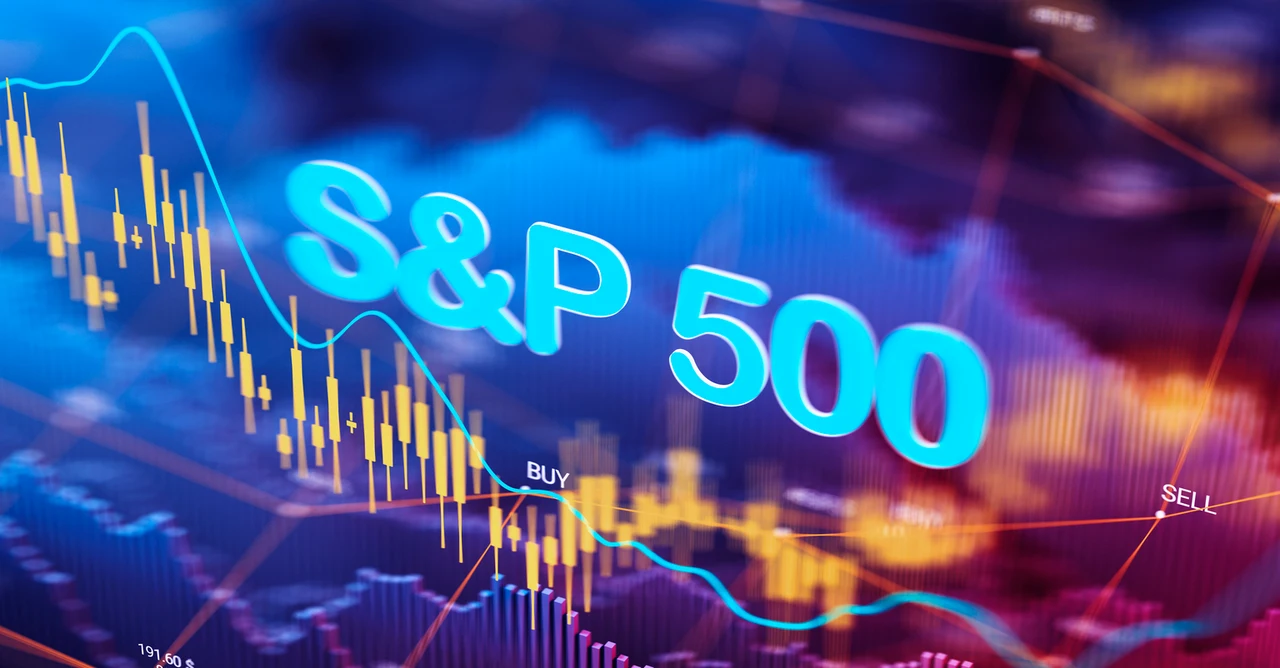
The first-quarter earnings season for the S&P 500 is shaping up to be the strongest in five years, according to new analysis from Bank of America.
With more than 90% of S&P 500 companies having released quarterly results, earnings growth has significantly exceeded expectations, supported by resilient corporate performance and continued momentum in artificial intelligence investment.
S&P 500 Earnings Growth Hits Multi-Year High
First-quarter earnings per share (EPS) growth is currently tracking at 26% year-over-year, marking the fastest pace since 2021.
Even after excluding one-time gains reported by major technology companies including Amazon, Meta Platforms and Alphabet, adjusted EPS growth still stands at a strong 18%.
Additionally, approximately 64% of S&P 500 companies exceeded both earnings and revenue forecasts, representing the highest beat rate recorded in the last five years.
Corporate Guidance Remains Strong Despite Geopolitical Risks
Analysts had expected geopolitical uncertainty, particularly tensions involving Iran, to negatively impact company outlooks. However, corporate guidance has remained stronger than anticipated.
The ratio of companies issuing above-consensus earnings guidance compared to below-consensus forecasts currently stands at 1.6x, significantly higher than the long-term average of 0.8x.
Strategists led by Savita Subramanian noted that both 2026 and second-quarter earnings expectations continue moving higher.
Forecasts for full-year 2026 EPS growth have now risen to 22% year-over-year, compared with expectations of 15% at the beginning of the year.
AI Investment Boom Continues to Support Earnings Outlook
According to Bank of America, artificial intelligence remains one of the biggest drivers behind stronger earnings expectations.
Major technology companies including Amazon, Alphabet, Microsoft and Meta Platforms collectively guided 2026 capital expenditures roughly $50 billion above analyst expectations.
This suggests that spending linked to AI infrastructure and cloud computing remains robust.
Hyperscaler Spending Could Exceed $1 Trillion
Bank of America semiconductor analysts now estimate total capital expenditures from hyperscale technology firms could exceed $800 billion in 2026, representing a 67% increase from the previous year.
Spending could surpass $1 trillion by 2027, driven largely by continued investment in AI infrastructure.
However, rapidly rising capital expenditures may pressure short-term free cash flow. Capex as a percentage of operating cash flow is expected to rise from 70% in 2025 to nearly 100% in 2026.
Consumer Spending Shows Growing Income Divide
Company commentary continues to highlight a widening gap between higher-income and lower-income consumers, often referred to as a “K-shaped economy.”
Bank of America card spending data showed consumer activity remained relatively stable in April overall. However, lower- and middle-income households reduced spending on discretionary purchases, while higher-income groups continued to spend more consistently.
Analysts also noted that rising fuel costs linked to tensions involving Iran have offset more than half of the economic support created by tax refunds.
Outlook for U.S. Earnings Remains Positive
Despite geopolitical risks and pressure on consumer spending, corporate America continues to outperform expectations.
Strong AI-driven investment, resilient company guidance, and improving earnings forecasts have helped position the current S&P 500 reporting season as the most powerful in several years.