SK Hynix shares fell sharply in South Korean trading on Monday, leading declines across Asian semiconductor stocks.
The sell-off came despite a strong Nasdaq debut for the company’s American Depositary Receipts, or ADRs, at the end of last week.
SK Hynix Shares Drop Nearly 14%
SK Hynix shares fell almost 14% to 1,942,000 won, reaching their lowest level in more than one month.
The decline placed heavy pressure on South Korea’s wider stock market. The KOSPI index dropped more than 5% during the session, while severe volatility prompted the Korea Exchange to briefly suspend trading.
The KOSPI eventually closed 8.95% lower at 6,806.93.
Lower Profit Forecast Weighs on Sentiment
South Korean media reports linked the SK Hynix sell-off to a new earnings estimate from Korea Investment & Securities.
The brokerage projected second-quarter operating profit of 60.4 trillion won, or approximately $40.3 billion.
That estimate came in below the market consensus forecast of around 65 trillion won, raising concerns about whether the company’s results would meet elevated investor expectations.
HBM Pricing Growth May Have Slowed
SK Hynix is a major producer of high-bandwidth memory, commonly known as HBM.
These advanced memory chips are widely used in artificial intelligence processors and data centres.
However, the company may have recorded a smaller increase in average HBM selling prices during the second quarter.
Its dominant share of the HBM market may have limited its ability to achieve the same level of pricing growth as some smaller competitors.
According to a ChosunBiz report, HBM selling prices are expected to increase in line with the broader market average from the third quarter.
AI Demand Still Supports Strong Growth
Despite concerns over pricing and profit expectations, SK Hynix is still expected to report strong year-on-year earnings growth.
The company is scheduled to release its second-quarter results later in July.
SK Hynix has benefited from rising memory-chip prices and strong demand from the artificial intelligence industry.
AI systems require large amounts of advanced memory, making HBM an important part of the semiconductor supply chain.
Investors Question Whether AI Growth Is Sustainable
The company’s rapid share-price rise has also created concerns about valuation.
Some investors are questioning whether the current pace of AI-driven earnings growth can continue.
Expectations surrounding artificial intelligence demand have become extremely high, increasing the risk of sharp market reactions when forecasts fall below consensus estimates.
Nasdaq ADR Debut Delivers Strong Gains
Optimism surrounding the AI sector helped SK Hynix ADRs rise almost 13% during their Nasdaq debut on Friday.
The company raised approximately $26 billion through the offering.
The strong performance of the U.S.-listed securities contrasted sharply with Monday’s decline in SK Hynix shares in Seoul.
ADR Rebalancing May Pressure Korean Shares
Analysts also suggested that the new Nasdaq listing may have contributed to the decline in the company’s domestic shares.
Investors may be rebalancing their exposure between SK Hynix shares traded in South Korea and the newly listed ADRs in the United States.
This shift could create temporary selling pressure on the Korean-listed stock, even if long-term demand for the company remains strong.
Asian Chip Stocks Await TSMC and ASML Earnings
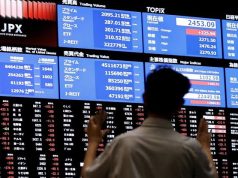
Other Asian semiconductor stocks also moved lower on Monday.
Investors remained cautious ahead of two major earnings reports from TSMC and ASML Holding.
Both companies are scheduled to release their second-quarter results this week.
TSMC is the world’s largest contract chip manufacturer, while ASML is the only company producing the most advanced lithography equipment used in modern chip production.
Because both businesses play critical roles in the semiconductor supply chain, their earnings and forecasts could influence sentiment across the global technology sector.