Samsung and SK Hynix Lead KOSPI Rebound After 10% Tech Wipeout
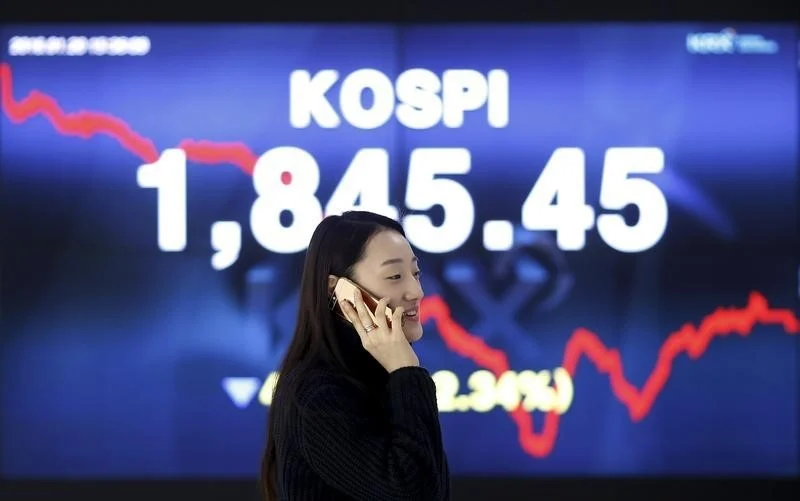
South Korea’s KOSPI index rebounded sharply on Wednesday, recovering part of the heavy losses recorded during the previous session.
Major chipmakers Samsung Electronics and SK Hynix helped lead the recovery after both stocks suffered double-digit declines on Tuesday.
KOSPI Recovers After Historic Tech Sell-Off
The KOSPI climbed 3.4% to 8,480.21 points. However, the index remained below its intraday high of 8,577.52.
South Korean stocks had fallen sharply on Tuesday, with the benchmark index losing almost 10% as investors sold technology and semiconductor shares.
The sudden decline marked a major reversal for a market that had previously benefited from strong enthusiasm surrounding artificial intelligence.
Samsung Shares Surge on Buyback Report
Samsung Electronics provided one of the biggest boosts to the KOSPI.
The company’s shares rose between 7% and 10% after Yonhap reported that Samsung was preparing a major share buyback program.
The proposed repurchase could be worth nearly 90 trillion won, equivalent to approximately $5.8 billion.
A share buyback can support a company’s stock price by reducing the number of shares available in the market. It can also signal that management believes the stock is undervalued.
SK Hynix Advances on U.S. ADR Plans
SK Hynix shares gained 3.4% following reports that the chipmaker was making further progress toward a planned American Depositary Receipt listing.
A U.S. ADR offering could make SK Hynix shares more accessible to international investors and attract additional capital into the company.
Samsung and SK Hynix are South Korea’s two largest listed companies. Both stocks had fallen by more than 12% during Tuesday’s sell-off.
MSCI Decision Weighs on South Korean Stocks
Several negative developments contributed to the severe decline in South Korean markets.
One major concern was MSCI’s decision not to classify South Korea as a developed market.
Inclusion in the developed-market category could attract greater investment from global funds. Therefore, the rejection disappointed investors who had expected a potential upgrade.
AI Trade Concerns Hit Chipmakers
Growing doubts about the artificial intelligence investment boom also pressured the market.
Technology and semiconductor stocks had previously driven much of the KOSPI’s rapid advance. Investors had increased their exposure to Samsung and SK Hynix due to expectations of strong demand for AI-related chips.
However, concerns emerged after a report suggested that SK Hynix could place greater emphasis on traditional memory products.
The company has benefited significantly from demand for high-bandwidth memory chips, which are used in advanced AI processors.
Any shift away from these products could raise questions about the company’s exposure to future AI growth.
Leveraged ETF Selling Deepens Market Losses
Selling in leveraged exchange-traded funds also intensified Tuesday’s decline.
These products allow investors to increase their exposure to daily market movements. However, they can also magnify losses during periods of high volatility.
The sell-off became so severe that the head of South Korea’s financial market regulator expressed regret over allowing the launch of the leveraged ETFs during the previous month.
KOSPI Remains a Top Global Performer
Despite Tuesday’s dramatic decline, the KOSPI remained one of the world’s strongest-performing stock market indexes.
The benchmark had gained nearly 100% since the beginning of the year.
Much of that advance came from technology and chipmaking companies linked to artificial intelligence.
Investors had poured capital into Samsung Electronics, SK Hynix and other semiconductor stocks as expectations grew that the AI boom would generate significant new revenue for the industry.