Oil Prices Extend Rally as Trump Warns Iran Ceasefire Is Failing
Oil prices moved sharply higher on Tuesday, building on gains from the previous session after President Donald Trump warned that the fragile ceasefire between the United States and Iran was now on “life support.”
The comments weakened hopes for a near-term peace agreement and reignited fears that tensions in the Middle East could further disrupt global energy supplies.
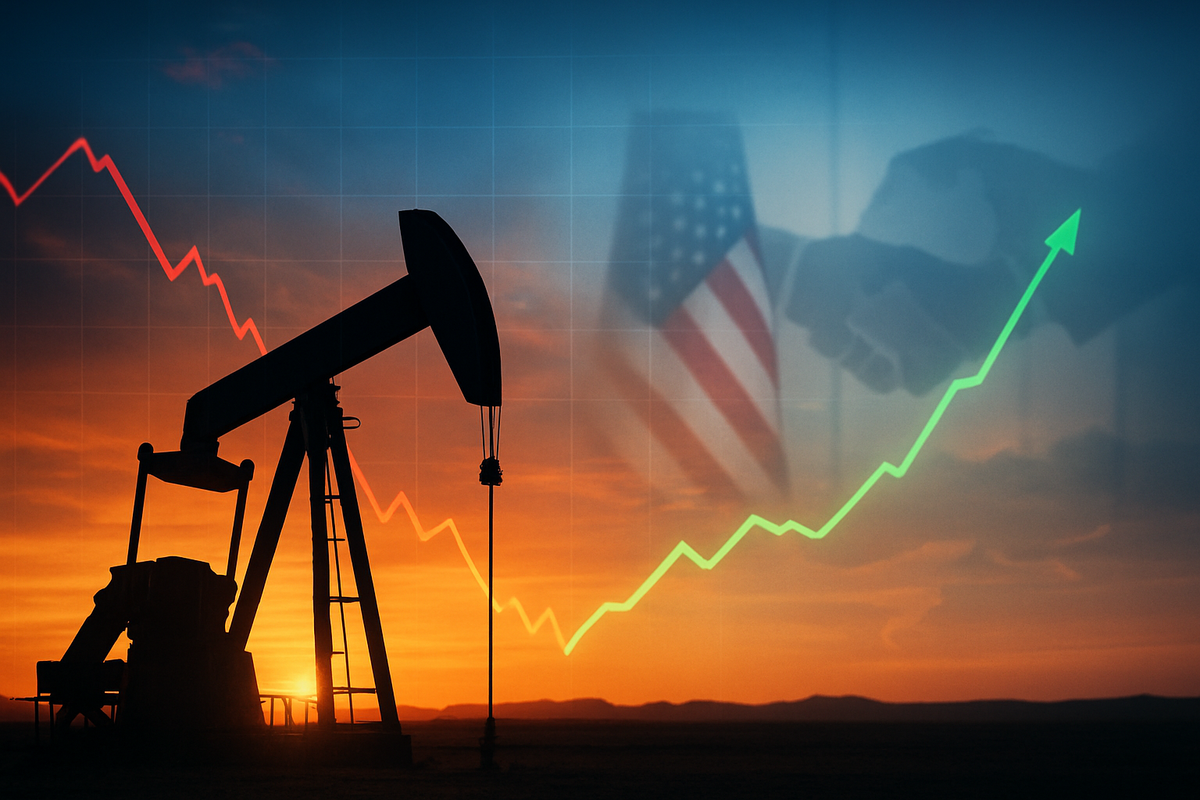
By 09:46 ET (13:46 GMT), Brent crude futures climbed 3.6% to $107.96 per barrel, while U.S. West Texas Intermediate crude futures advanced 3.5% to $101.52 per barrel.
Trump Rejects Iran Peace Response
Market sentiment remained heavily focused on the ongoing Middle East conflict, which has now lasted for more than two months.
President Donald Trump dismissed Iran’s latest response to a U.S.-backed peace proposal, describing it as “totally unacceptable” and “a piece of garbage.” He also warned that the ceasefire had reached its weakest point so far.
The remarks increased concerns that diplomatic efforts could collapse, potentially leading to renewed military escalation in the region.
Iran Demands Sanctions Relief and Strait of Hormuz Control
Iran defended its position by stating that its latest counterproposal was aimed at ending the war, lifting the ongoing U.S. naval blockade and restoring shipping activity through the Strait of Hormuz.
Tehran has also demanded compensation for war-related damages, the removal of international sanctions and formal recognition of its sovereignty over the strategically critical strait.
The Strait of Hormuz remains one of the world’s most important oil transportation routes, handling roughly one-fifth of global oil and fuel shipments.
Fears Grow Over Global Oil Supply Disruptions
A CNN report published late Monday stated that President Trump is seriously considering resuming major military operations against Iran as negotiations continue to stall.
The developments renewed fears that shipping disruptions through the Strait of Hormuz could tighten global oil supplies even further.
Saudi Aramco CEO Amin Nasser warned this week that even if the waterway were reopened immediately, it could still take several months for global oil flows to fully normalize.
Oil prices had briefly retreated last week amid optimism surrounding a possible diplomatic breakthrough between Washington and Tehran, but those hopes have now largely faded.
Markets Await Key U.S. Inflation Data
Investors are also closely monitoring upcoming U.S. inflation figures for further clues on the Federal Reserve’s interest rate outlook.
Recent data showed that U.S. consumer prices increased more than expected in April, driven mainly by elevated gasoline prices despite some cooling in energy inflation.
Analysts continue to assess whether the Iran-related energy shock could fuel broader inflationary pressures across the economy.
The Federal Reserve is widely expected to leave interest rates unchanged for now, especially after strong recent labor market data reduced pressure for immediate policy easing.
Trump-Xi Meeting in Focus
Markets are additionally looking ahead to President Trump’s upcoming meeting with Chinese President Xi Jinping in Beijing later this week.
The discussions are expected to cover several critical issues, including Iran, global trade, artificial intelligence and energy security.
Analysts believe the meeting could play a major role in shaping the direction of the Iran conflict, as China remains Iran’s largest oil buyer and maintains significant diplomatic influence over Tehran.