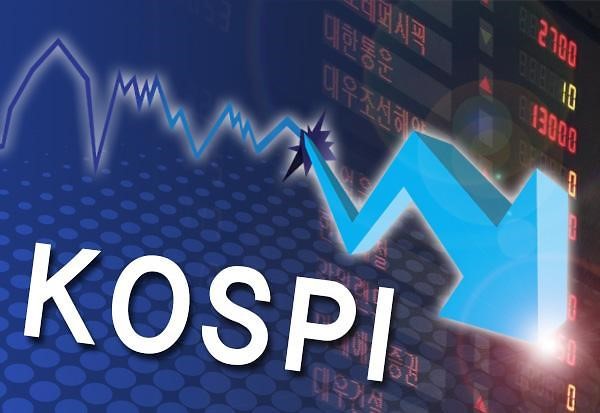
South Korea’s KOSPI suffered a sharp decline on Friday as major semiconductor stocks fell amid growing concerns over high artificial intelligence valuations and rising technology investment.
The export-focused market also came under pressure after the United States announced a new 12.5% tariff affecting South Korea and several other countries.
KOSPI Falls More Than 6%
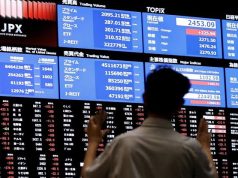
The KOSPI dropped more than 6% during the trading session, reaching an intraday low of 6,650.41 points.
The index later recovered slightly to 6,751.49 after the South Korean government said Washington had agreed to respect an earlier trade agreement. Under that deal, U.S. tariffs on South Korean goods would be capped at 15%.
Despite the partial recovery, the index remained under heavy pressure as investors reduced their exposure to technology and export-related stocks.
Samsung and SK Hynix Lead Chip Stock Decline
Semiconductor companies were the biggest drag on the South Korean stock market.
Shares of SK Hynix and Samsung Electronics fell between 6% and 10%, following a sharp overnight decline in major U.S. technology stocks.
The sell-off came after earnings reports from Alphabet and Tesla renewed concerns about the enormous amounts being invested in artificial intelligence infrastructure.
Alphabet’s AI Spending Raises Investor Concerns
Alphabet attracted particular attention because it is one of Wall Street’s largest investors in AI technology.
The company reported its first-ever quarter of negative free cash flow and increased its capital expenditure forecast for the year.
These figures raised concerns that aggressive AI investment could begin reducing the traditionally strong profit margins of major technology companies.
Investors are also demanding clearer evidence that spending on AI infrastructure can generate sustainable financial returns. So far, the results of these investments have been mixed.
Korean Chipmakers Face Valuation Pressure
South Korean semiconductor companies have benefited significantly from the global AI investment boom.
Samsung Electronics and SK Hynix recorded strong growth during the previous year, supported by rising demand for advanced memory chips used in AI data centers and computing systems.
However, the rapid rise in their valuations has also made both stocks more vulnerable to changes in investor sentiment.
A growing number of leveraged exchange-traded funds connected to the two chipmakers may have added further volatility to the market.
Hyundai Motor Shares Drop After Earnings
Hyundai Motor also contributed to the KOSPI decline, with its shares falling approximately 8%.
The automaker’s second-quarter earnings failed to meet investor expectations, adding further pressure to the stock.
Concerns over higher U.S. tariffs also affected Hyundai. Trade restrictions have already created significant challenges for the company during recent quarters, particularly because of its exposure to the American market.
AI and Tariff Risks Weigh on South Korean Stocks
The market decline highlighted South Korea’s sensitivity to both global technology trends and international trade policy.
Chipmakers remain closely connected to the expansion of AI infrastructure, while exporters such as Hyundai continue to face risks from changing U.S. tariff policies.
Future KOSPI performance may therefore depend on whether technology companies can justify their AI investments and whether South Korea can avoid further trade barriers.