Kevin Warsh Advances Toward Fed Leadership After Senate Vote
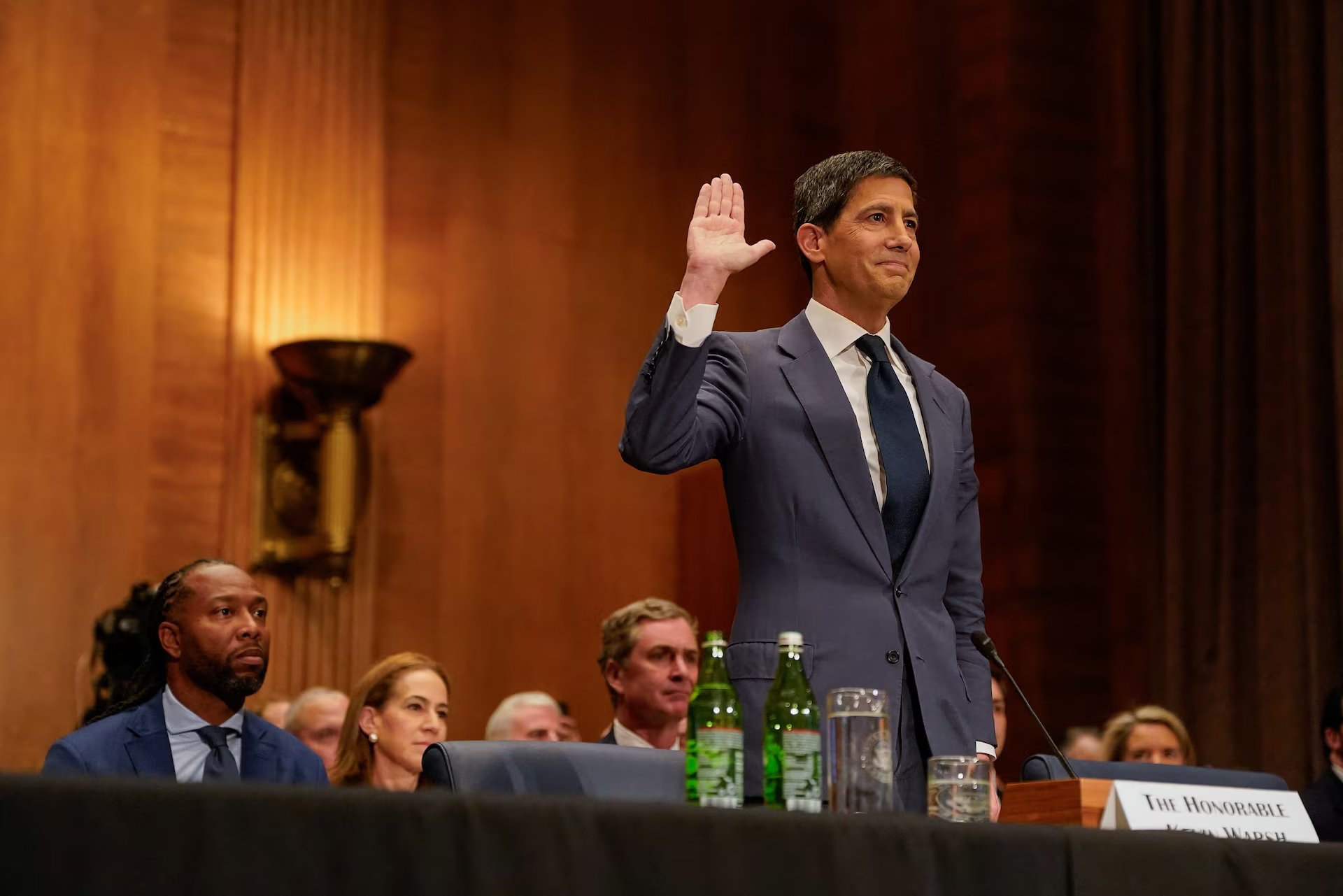
Kevin Warsh, nominated by U.S. President Donald Trump to lead the Federal Reserve, cleared a key procedural step on Wednesday. The move paves the way for him to potentially replace Jerome Powell in the coming weeks, amid heightened efforts by the White House to influence the direction of the central bank.
Senate Banking Committee Advances Nomination
The Senate Banking Committee voted along party lines to move Warsh’s nomination forward to the full Senate, which is currently controlled by Republicans. All 13 Republican members supported the nomination after Senator Thom Tillis withdrew his opposition.
Tillis had previously raised concerns over a Department of Justice investigation into Powell, which he believed could threaten the Fed’s independence. However, following the DOJ’s decision to end the probe, he backed Warsh’s nomination.
Democrats Oppose Warsh Over Fed Independence Concerns
All 11 Democratic members of the committee voted against Warsh. They expressed skepticism over his commitment to maintaining independence from political influence, particularly regarding monetary policy decisions.
Fed Policy Meeting Adds to Market Focus
The vote comes as Powell leads what is expected to be his final policy meeting as Fed Chair. The Federal Open Market Committee is widely expected to keep interest rates unchanged within the 3.50%–3.75% range, citing persistent inflation and continued pressure from global oil market disruptions linked to the Iran conflict.
Senate Confirmation Likely in Coming Weeks
Warsh, a 56-year-old former Fed governor and financier, is widely expected to be confirmed by the full Senate. The earliest vote could take place during the week of May 11, potentially allowing him to assume the role by May 15, when Powell’s term as chair is set to expire.
Uncertainty Over Powell’s Future Role
It remains unclear whether Powell will step down completely or continue serving on the Fed’s Board of Governors, where his term runs through January 2028. Any attempt to remove him could trigger legal challenges, similar to previous disputes involving Fed officials.
Fed chairs traditionally resign when their successors take over. However, Powell has indicated he may remain if he believes it serves the institution’s integrity and the broader economic interest.
Political Tensions Surround Fed Leadership
The leadership transition has unfolded amid broader political tensions. Powell has previously suggested that investigations into his role were politically motivated, while officials such as U.S. Attorney Jeanine Pirro have left open the possibility of revisiting inquiries if warranted.
Meanwhile, Democratic senators Elizabeth Warren and Dick Durbin criticized such statements, warning they could signal potential political pressure on the central bank.
Market and Policy Implications
The advancement of Warsh’s nomination marks a critical moment for U.S. monetary policy. Investors and market participants are closely watching how leadership changes at the Federal Reserve could influence interest rate decisions, inflation control, and overall economic strategy in the months ahead.