German Inflation Rises in April as Energy Prices Surge
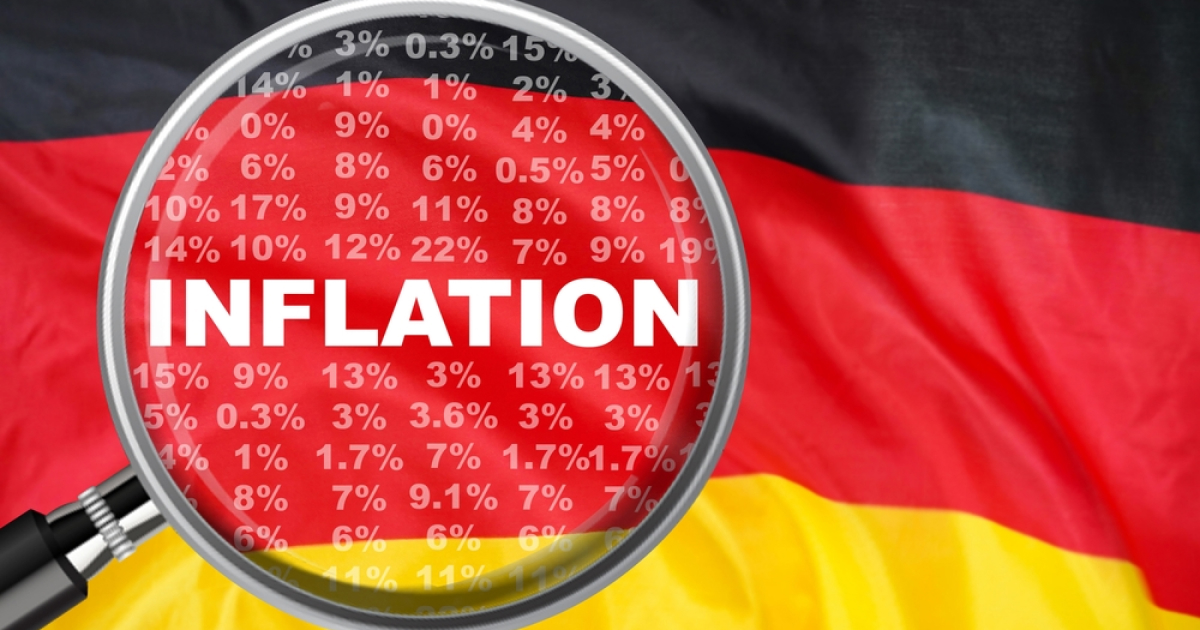
Germany’s inflation rate accelerated in April, driven largely by rising energy costs linked to the ongoing Iran conflict. However, underlying price pressures across the broader economy remain contained, offering some reassurance to policymakers and investors.
Energy Costs Drive Headline Inflation Higher
According to preliminary data from Germany’s national statistics office, EU-harmonised inflation increased to 2.9% year-on-year, up from 2.8% in March. The rise was mainly fueled by a sharp 10.1% annual increase in oil and natural gas prices.
Despite the uptick, the figure came in below analysts’ expectations of 3.1%, suggesting inflationary pressures may not be accelerating as rapidly as feared.
Core Inflation Signals Limited Spillover Effects
Core inflation, which excludes volatile components such as food and energy, eased to 2.3% in April, down from 2.5% in March. This indicates that higher energy costs have not yet significantly spread across the wider economy.
Economists view this as a positive sign, as it suggests companies have not broadly passed rising costs onto consumers, preventing a wider inflationary cycle.
Economists Warn of Potential Delayed Impact
Experts remain cautious about the outlook. Alexander Krueger emphasized that maintaining stable core inflation is crucial in limiting the broader impact of the energy shock.
Similarly, Friedrich Heinemann noted that while second-round effects are currently absent, prolonged disruptions—particularly around key energy routes like the Strait of Hormuz—could eventually push inflation higher across multiple sectors.
Government Adjusts Inflation Outlook
The German government has already factored higher energy prices into its updated forecasts. Officials now expect inflation to reach 2.7% in 2026 and 2.8% in 2027, compared to 2.2% last year.
Eurozone and ECB Policy in Focus
Germany’s inflation data comes ahead of the broader eurozone release, where inflation is expected to climb to 2.9% in April from 2.6% in March. The European Central Bank is widely anticipated to hold interest rates steady in its upcoming meeting, although potential rate hikes could be considered as soon as June.
Business Pricing Power on the Rise
Additional data from the Ifo Institute shows that companies are increasingly passing higher energy costs onto customers. The institute’s price expectations index rose to 31.6 points in April, marking its highest level since January 2023.
Timo Wollmershaeuser highlighted that more businesses are beginning to adjust prices upward, reflecting the ongoing pressure from elevated energy costs.
Outlook Remains Uncertain
While inflation remains relatively contained for now, the trajectory will largely depend on developments in energy markets and geopolitical tensions. A prolonged rise in energy prices could eventually broaden inflationary pressures across the German economy.