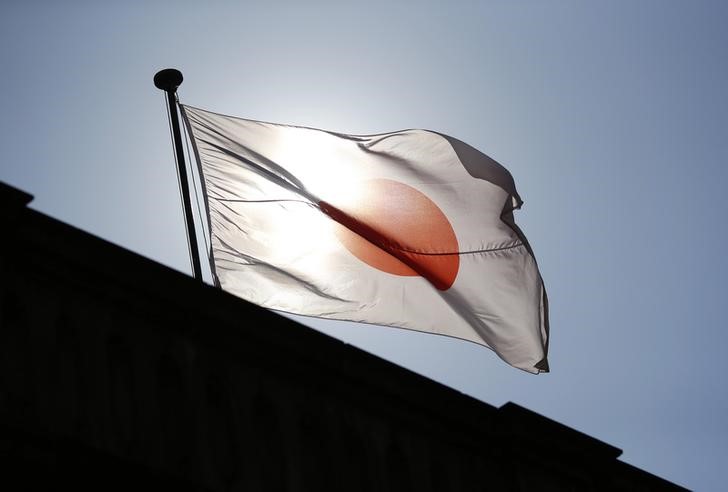
Japan Inflation Picks Up in March
Japan’s consumer price index (CPI) rose more than expected in March, rebounding from a four-year low as higher energy costs pushed prices upward. However, core inflation remained below the Bank of Japan target, highlighting a mixed inflation picture.
According to official government data released on Friday, national CPI increased to 1.5% year-on-year in March, up from 1.3% in February.
Core Inflation Still Below BOJ Target
Core CPI, which excludes fresh food prices, rose to 1.8% from 1.6%, surpassing expectations of 1.7%. Despite the increase, it remained below the Bank of Japan’s 2% annual inflation target for a second consecutive month.
Meanwhile, a broader core measure that excludes both fresh food and energy costs edged down to 2.4% from 2.5% previously. This indicator, closely monitored by the central bank, suggests that underlying inflation pressures remain relatively persistent.
Energy Costs Drive Price Increases
The rise in inflation during March was largely driven by higher fuel and transportation costs. These increases were linked to elevated oil and gas prices, fueled by supply disruptions caused by ongoing tensions in the Middle East.
Government Measures Help Contain Inflation
Despite rising energy costs, the overall impact on consumers was partly offset by continued government intervention. Policies introduced by Sanae Takaichi included subsidies aimed at easing the burden of higher living costs, particularly for fuel and utilities.
Middle East Tensions Add Inflation Risks
The latest inflation data reflects growing pressure from geopolitical developments, with disruptions in Middle Eastern shipping routes expected to have broader economic effects. These risks could continue to influence prices across multiple sectors in the coming months.
BOJ Policy Decision in Focus
The data comes just ahead of a key policy meeting by the Bank of Japan, where interest rates are widely expected to remain unchanged. However, analysts at Capital Economics suggest that the central bank may signal a more hawkish stance, potentially preparing markets for future rate hikes.
They noted that updated forecasts could reflect higher expectations for both headline and core inflation, with a possible rate increase as early as June.
Japan’s Energy Dependence Remains a Key Factor
Japan’s heavy reliance on energy imports from the Middle East continues to make its economy vulnerable to external shocks. In response to rising prices, the government has already tapped into strategic fuel reserves in recent months to help stabilize costs.